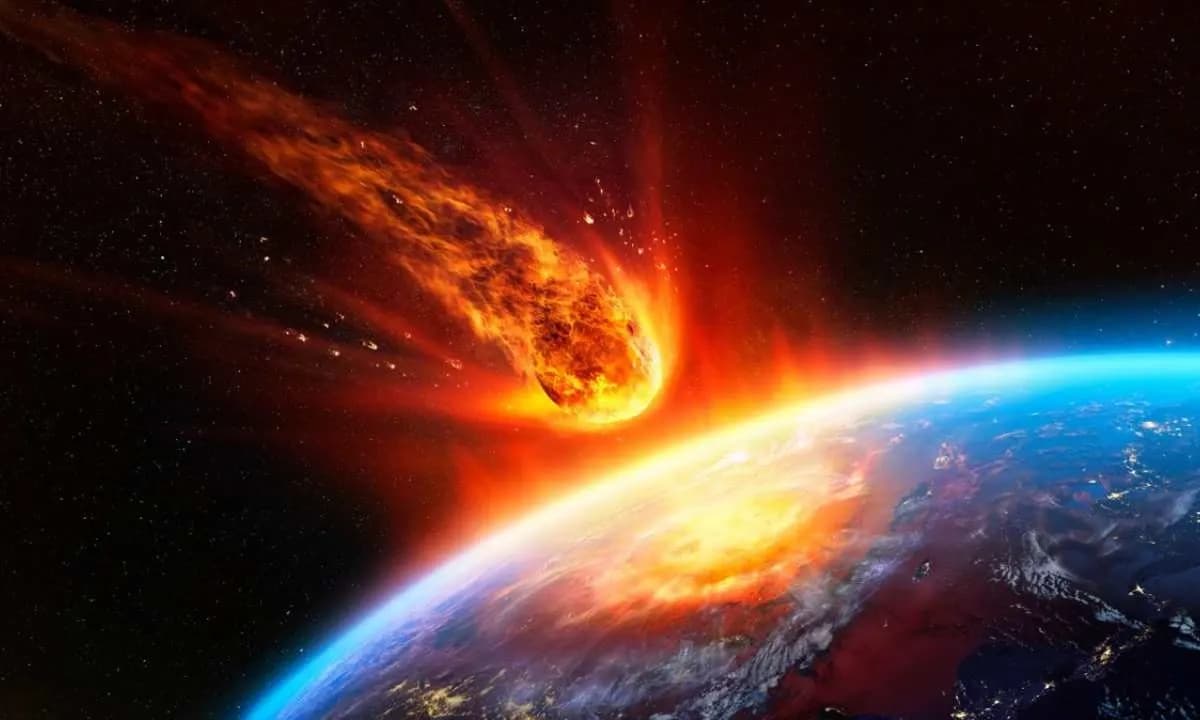
The Taurid meteor shower is an awe-inspiring celestial event that brings with it a chance to observe shooting stars and fireballs streaking across the night sky. Every year, Earth passes through the debris left behind by Comet Encke, the parent comet of the Taurids, which brings about this spectacular meteor shower.
But beyond the dazzling light show, there’s an ongoing mystery: Could these meteor streams contain larger chunks of debris—perhaps even objects as big as buildings or mountains? And if so, could these objects pose a threat to Earth?
Be First to Own the Headline Before the Meteor Shower Peaks
A celestial moment can vanish in minutes, but its story can travel the world. Launch a polished press release now to reach real journalists and ignite momentum while attention is sky-high.
Distribute Your Press Release → Timely coverage for rare events, discoveries, and breaking insights.The Taurid meteor swarm has sparked widespread curiosity and concern among scientists and the general public. Some researchers speculate that if these larger chunks do exist, they could one day collide with Earth, causing catastrophic events.
One of the most intriguing theories suggests that such a collision may have occurred 12,800 years ago, triggering a global flood, firestorms, and a sudden ice age. This event, known as the Younger Dryas impact, could have altered the course of human history by contributing to the mass extinction of large mammals like woolly mammoths and the Clovis people.
As we approach the next encounter with the Taurid meteor swarm in 2032, many are questioning whether such an event could happen again. Should we be worried about the potential threat that the Taurid meteors might pose to our planet? Let’s take a closer look at the science behind this fascinating and somewhat chilling possibility.
The Taurid meteor stream, which Earth passes through twice a year, is linked to Comet Encke, a small but significant comet that crosses Earth’s orbit every 3.3 years. As Comet Encke moves through space, it sheds dust and larger debris, creating the meteor shower that we see.
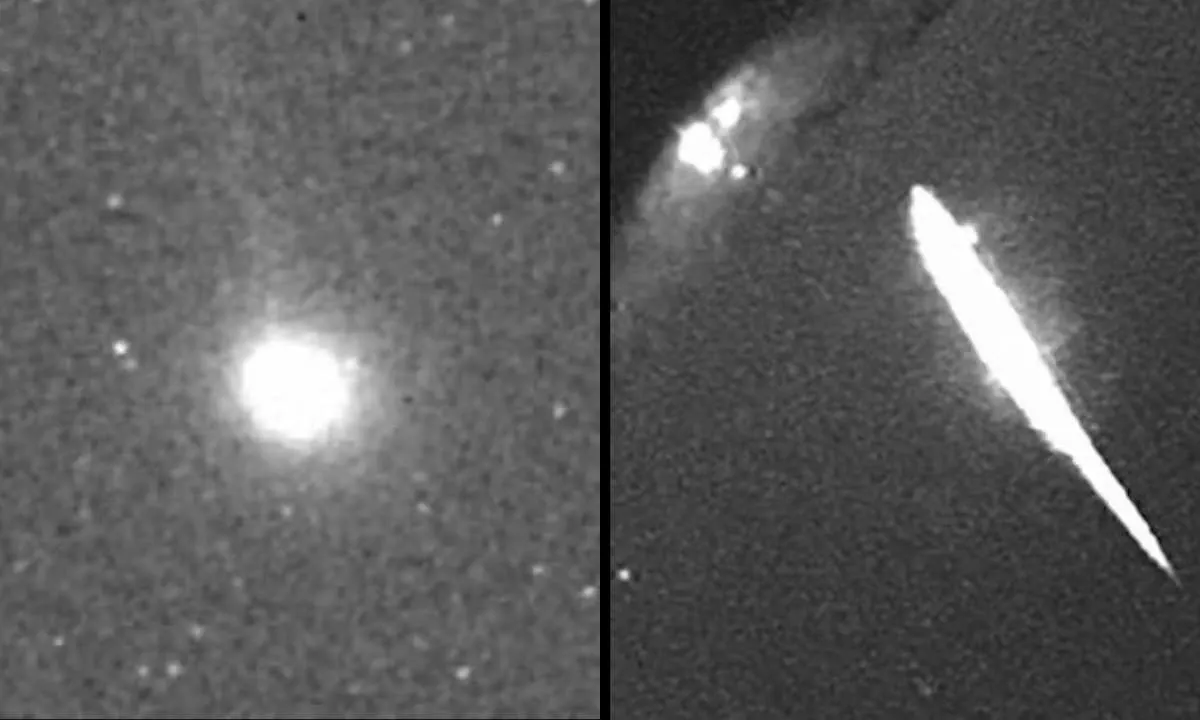
While most of the debris is small and harmless, larger chunks—ranging from pebbles to stones—can sometimes collide with Earth’s atmosphere and produce bright fireballs that explode with force.
But it’s not just these small fragments that have caught the attention of astronomers. Some scientists believe that much larger objects, possibly the size of boulders, could be hidden within the Taurid stream.
This brings us to the theory of the “coherent catastrophism” hypothesis, which suggests that Comet Encke may have once been part of a much larger comet that broke apart in the distant past. If this theory is correct, other large chunks from the original comet might be lurking in the Taurid meteor stream, posing a risk to Earth during future encounters.
While mainstream astronomers are generally skeptical of the most catastrophic predictions of this hypothesis, it has gained a following among some researchers and enthusiasts, especially after the idea was popularized by Graham Hancock’s television series, Ancient Apocalypse.
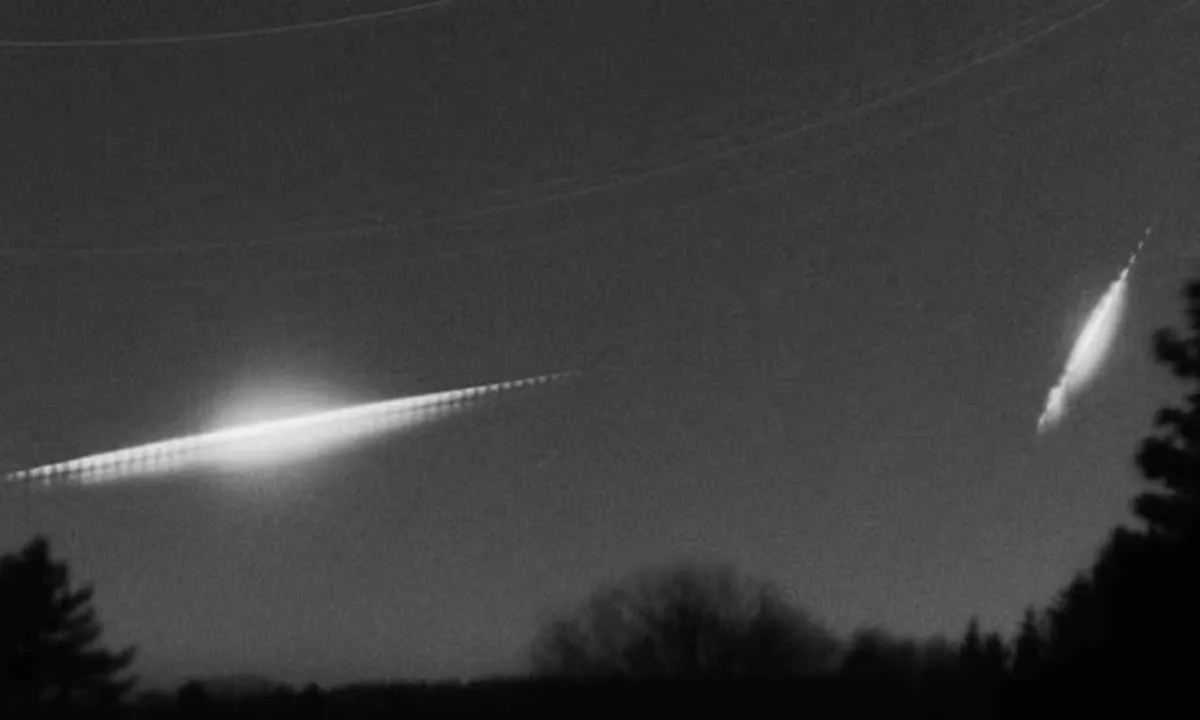
Despite the lack of solid evidence for a doomsday scenario, there are some notable events in history that hint at the possibility of large objects from the Taurid meteor stream hitting Earth. The most famous of these events is the Tunguska explosion of 1908, when an object—possibly a piece of the Taurid meteor stream—exploded over Siberia, flattening millions of trees and releasing an energy equivalent to a large thermonuclear bomb.
The explosion was caused by an object that entered Earth’s atmosphere, vaporized, and exploded before it could reach the ground. The trajectory of the Tunguska event and the damage it caused suggest that it may have been linked to the Taurid meteor stream, and this raises the question: Could larger objects from the same stream strike Earth again in the future?
There’s also evidence that the Taurids have been responsible for other smaller events, including fireballs observed in 1975 and seismic activity recorded by seismometers on the Moon during the same year. While these events didn’t cause widespread damage, they serve as a reminder that the Taurid stream may contain more than just the harmless shooting stars we see each year.
Looking ahead, Earth’s encounter with the Taurid meteor swarm in 2032 and 2036 will bring us closer to the debris stream than we’ve been in decades. Could this mean that larger objects—perhaps even Tunguska-sized—might collide with Earth?
While scientists are still skeptical that a catastrophic event will occur, they are taking the potential risk seriously. By expanding astronomical surveys and monitoring the stream’s trajectory, planetary defenders are working to identify any large objects that could be on a collision course with Earth.
While the fear of a “doomsday” event is understandable, the actual risk remains small. However, it’s essential that we continue to monitor the Taurid meteor stream closely. A Tunguska-sized object, though rare, could still pose a significant threat to cities and human populations. The goal is not to cause panic but to ensure that we are prepared in case a potential collision occurs in the future.
What’s even more fascinating is that ancient civilizations may have been aware of these cosmic dangers long before we were. One of the most intriguing findings comes from Göbekli Tepe, the world’s oldest known temple, located in Turkey.
Some researchers believe that the carvings on the temple’s pillars might not just represent religious symbols but could actually be a record of celestial events, possibly tracking the cycles of comet activity.
One pillar at Göbekli Tepe appears to depict a 27-day Taurid meteor storm, which suggests that these ancient people may have been keen astronomers who understood the dangers posed by cosmic threats. If true, this discovery could mean that our ancestors were warning future generations about the same dangers that we’re now just beginning to understand.
As we prepare for the upcoming Taurid meteor showers in 2032, we’re reminded of the fascinating connection between ancient knowledge and modern science. Whether or not ancient civilizations encoded this warning into their monuments, the Taurid meteor stream serves as a reminder that the skies above us are full of both beauty and danger. While the threat of a catastrophic collision remains uncertain, the knowledge we gain from studying these meteor showers could help us protect ourselves in the future.
Disclosure: We may earn a commission when you make a purchase through the ads.