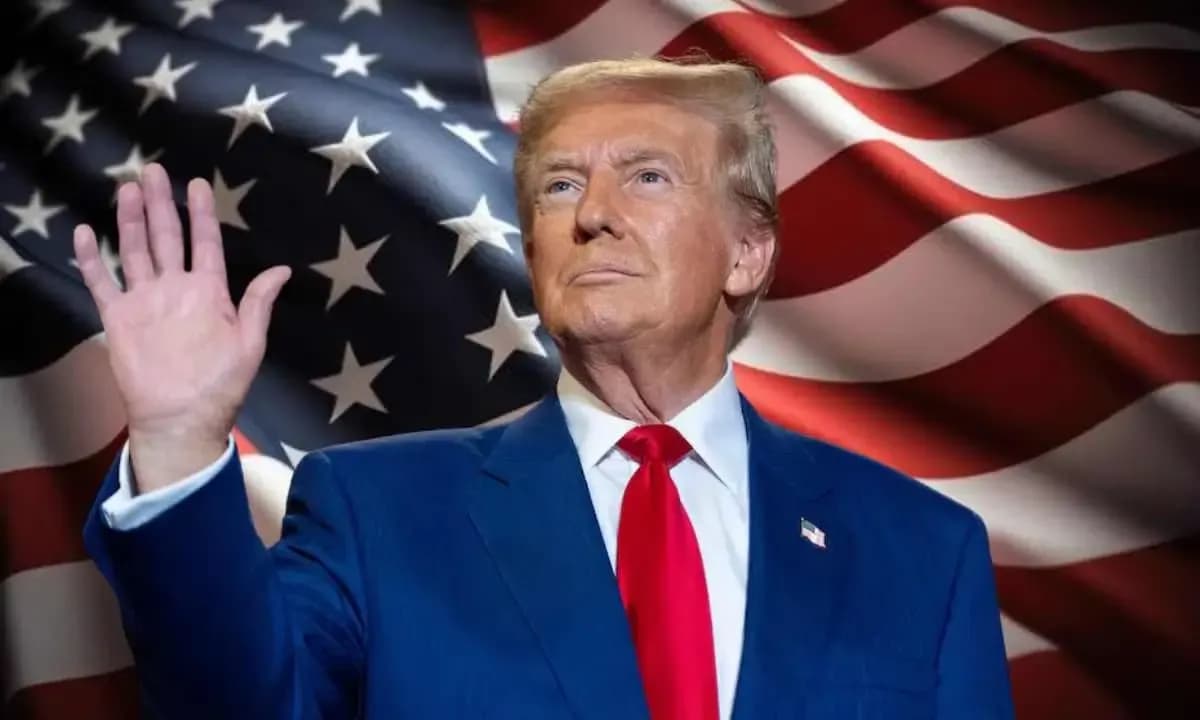
Donald Trump is currently in a unique position in American history. If he secures a second non-consecutive term as President, which is only a few electoral votes away, he will be the first to achieve this in 132 years. This feat was last accomplished by Grover Cleveland. Grover was a Democrat who led the country in two separate terms, from 1885-1889 and 1893-1897. Trump’s potential win isn’t just about securing another term—it would also mark him as the first Republican in two decades to win the popular vote. Let’s have a closer look at the comparison of Cleveland and Trump’s presidential journey.
Grover Cleveland’s Path to Non-Consecutive Terms
Grover Cleveland’s journey to two non-consecutive terms lasted from 1885 to 1889 and again from 1893 to 1897. He was the first and only president to leave the White House and return four years later. Cleveland initially lost his bid for re-election in 1888 to Republican Benjamin Harrison. But he did win the popular vote. In a reversal of fortune, Cleveland won back the presidency in 1892, proving his lasting influence and appeal.
During his time in office, Cleveland made significant reforms. He was firm on not giving in to economic interest groups, vetoing numerous bills, including those offering pensions to Civil War veterans for non-service-related injuries. Cleveland also worked to prevent the railroads from exploiting government-granted land, ultimately forcing them to return 81 million acres. His presidency is remembered for the Interstate Commerce Act. The act initiated federal regulation of railroads, and his strong stance on reducing high protective tariffs. His no-nonsense approach during the economic depression of the 1890s was a bit controversial. However, cemented his reputation as a reformer.
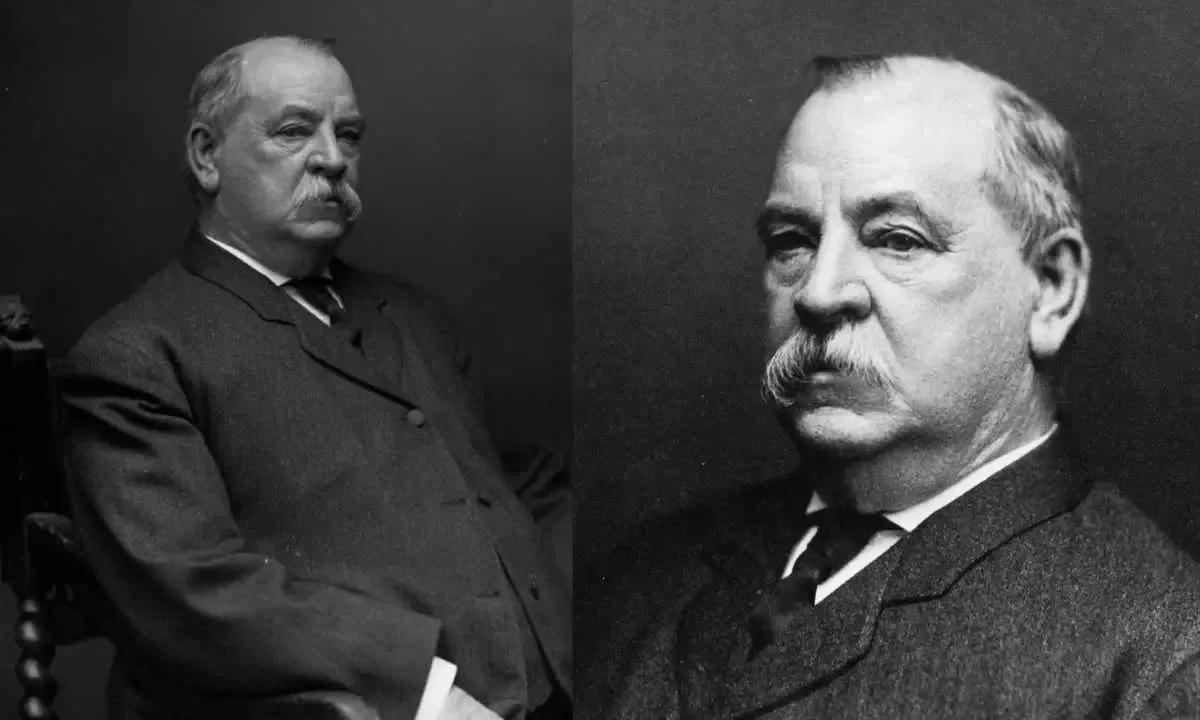
Drawing Parallels: Trump vs. Cleveland
Interestingly, both Cleveland and Trump entered politics as “outsiders” from New York. They both brough a promise to tackle corruption and bring change to Washington, D.C. Neither had previous experience in federal office. Cleveland was a former mayor and governor, while Trump had no political experience prior to his presidency. Both men appealed to voters with their direct approach and untraditional styles. Cleveland approached as a reform-driven Democrat and Trump as a populist Republican.
Cleveland faced formidable opponents, like Secretary of State James G. Blaine and President Harrison, in his battle for the presidency. Trump’s path mirrors Cleveland’s, with high-profile rivals like Hillary Clinton in 2016 and now a potential match-up against Kamala Harris. These opponents bring their own challenges and parallels, from political experience to public perception.
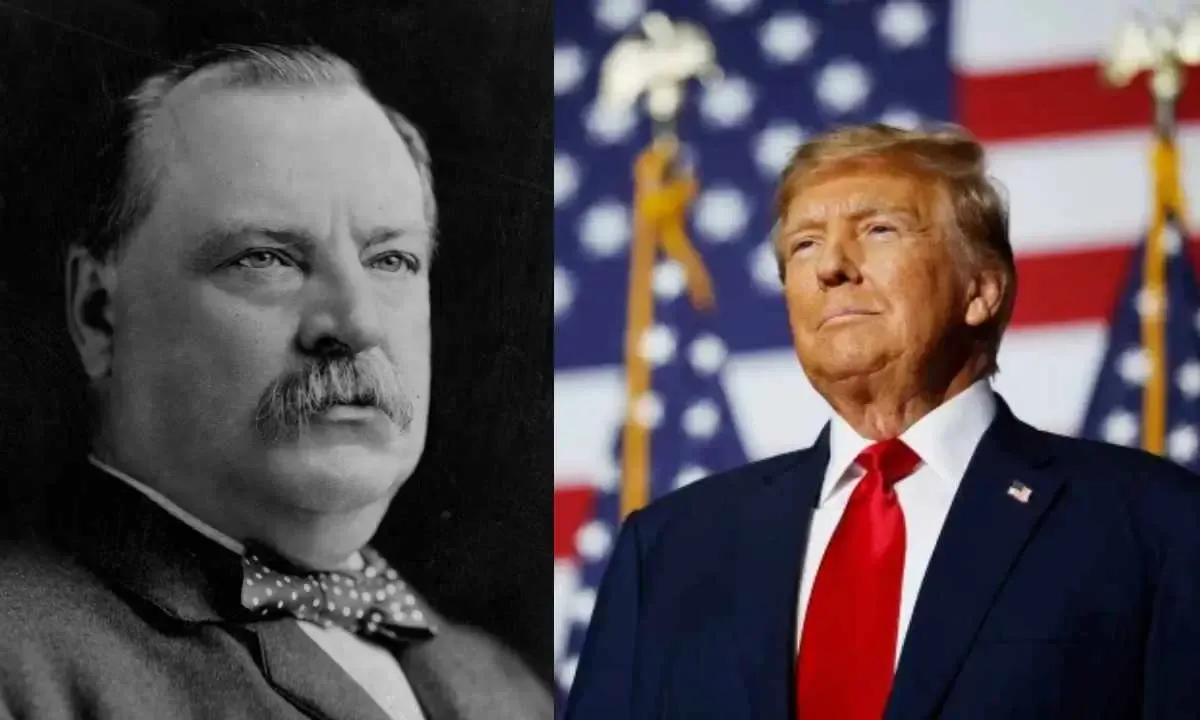
Key Differences in Their Paths to the White House
Despite their similarities, Cleveland and Trump have key differences. Cleveland served as New York’s governor before becoming president, gaining political experience that Trump did not have before entering the White House. Another significant difference lies in their popular vote records. Cleveland consistently won the popular vote, even in his loss to Harrison in 1888. Trump, on the other hand, lost the popular vote in both the 2016 and 2020 elections, creating a split record similar to Harrison’s.
Cleveland’s second term unfolded during a period of economic hardship, shaped by issues like high tariffs and a nationwide depression. Trump’s journey back would likely face a very different set of challenges, shaped by modern-day political polarization and the influence of social media on public opinion.
Non-Consecutive Presidency in Modern America
If Trump were to win another non-consecutive term, it would raise questions about the impact of such a return. With a four-year gap, re-establishing his policies, gaining legislative support, and rebuilding his administration would present challenges. It could also set a new precedent in American politics, where future leaders might be inspired to stage comebacks after defeat, changing how presidential eligibility is viewed.
Public opinion would also play a significant role. Trump’s return might further divide an already polarized nation, testing the limits of political unity in America. For some, it could represent resilience, while for others, it could be a sign of a deepening partisan divide.
Grover Cleveland: Life, Work, and Legacy
Grover Cleveland’s story is rich with dedication and a straightforward approach to leadership. Born in New Jersey in 1837 as one of nine children of a Presbyterian minister, Cleveland grew up in upstate New York. His focus and determination marked his rise in politics. He started as a lawyer in Buffalo, gained local popularity as mayor in 1881, and then became the governor of New York before ascending to the presidency.
Cleveland’s presidency was marked by key decisions. He was known for his dislike of unnecessary government aid, famously vetoing a bill to provide seeds to farmers in drought-stricken Texas, arguing that it would weaken American self-reliance. He also upset the railroads by reclaiming millions of acres of government land and enforced federal law against strikers when railroad workers defied a federal injunction.
Cleveland left the White House with a legacy of direct action and reform. After his presidency, he retired in Princeton, New Jersey, where he passed away in 1908, leaving behind a reputation as a reformer who held firmly to his beliefs.
Conclusion
If Trump succeeds in securing a non-consecutive second term, his name will join Cleveland’s in history books as one of the rare few to make a presidential comeback. This potential achievement would reflect a new era in American politics, where a leader can take a break from office and return to pursue unfinished goals. In many ways, Trump’s potential second term could influence future presidencies, inspiring comebacks, and reshaping expectations for leaders.
Should Trump secure this second, non-consecutive term, it may well echo in history as a testament to the evolving dynamics of American politics and a modern example of political resilience.
Also read,