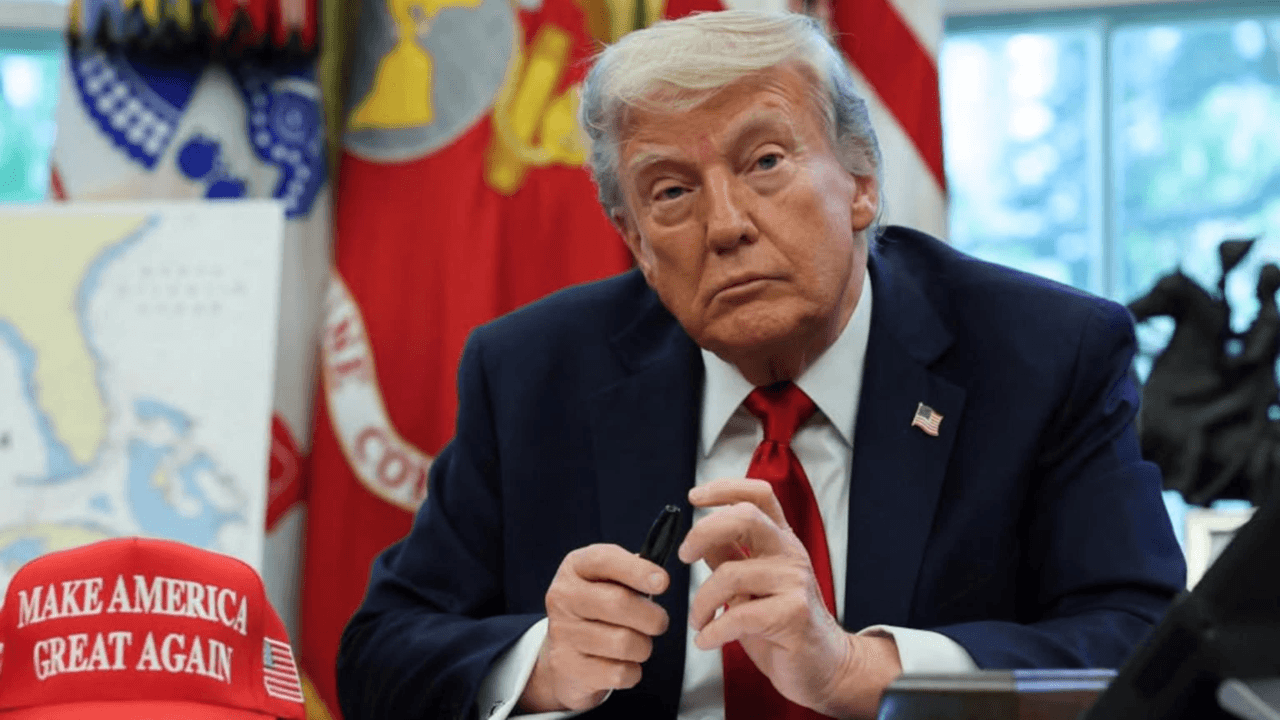
The Anti Weaponization Fund is now frozen as Trump faces court pressure and bipartisan backlash.
The Justice Department said Monday it will follow a federal judge’s order temporarily blocking the Trump administration’s $1.8 billion Anti Weaponization Fund, even as it strongly disagrees with the ruling.
The fund was created to compensate people who say they were targeted or persecuted by the federal government. But it quickly triggered a political storm in Washington over taxpayer money, presidential power, and whether Trump allies or Jan. 6 defendants could benefit.
“The Department of Justice disagrees strongly with the decision on the Anti Weaponization Fund put forth by the United States District Court Judge in the Eastern District of Virginia,” DOJ said in a statement reported by ABC News.
The department added that the fund was open to anyone who claimed they were “weaponized, targeted, or persecuted,” regardless of political identity. DOJ said it would abide by the court’s ruling.
Judge Temporarily Froze the Fund
U.S. District Judge Leonie Brinkema in the Eastern District of Virginia temporarily blocked the administration from implementing the fund last week.
The order bars the Justice Department from making payments while the court considers legal arguments in a lawsuit challenging the fund.
Reuters reported that the judge acted after critics argued the fund could become a political rewards program. The court order is temporary and remains in place while the case continues. Reuters
The Justice Department has not said it will permanently end the fund. Its Monday statement only says it will follow the current court order.
Trump Says He Will Respect the Court
President Donald Trump told ABC News that he will respect the ruling for now.
“We are subject to the courts,” Trump said. “At this moment, that’s what it is.”
Trump also said, “If a court doesn’t allow it, and right now a court has it held up, what can you do?”
The comments came as the White House faced pressure from both parties to drop the fund completely.
Senate Leaders Want the Fund Gone for Good
Senate Majority Leader John Thune and Senate Minority Leader Chuck Schumer both said Monday they want the White House to abandon the fund and promise not to revive it later.
Thune said that would be the “ideal outcome.” He said if the administration clearly shuts the fund down, that should answer the concern for most Republicans.
Schumer has called for stronger action to block the fund before any money goes out. TIME reported that Senate Democrats are preparing amendments and other moves to stop the fund from moving forward. TIME
The backlash is unusual because it includes Democrats and some Republicans. The issue has also complicated Trump’s broader legislative push on Capitol Hill.
Why the Fund Sparked Uproar
The Justice Department announced the $1.776 billion fund last month as part of a settlement tied to Trump’s lawsuit against the IRS over leaked tax records.
DOJ said Trump and related plaintiffs would receive a formal apology but no personal monetary damages. The department’s announcement described the fund as a way to compensate people who believe they were unfairly targeted by federal power. U.S. Department of Justice
Critics said the structure raised serious concerns. They argued it could allow taxpayer money to go to Trump allies, political supporters, or people involved in the Jan. 6 attack on the Capitol.
Supporters said the fund was meant to help people harmed by political targeting. Acting Attorney General Todd Blanche said anyone in the country could apply if they believed they were a victim of weaponization.
Questions Remain Over Who Could Get Paid
One major concern is transparency. Critics want to know who would review claims, who would receive money, and what standards would be used.
Reuters reported that the fund was supposed to be run by a five member commission. But before the court order, DOJ had not named the commissioners or moved money into the fund. Reuters
That lack of detail has fueled claims that the fund could become a political slush fund. The administration rejects that framing and says the fund was designed for people across the political spectrum.
The court case now puts those questions before a federal judge.
A Political Problem for Trump
The fund has become a problem at a sensitive time for Trump. His administration is trying to move other priorities through Congress, and Republican leaders do not want the controversy to slow that agenda.
ABC News reported that the administration has been reconsidering whether to move forward because the fund caused chaos on Capitol Hill.
Reuters also reported that Trump plans to drop the fund, citing Axios, though DOJ’s public statement did not say the plan is permanently dead. Reuters
That leaves the fund in a strange position. It is legally frozen, politically toxic, and publicly unresolved.
What Happens Next
The Justice Department must follow the court’s order while the lawsuit continues. The administration could still defend the fund in court, revise it, or abandon it completely.
Lawmakers are also preparing their own moves. Democrats want to block the fund through legislation, while some Republicans want clear proof that the White House will not bring it back.
For now, no payments can be made from the fund. The judge’s temporary pause has stopped the program before any money goes out.
The bigger fight is not over. At stake is whether a president can create a federal compensation fund tied to claims of political persecution, and whether taxpayers should pay for it.
Until the White House gives a final answer, the Anti Weaponization Fund remains frozen, controversial, and central to one of the sharpest legal fights of Trump’s second term.