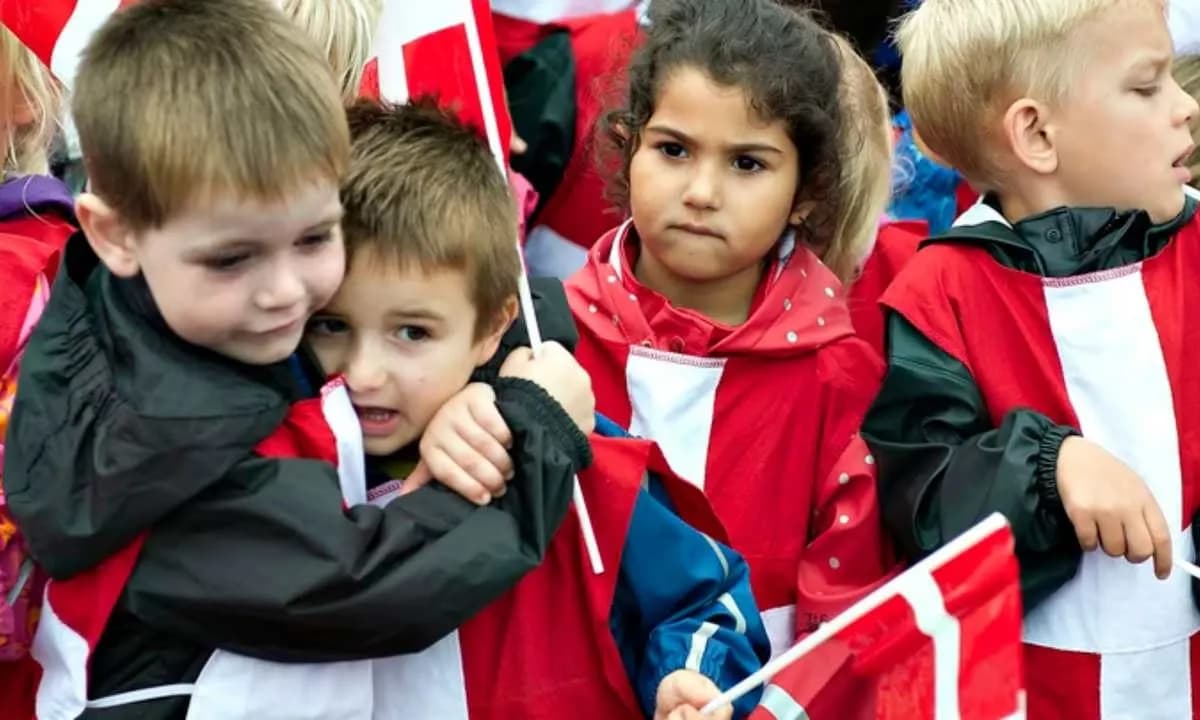
Denmark is often called one of the happiest countries in the world. In fact, the United Nations’ World Happiness Report has placed Denmark in the top three happiest countries globally for seven years straight. Many people point to wealth, healthcare, or safety as the reasons. But the Danes highlight something more unusual: they’ve been teaching empathy in schools as a required subject since 1993.
Every child between the ages of 6 and 16 spends one hour each week in a class called Klassens tid, which simply means “class time.” But this isn’t about math drills or English lessons. Instead, it’s an hour dedicated to listening, sharing, and solving problems together.
Teachers and students sit down to talk through issues, whether it’s bullying, being left out, or even problems at home. The class works as a group to find solutions built on respect and understanding.
The session isn’t just for conflict. If no pressing problems come up, children spend the time enjoying what the Danes call hygge. Hygge is a word that doesn’t translate perfectly, but it means creating warmth, comfort, and closeness. In a country where winters are long, gray, and dark, hygge is about bringing light and friendship into the classroom.
Sometimes this even involves baking a cake together and eating it while talking. The point is to slow down, connect, and share a safe space. Today, hygge has grown into a global phenomenon, with more than 900 books sold on Amazon about it and over 3 million Instagram posts tagged #hygge.
Researchers and educators say these empathy classes matter. A University of Michigan study once found that college students today show 40% less empathy than those in the 1980s and 1990s. Experts believe this decline is linked to a rise in narcissism and worsening mental health.
Denmark has chosen the opposite path—building empathy into its national curriculum. According to psychologist and author Iben Sandahl, being recognized and listened to in these classes makes children feel like they truly “become someone.”
American writer Jessica Alexander, co-author of The Danish Way of Parenting with Sandahl, studied how Denmark teaches empathy. She found that teamwork is at the heart of their education. About 60% of schoolwork is done collaboratively.
Students are taught not to compete with each other but to help classmates who may struggle. Danish schools don’t hand out trophies or awards to top students in academics or sports. Instead, children are encouraged to compete only with themselves, focusing on improving their own abilities rather than beating others.
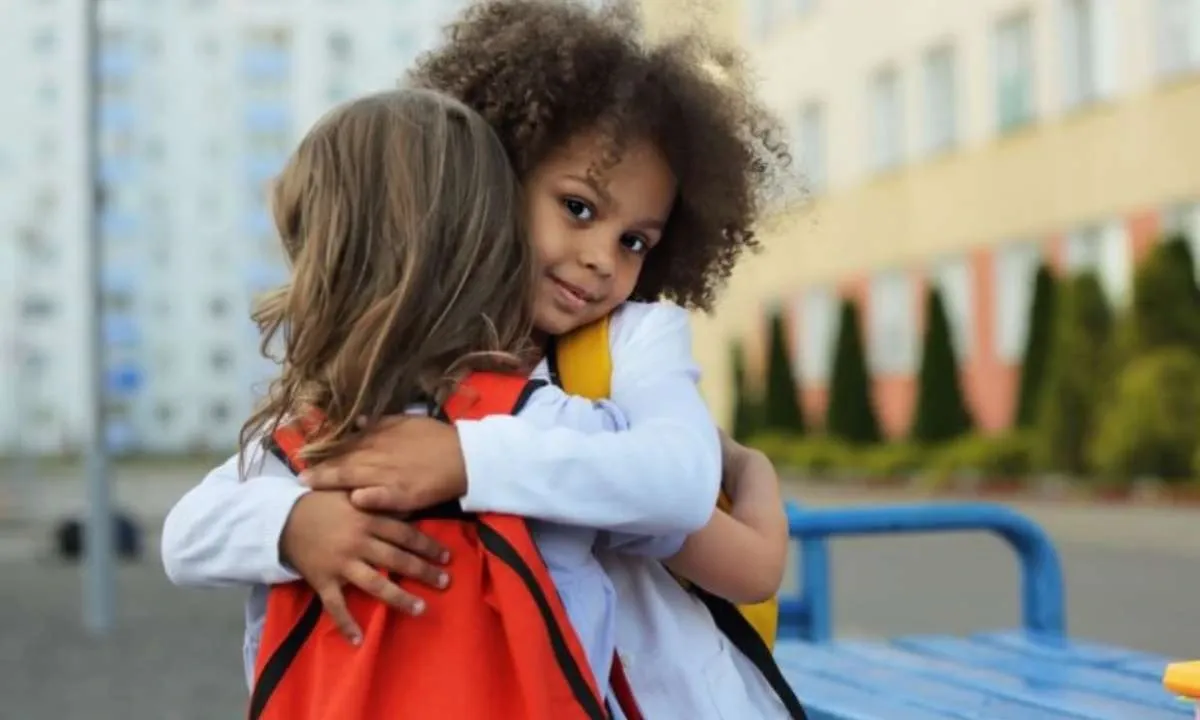
Play also has a central role. Free play has been seen as an educational tool in Denmark since 1871. Children learn empathy, negotiation, and compromise when they play without strict rules or adult direction. Collaborative learning is another method, where children with different strengths and weaknesses work together on projects. This helps them realize early on that no one can succeed alone. A student who is good at math may help a classmate with equations, but that same student will later need help in reading or writing. Teaching children to rely on each other creates a culture where helping others is part of success.
There’s also a hidden bonus: when a student explains something to another classmate, they actually understand the subject better themselves. At the same time, they learn to see through the other person’s perspective, which naturally builds empathy. As Alexander explains, you have to put yourself in someone else’s shoes to explain an idea clearly, and that act strengthens empathy skills.
For Danish children, empathy class isn’t a boring lecture—it’s something they look forward to. Many students say it’s one of the most enjoyable times of the week. Teachers describe it as the highlight of their schedules. And as children grow older, these lessons stay with them.
Empathic teenagers tend to be more goal-oriented and more successful compared to their narcissistic peers. These skills later show up in workplaces, where Danish companies are often described as some of the best in Europe for collaboration and teamwork.
Empathy in Denmark isn’t treated as a soft extra—it’s given the same importance as math or English. The belief is that academic knowledge alone isn’t enough to prepare children for life. They also need emotional tools to build strong relationships, prevent bullying, and become confident, happy adults. For many Danes, the results are clear: teaching empathy early is one of the foundations of their well-being and one reason why Denmark continues to be among the happiest countries in the world.