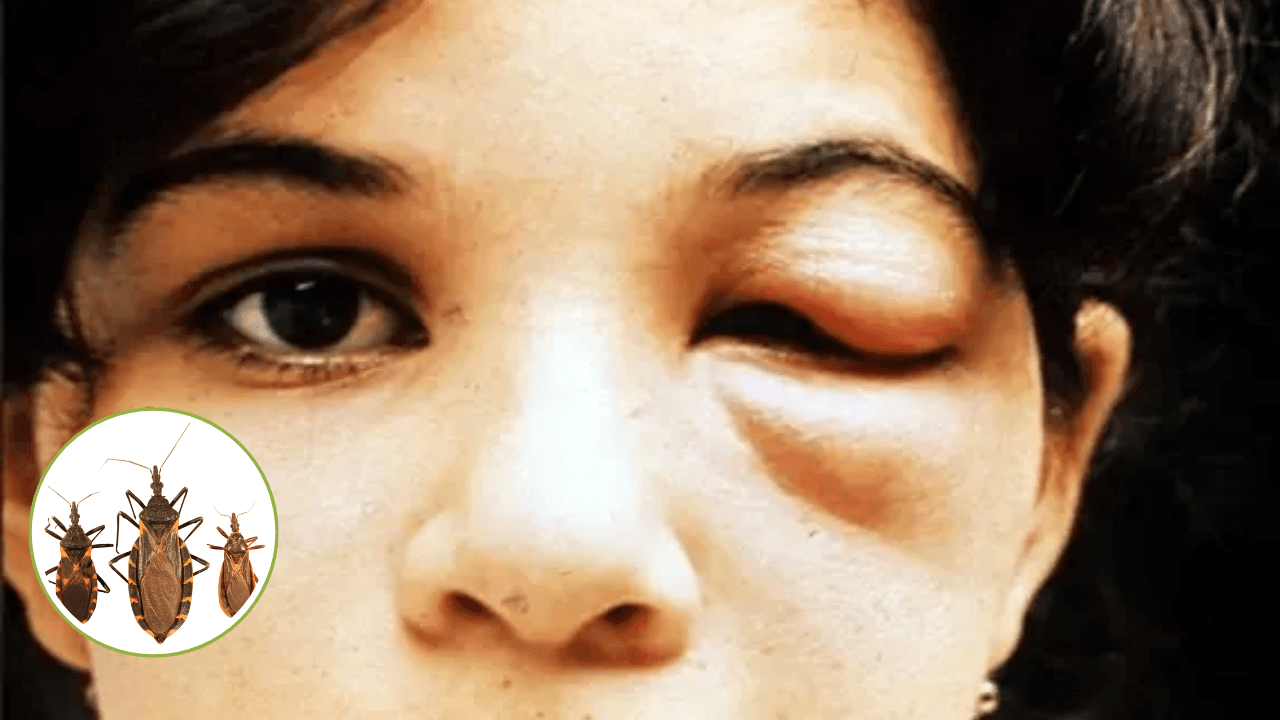
A kiss might steal your heart, but this one could stop it. Health experts are warning that a deadly parasite spread by so-called kissing bugs has now been detected in 32 U.S. states.
What Are Kissing Bugs?
Kissing bugs, also known as triatomines, are small black-and-brown insects that feed on the blood of people, pets, and wild animals. According to Texas A&M’s Kissing Bugs program, they earned their nickname because they often bite around the mouth and eyes while people sleep.
Protect Your Family From Silent Parasites
Scientists say the “kissing bug” parasite is now in 32 U.S. states. Don’t wait for symptoms—take control with fast, confidential testing you can trust.
Get Tested Today Learn more in our report: Deadly Kissing Bug Parasite Now Found in 32 U.S. StatesWhile these insects are common in Mexico, Central America, and South America, where they are considered endemic, they are now firmly established in the U.S. Eleven species have been identified across the country, with Texas, New Mexico, and Arizona reporting the highest diversity and number of cases.
The Danger of Chagas Disease
The real threat comes from a parasite called Trypanosoma cruzi, which lives in the guts of more than half of U.S. kissing bugs. The parasite can infect people through insect feces left near bite wounds. It may also spread through organ donations, blood transfusions, or from mothers to babies during pregnancy, according to the World Health Organization.
Worldwide, more than 7 million people carry Chagas disease, with over 10,000 dying annually. In the U.S., the American Heart Association estimates that around 300,000 people are living with the disease, most of them undiagnosed. While most cases are concentrated in the South, the bugs are moving steadily north.

Symptoms Often Go Unnoticed
Chagas disease has two stages. The acute stage begins weeks or months after infection, often without symptoms. When present, symptoms can include fever, fatigue, body aches, rash, vomiting, and eyelid swelling, according to the Centers for Disease Control and Prevention (CDC).
The chronic stage can last a lifetime. One to three decades later, up to one-third of infected people may develop serious heart conditions such as arrhythmias, heart failure, or sudden death. Others suffer from digestive problems, including enlarged esophagus or colon.
Treatment Challenges
Drugs like benznidazole and nifurtimox can kill the parasite during the acute phase, but once the disease becomes chronic, it cannot be cured. Treatment then focuses on managing symptoms, sometimes requiring surgery, pacemakers, or even organ transplants.
“The disease is definitely underdiagnosed,” cardiologist Salvador Hernandez told NewsNation. “If we screened for it and caught it early, most patients could be cured. The problem is, we don’t, and people end up dying or requiring terrifically expensive care.”
Calls to Declare Chagas Endemic
At least eight Americans have already contracted Chagas disease through local transmission. Researchers, including epidemiologist Norman Beatty, say it is time for both the CDC and WHO to officially declare the illness endemic in the United States. Beatty told the Los Angeles Times, “This is a disease that has been neglected and has been impacting Latin Americans for many decades. But it’s also here in the United States.”
Health experts warn that without stronger surveillance, testing, and education, the kissing bug parasite could quietly threaten more communities across the nation.
Disclosure: We may earn a commission when you make a purchase through the ads.