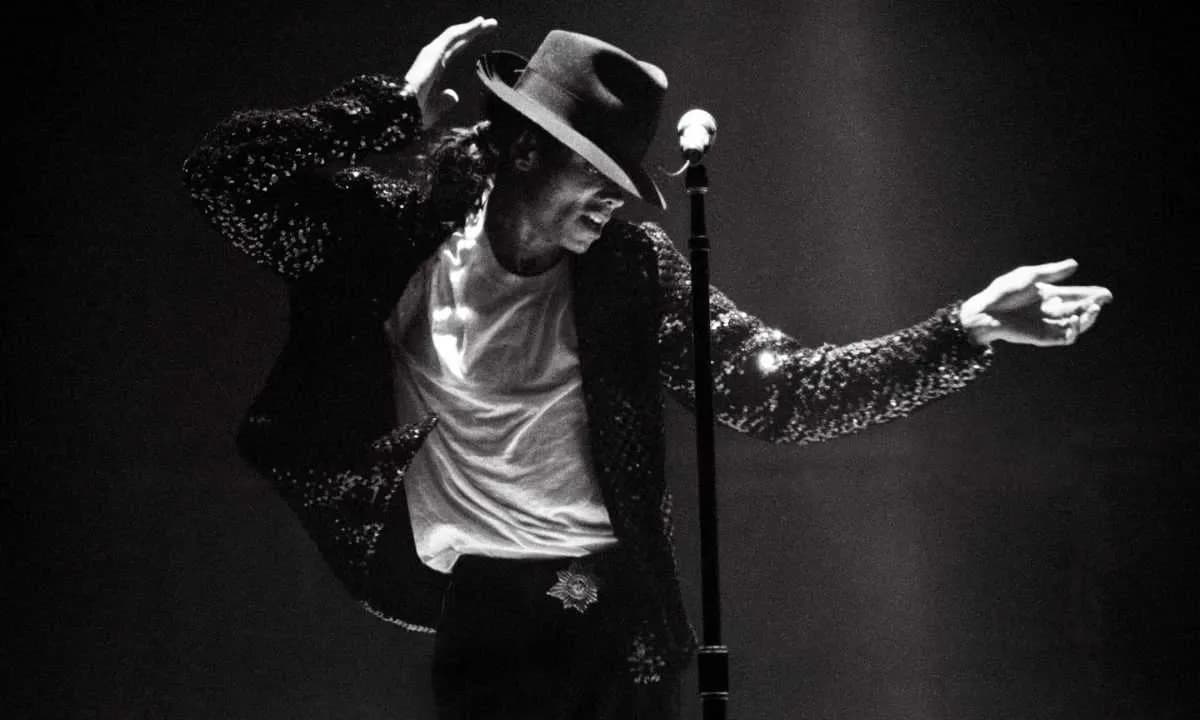
Los Angeles, June 25, 2009 — a day that started like any other turned into a collective moment of shock and sorrow. Michael Jackson, the King of Pop, had passed away from acute propofol intoxication, a shock that reverberated across the globe. Fans from all walks of life mourned the loss of an icon who had shaped the landscape of music, art, and culture.
From his early days with The Jackson 5 to his groundbreaking solo career, Michael’s journey was nothing short of extraordinary. With hits like ‘I Want You Back’ and ‘Thriller,’ he captured hearts and broke records. His album ‘Thriller’ remains the best-selling album of all time, a testament to his unparalleled talent. More than just a musician, Michael was a visionary who used his platform to address social issues, showing that music could be a force for change.
However, the news of his death was not just about the end of a career; it was a moment that made millions reflect on the weight of his influence on their lives. ‘Michael wasn’t just an artist; he was a soundtrack to our memories,’ one grieving fan expressed.
The public reactions poured in from celebrities, fans, and even those who had never heard a Jackson song but felt the cultural impact of his legacy. From elaborate tributes in major cities to social media tributes from fans worldwide, the outpouring of emotion was unprecedented.
What made the day even more surreal was the fact that just days prior, Jackson was preparing for his highly anticipated ‘This Is It’ concert series—a comeback that fans were desperate to see. His death transformed that promise into mourning, leaving a void in an industry that thrived on his innovations. He redefined music videos, with iconic visuals in ‘Thriller’ and ‘Beat It’ that set the standards for generations.
But what many don’t realize is how he also paved the way for other artists, breaking racial barriers and merging various music genres. His influence can be seen in artists like Beyoncé, Justin Timberlake, and many more who cite him as an inspiration. As time marches on, his music continues to sell. Posthumously, albums like ‘Xscape’ and ‘Michael’ feature unreleased tracks, introducing his artistry to new listeners.
The response to his passing also sparked discussions on mental health, fame, and personal struggles. Jackson was a complex figure, often at odds with the very fame he had cultivated. Among the tributes were calls for compassion and understanding toward those who live under the public eye, making us question, at what cost does our admiration come?
As we reflect on the years since his passing, it’s clear that Michael Jackson’s contribution transcends music. He transformed pop culture, broke records, and reached billions with his songs and messages. Today, as his followers remember him, they share memories, tributes, and his incredible achievements—13 Grammy Awards, two inductions into the Rock and Roll Hall of Fame, and a legacy that inspires countless artists.
Many fans still gather on the anniversary of his death, lighting candles and playing his music in various locations worldwide. The community continues to honor the man who brought rhythm and soul to the world, reminding new generations of his timeless power.
As we look back, one can’t help but reflect: What does it mean to leave a legacy? In the case of Michael Jackson, it means forever changing the heartbeat of music and culture—an eternal rhythm that still plays on.
So, as June 25 approaches again, how will you remember the King of Pop? Will you celebrate his music, reflect on his struggles, or simply remember a man who, despite his flaws, gave the world unforgettable moments? His legacy is yours to honor, and its impact stays alive in our hearts and playlists.