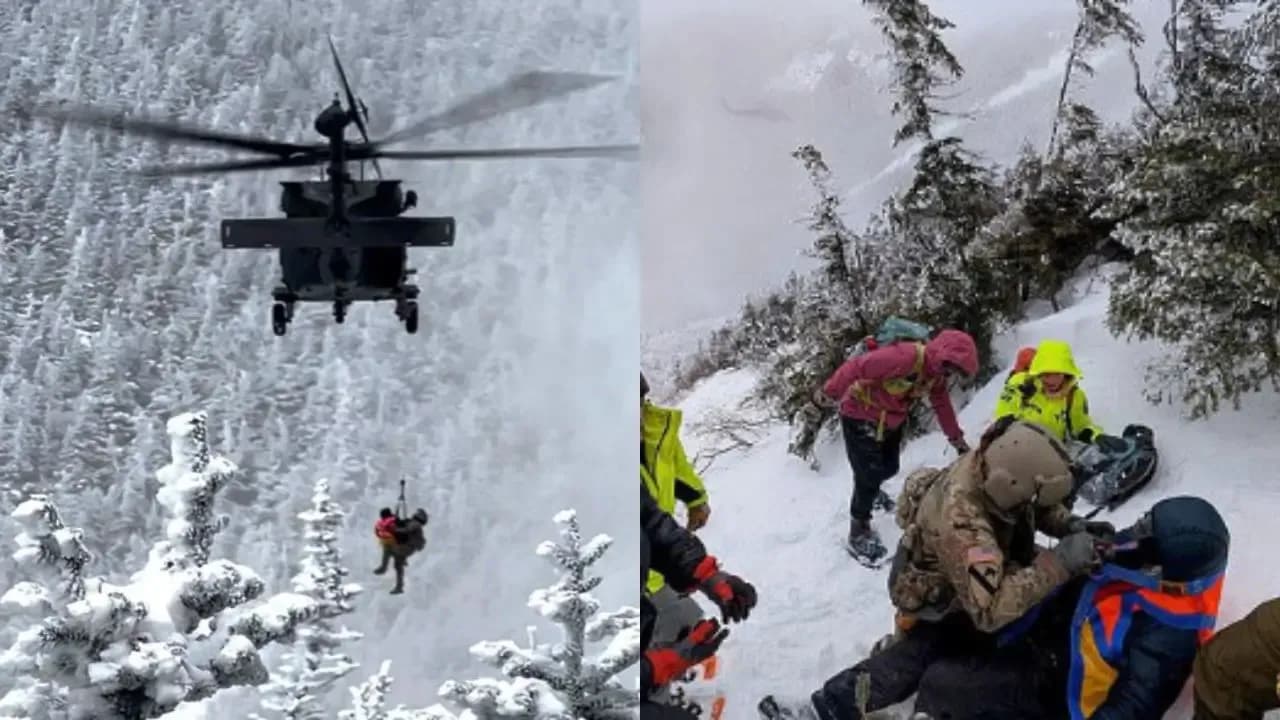
A solo hiker’s attempt to witness the sunrise atop New Hampshire’s Franconia Ridge turned into a life-threatening ordeal, culminating in a dramatic rescue by ground and aerial emergency teams. The incident which unfolded on December 19, 2024 underscores the risks of winter hiking and highlights the resilience of search and rescue efforts in the harshest conditions.
A Hike Turned Tragic
Patrick Bittman, a 28-year-old hiker from Portland, Maine, set off on his solo trek on Wednesday night, aiming to witness the sunrise from the 5,249-foot summit of Mount Lafayette. As he neared Little Haystack Mountain at 4,760 feet, he encountered a formidable wall of wind and snow, rendering conditions nearly impossible to navigate. Despite his determination, the worsening weather forced him to stop, leaving him stranded and exposed to freezing temperatures and waist-deep snow.
Temperatures plummeted to 20°F, with wind chills nearing zero. Unrelenting snow drifts and inadequate protection from the elements left Bittman immobilized. By Thursday morning, buried in several feet of snow and unable to move his limbs, he summoned the last of his strength to call 911, triggering a large-scale rescue effort.
The Critical Call for Help
Responders from New Hampshire Fish and Game, the Pemigewasset Valley Search and Rescue Team, and the New Hampshire Army National Guard mobilized immediately. Using Bittman’s phone signal, they pinpointed his location near the summit of Little Haystack Mountain. Ground rescuers faced grueling terrain and near-zero visibility, while an Army National Guard Black Hawk helicopter was dispatched to assist. However, heavy cloud cover and intermittent snow squalls initially prevented the helicopter from reaching the stranded hiker.

Image Source : Facebook
The helicopter landed at Cannon Mountain Ski Area, waiting for a break in the weather. Meanwhile, ground teams battled dense vegetation and deep snow, trekking over 1,000 feet of rugged wilderness to locate Bittman. By early afternoon, they found him barely conscious, suffering from severe hypothermia, and unable to move.
A Massive Rescue Operation
After two tense hours, a brief weather window allowed the helicopter to make its approach. Sgt. 1st Class Ethan Major, a flight medic, was lowered into the icy terrain. He assessed Bittman’s condition and prepared him for airlift. The dramatic rescue was caught on camera, showing Bittman being hoisted into the helicopter and transported to a nearby hospital for treatment.
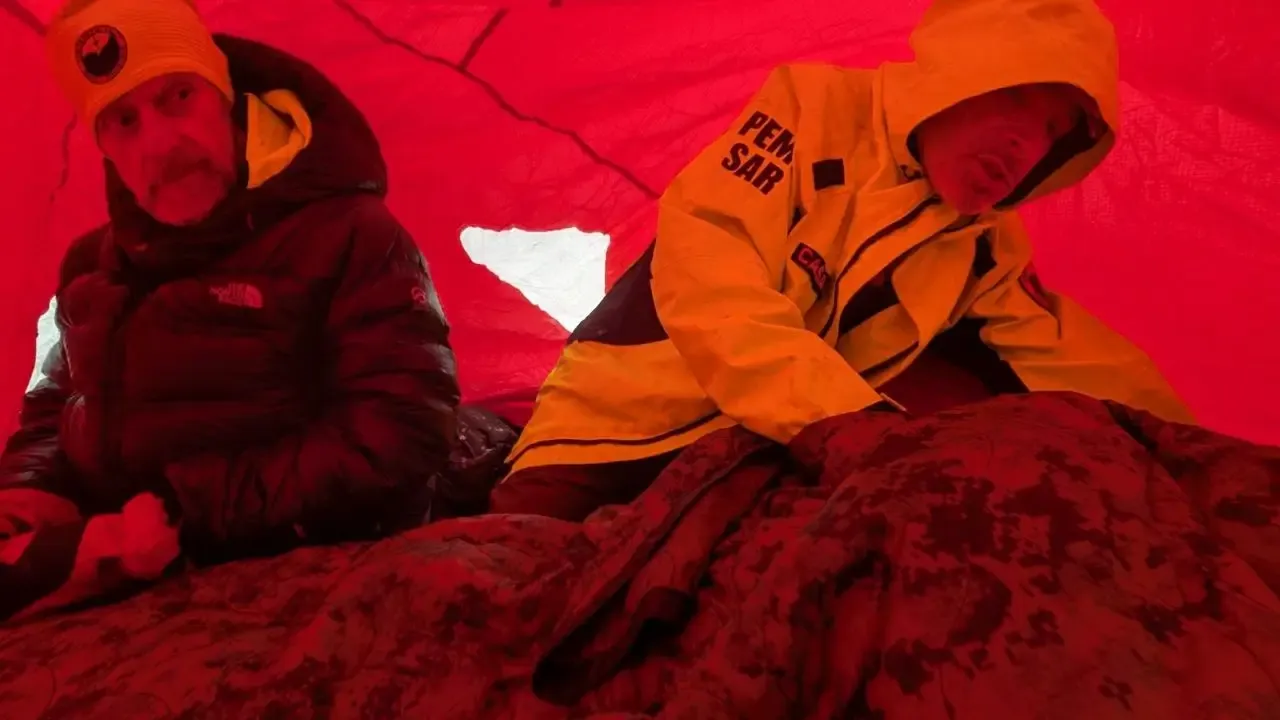
Image Source : New Hampshire National Guard
Ground rescuers had also stabilized Bittman, using an emergency sleeping bag, warm clothing, and hot fluids to prevent further hypothermia before the helicopter’s arrival. The coordinated efforts of the ground and aerial teams likely saved Bittman’s life.
Surviving Hypothermia
Bittman’s ordeal underscores the dangers of hypothermia, a condition where the body loses heat faster than it can produce it, impairing motor skills and decision-making. His ability to call for help despite severe conditions likely saved his life. Officials advise hikers to avoid solo treks in extreme conditions, carry appropriate winter gear, and monitor weather forecasts closely to prevent similar incidents.
Conclusion
Bittman’s ordeal serves as a stark reminder of the unpredictable dangers of winter hiking. While his determination to call for help likely saved his life, the heroic efforts of the rescue teams showcased the resilience and expertise required to overcome nature’s harshest challenges.