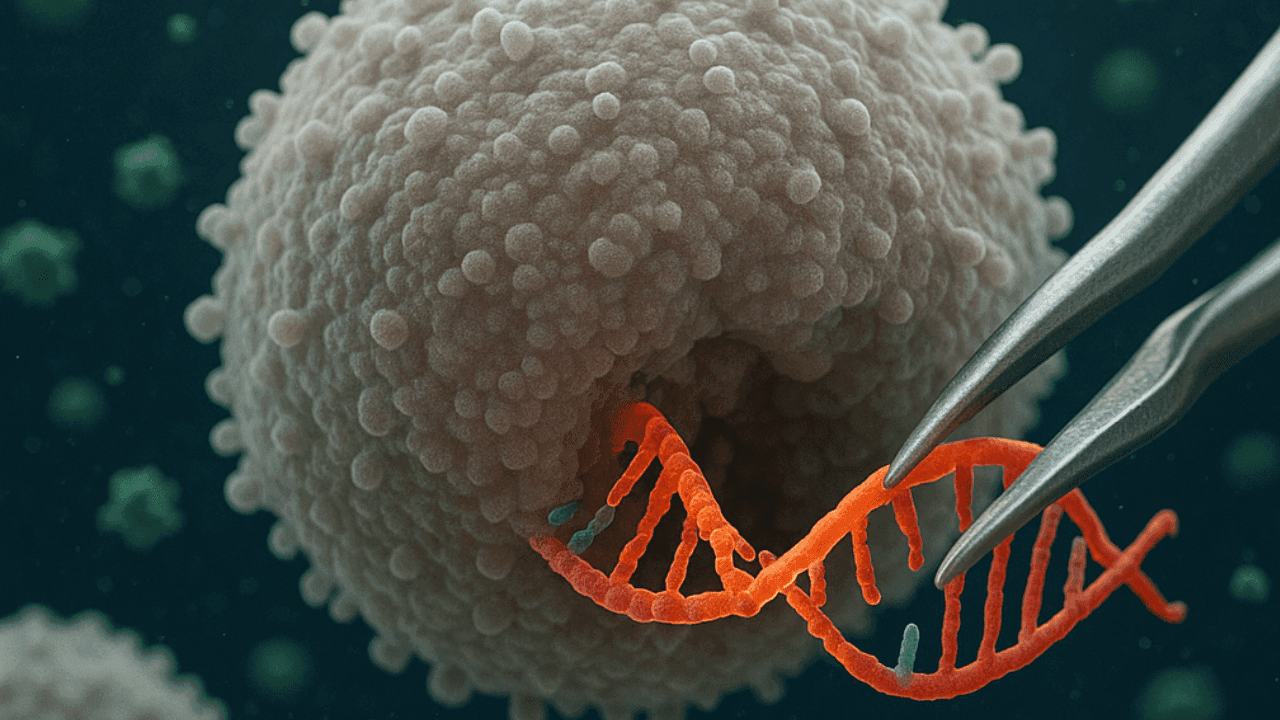
In a major scientific milestone, researchers at the University of Amsterdam have used CRISPR gene-editing technology to successfully remove HIV from infected human cells in lab experiments. The study, which will be presented at ECCMID 2024, demonstrates “proof of concept” that HIV’s genetic code can be precisely cut out of immune cells, offering a glimpse at what might one day be a cure.
CRISPR works like molecular scissors, enabling scientists to slice out or deactivate harmful segments of DNA. While existing HIV medications suppress the virus, they cannot eliminate it entirely. This new approach aims to erase the virus from the body altogether.
But experts urge caution.
“This remains a long way from being a cure,” said Dr. James Dixon of the University of Nottingham. “Much more research is needed to show that these lab results can be replicated safely in the human body.”
Other researchers agree. Dr. Jonathan Stoye from the Francis Crick Institute called the effort “extremely challenging,” pointing out concerns about off-target effects and the difficulty of reaching every cell that might harbor HIV in a latent state.
US-based Excision BioTherapeutics is also testing similar CRISPR-based strategies, with early results showing no serious side effects in a handful of volunteers after 48 weeks.
Currently, most people with HIV rely on lifelong antiretroviral therapy, which effectively controls the virus. If they stop treatment, dormant virus can reactivate. A small number of people have been functionally “cured” after intensive cancer treatments, but such aggressive approaches are not viable options for standard care.
Despite the long road ahead, advocates say the research is encouraging.
“This is an important step,” said Richard Angell of the Terrence Higgins Trust. “We must now accelerate efforts to transform this into a real cure.”
In the meantime, public health experts stress that treatment remains highly effective, and prevention tools like PrEP continue to be vital in the effort to end new HIV cases by 2030.