A Japanese high school student gave his coat to a Korean schoolgirl after her clothing was slashed in a racist attack. He moved on with his life. She kept the garment for about 30 years.
Then a newspaper article helped her find him again. The coat returned to the person who had offered it, carrying a record of a kindness he had not expected to hear about decades later.
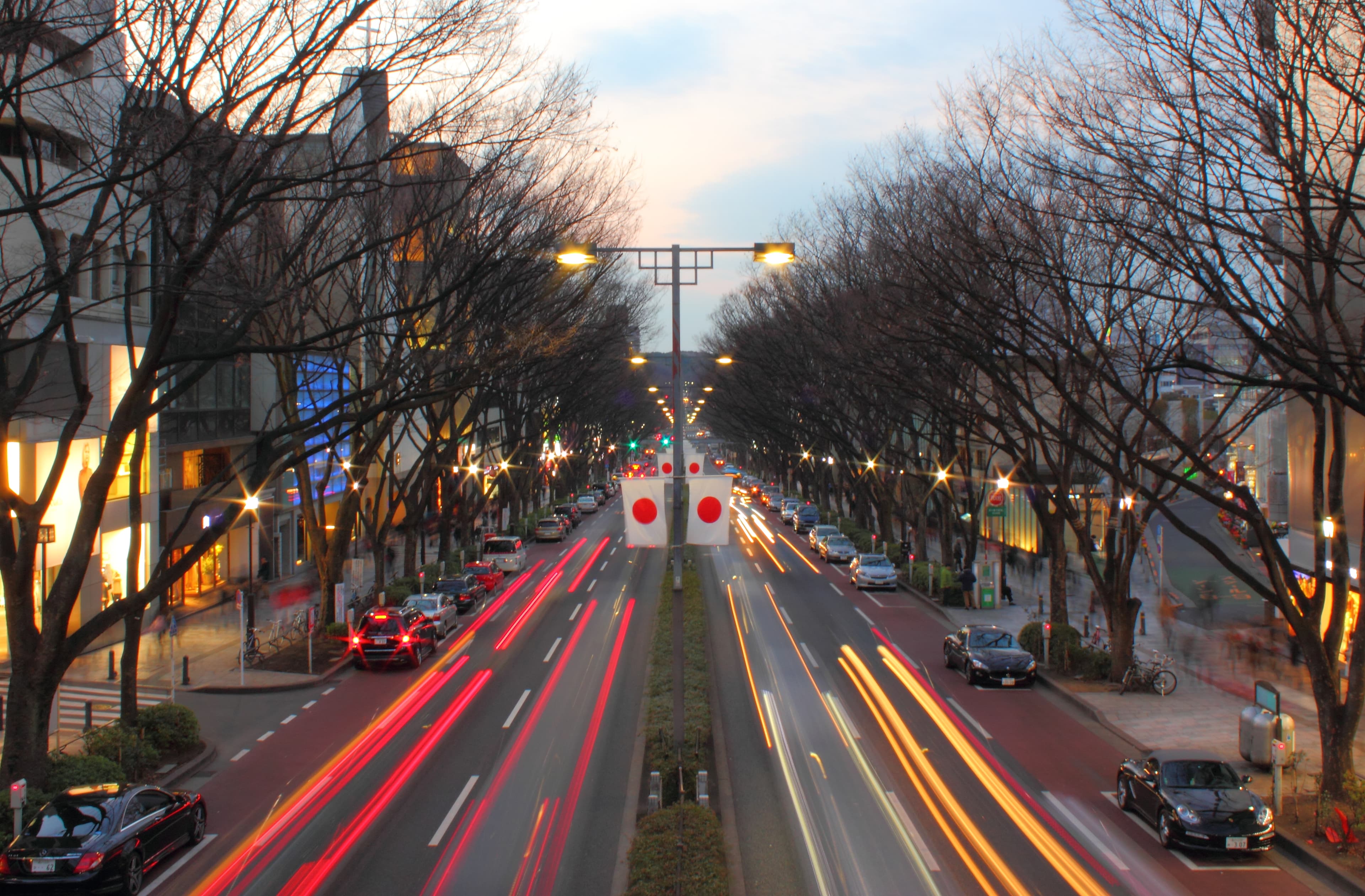
Featured photograph: Illustrative location photograph: Tokyo's Omotesando in winter 2012, not the location of the reported attack.
Photo: Kakidai, via Wikimedia Commons, CC BY-SA 3.0. Photograph reproduced without editorial alteration.

A coat offered when it was needed
Good News Network's November 2026 account identifies the student by the surname Koyama. He encountered the girl after her traditional Korean school uniform had been deliberately damaged.
He offered his new winter coat so she could cover herself. His name was written inside it.
The girl preserved the coat long after that day. Years later, she recognized his name in reporting about his welfare work and was able to return it. She has not been publicly named in the accounts cited here.

Photo: Tobias ToMar Maier, via Wikimedia Commons, CC BY-SA 4.0. Photograph reproduced without editorial alteration.

The story reached an artist
The return also brought Koyama into contact with Korean artist Park Jung-moon.
A July 21 report in the Japan-based newspaper Choson Sinbo documented their first meeting in Tokyo on June 15, 2026. Koyama brought the returned coat.
Park had painted Chogori, a work depicting a Korean girl in a damaged traditional garment. The coat and the painting linked a personal act of assistance with an artist's longstanding attention to dignity and discrimination.
A memory being carried forward
In a July statement from Park's studio, the office confirmed the coat's return and described preparations for a new art project inspired by the encounter.
The announcement presented the project as a way to pass the memory to another generation. It did not announce a completed exhibition or provide a final schedule.

Photo: Basile Morin, via Wikimedia Commons, CC BY-SA 4.0. Photograph reproduced without editorial alteration.

The coat could not undo the attack. Its return did establish something lasting: the person who received a stranger's help had remembered it and protected the object that made that help possible.
A teenager's practical response to someone in distress became a connection that survived for decades.