
A proposal in Peru would place the responsibility for changing schools on students responsible for severe violence, rather than automatically leaving the affected student to move.
Deputy Carlos Yalta Sotelo described the idea in September 2026 reporting. The proposed timetable included immediate temporary separation in a serious case, followed by a decision on a definitive measure within 48 hours.
What the September reports described
Peru's Andina news agency reported the proposal on September 25.
The cases discussed went beyond ordinary classroom disagreements. The account listed serious bullying, cyberbullying, sexual assault, drug sales and bringing weapons to school among the conduct the proposal would address.
Yalta also called for changes to SíseVe, the platform used to report and track school violence. He wanted it to support an active response and follow-up, rather than simply record a complaint.

Archival La Salle school photograph in Lima. The image does not document violence or the proposed policy. Photo: Guillermo Arévalo, CC BY-SA 4.0. Resized; JPEG conversion. Image adaptation shared under the same CC BY-SA 4.0 license.

Separation did not mean ending a child’s education
Gestión's coverage of the proposal described possible transfer to a different school, alongside psychological support and monitoring.
The reported plan retained the student's right to education and due process. That is an important part of the proposal, not an exception that can be left out of a headline about removal.
The 48-hour period concerned determining a final measure after an immediate temporary response. It was not presented as a requirement to expel any child accused of any form of bullying without examining the case.
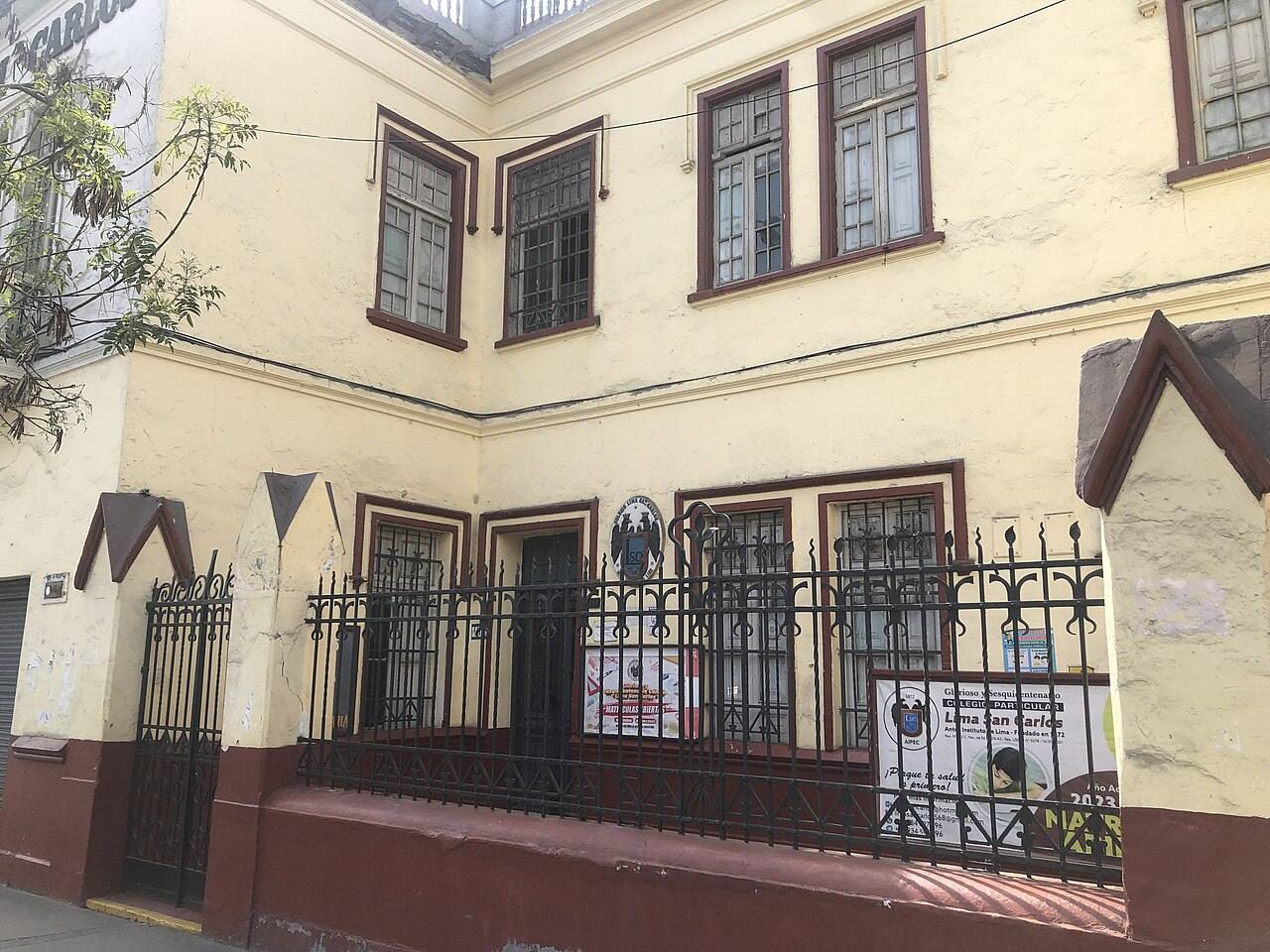
Another archival Lima school view. This is education context, not evidence of misconduct at the school pictured. Photo: AlejandroFC, CC BY-SA 4.0. Resized; JPEG conversion. Image adaptation shared under the same CC BY-SA 4.0 license.

A proposal should not be mistaken for a law
The September accounts document what a lawmaker proposed. They do not announce that a new nationwide expulsion law had taken effect.
That distinction remains essential when the story circulates as a short social-media claim. A public proposal, a formally filed bill and an enacted rule are different stages, and the reports do not justify treating them as interchangeable.
The central concern is clear even with that limitation: protecting students who experience serious violence while deciding how schools should respond to the student responsible, without abandoning either child's right to an education.
Featured image: Archival school building photograph in Lima. This school is not identified as involved in a bullying case. Photo: AlejandroFC, CC BY-SA 4.0. Resized and fitted to a 16:9 canvas. Image adaptation shared under the same CC BY-SA 4.0 license.
