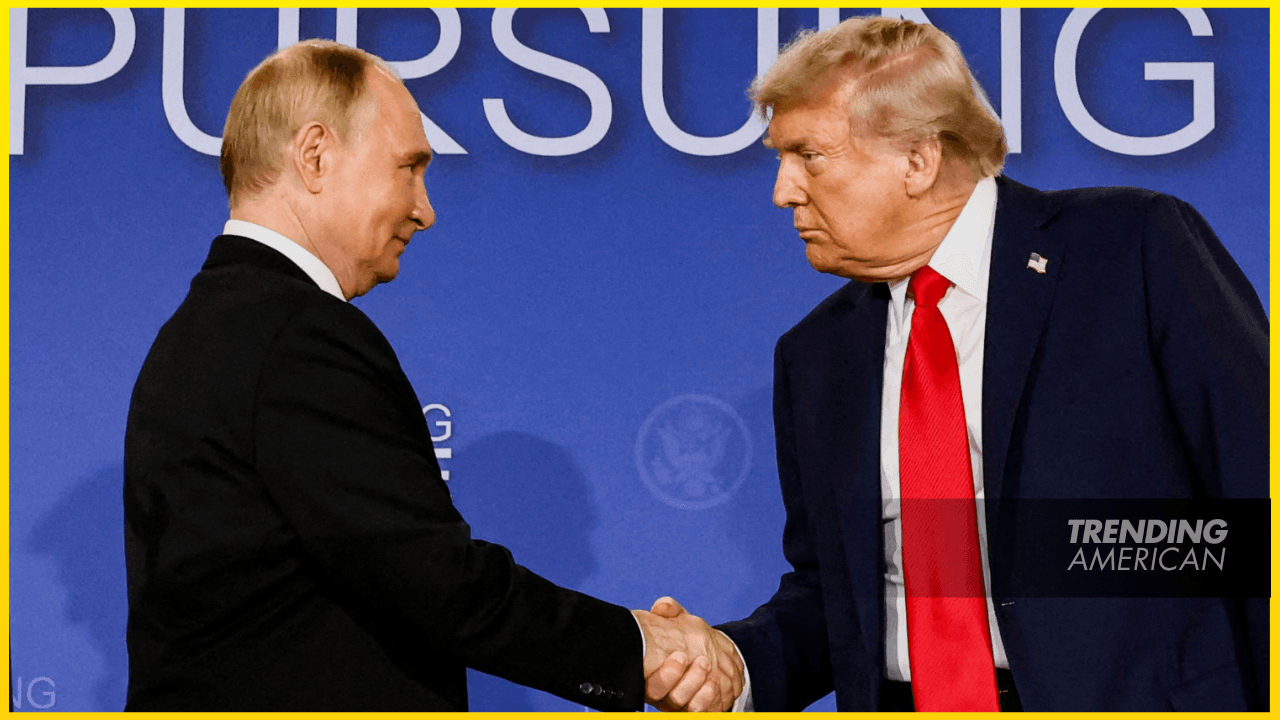
In the heart of Europe, geopolitics stirs once more. As November 2025 unfolds, Budapest positions itself at the epicenter of global diplomacy. This city, laden with historical gravitas, prepares to host a potentially transformative summit between the United States and Russia.
The summit, which aims to rekindle constructive dialogue in the frosty shadow of the Ukraine conflict, takes on additional complexity with recent developments. Russian Foreign Minister Sergey Lavrov has asserted Russia’s readiness for talks, building on past Alaska discussions. However, US President Donald Trump, alongside Secretary of State Marco Rubio, demands clear outcomes from previous dialogues before proceeding with further commitments.

Despite Russia’s cooperative overtures, the meeting remains fraught with tension, underscored by Hungary’s intriguing position. Hungarian Prime Minister Viktor Orbán recently brokered what he portrayed as a diplomatic victory: an indefinite exemption from US sanctions on Russian energy. Yet, the US government swiftly countered, framing this as a provisional one-year deal, highlighting the murky waters of international consensus.
This summit emerges as a pivotal exploration of trust amid fractured alliances. The negotiations will test whether long-term peace is feasible beyond mere ceasefire rhetoric, especially as skepticism from US political quarters and Hungarian opposition adds layers of scrutiny. Questions about Orbán’s closeness with Moscow only deepen the intrigue, as Budapest, like always, plays dual host to promise and peril.
Disclosure: We may earn a commission when you make a purchase through the ads.