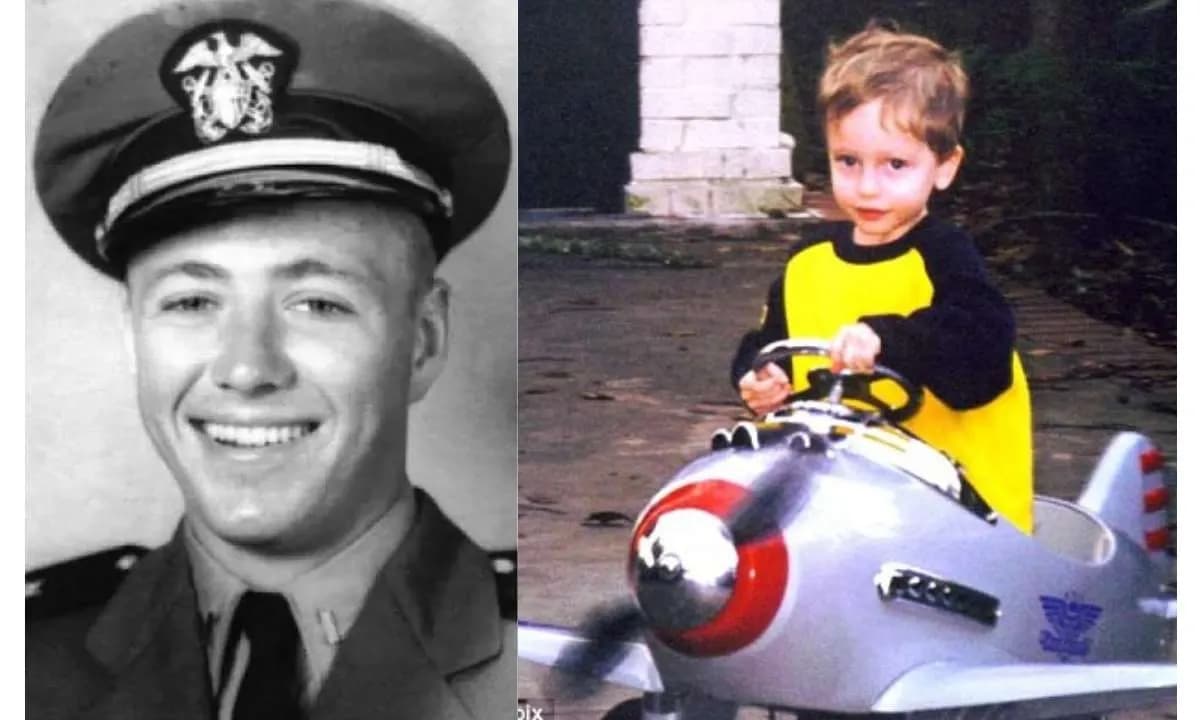
In the late 1990s, Bruce and Andrea Leininger from Louisiana thought they had a perfectly ordinary little boy. But just after his second birthday, their son James began waking in the night, screaming. The nightmares came again and again, always the same: “Airplane crash on fire! Little man can’t get out!”
He thrashed in bed, kicked his legs as if trapped, and shouted the words over and over. His parents at first thought it was just a phase. But soon, the words and images became too specific to ignore.
James started slamming toy planes into a coffee table, shouting “airplane crash on fire.” He repeated this so often that the family table became scarred with dents. At airports, when his father traveled for work, James would wave goodbye saying, “Daddy, airplane crash on fire.” He was barely two years old.
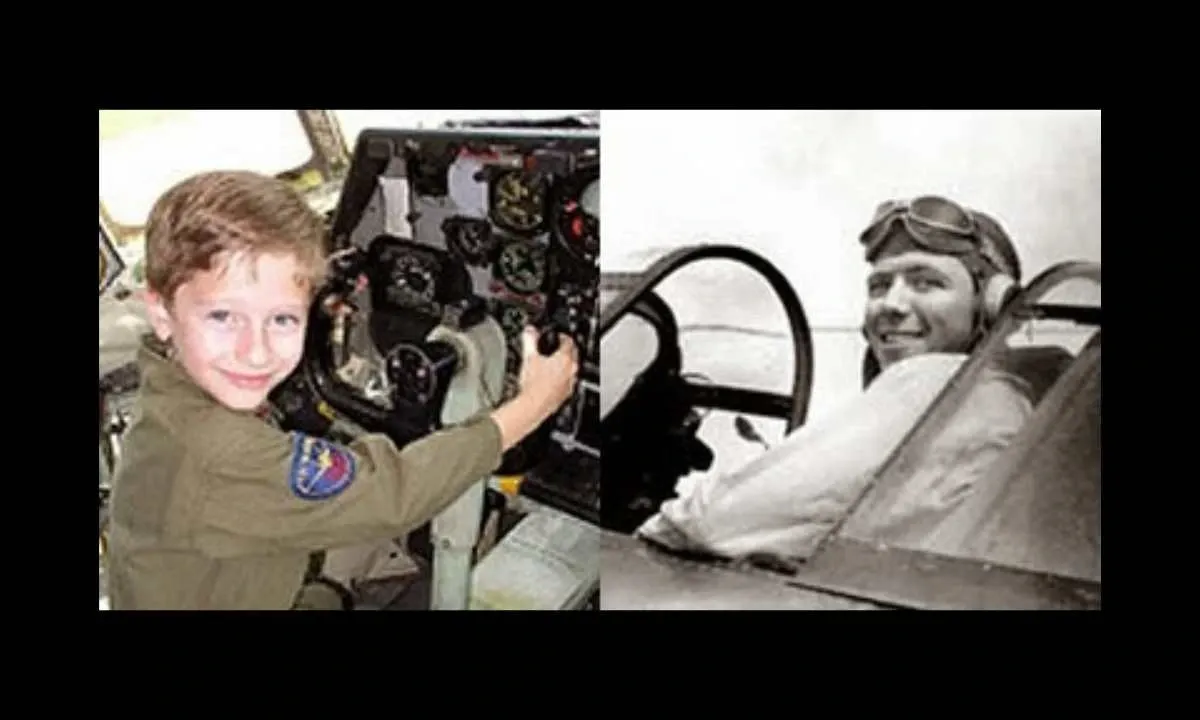
One day he told his parents that the “little man” in his dreams was him. His name, he said, was James. And when asked where his plane took off from, he answered with a strange word: “Natoma.” Bruce, curious, searched the word online and discovered the USS Natoma Bay, an American escort carrier that served in the Pacific during World War II.
The details kept coming. James said he flew a Corsair, a WWII fighter plane. He said his plane had been shot down by the Japanese. He even gave another name: Jack Larsen. Bruce later found records of a pilot named Jack Larsen who had indeed flown from the Natoma Bay.
The story grew stranger when James pointed to a book his father was reading about the Battle of Iwo Jima. He put his finger on a map of the island and said, “That’s where my plane was shot down.” At just over two years old, he could not have learned this from books or television—especially since no materials on the pilot he described were widely available.
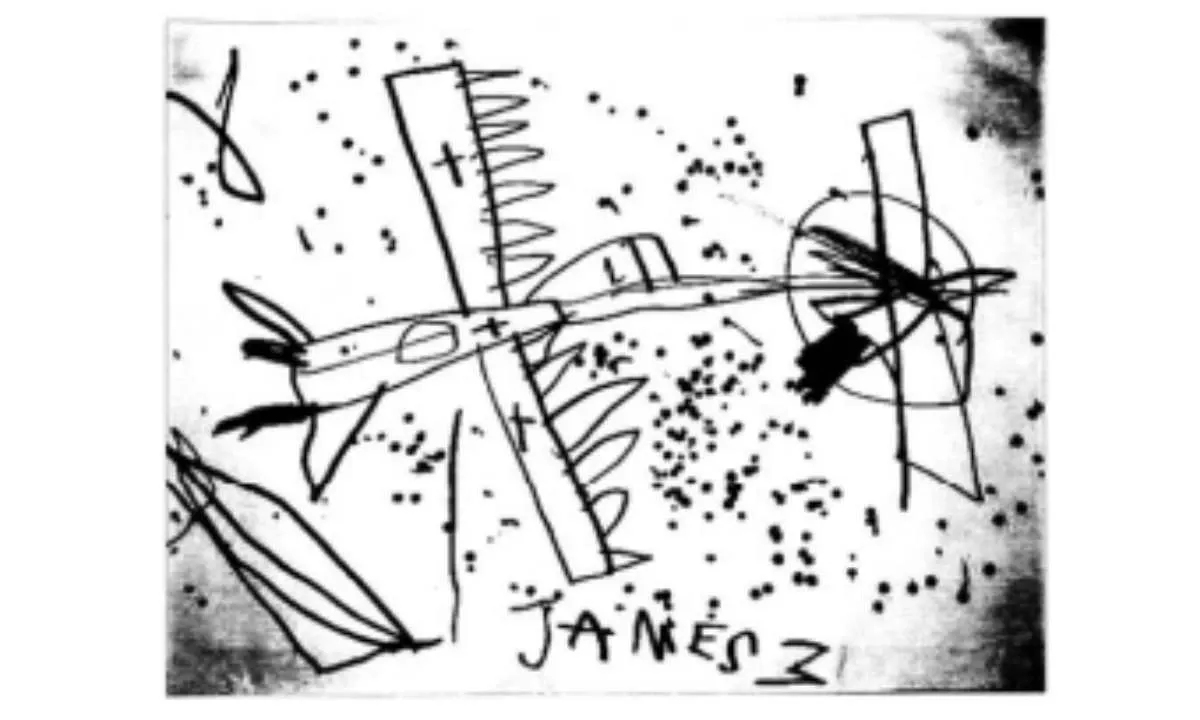
James began to draw hundreds of pictures of battle scenes, airplanes, and crashes. He signed them “James 3.” When asked why, he said it was because he was the “third James.” The fighter pilot whose life he seemed to recall was named James M. Huston Jr., who was killed at age 21 during a mission near Iwo Jima. Huston’s plane had been shot in the engine and crashed—exactly the detail James had screamed about in his nightmares.
Military records confirmed that Huston was the only pilot from the Natoma Bay lost during the Iwo Jima operation. He had gone down during a strike against transport vessels near the island of Chichi-jima. The aircraft action report from that day showed the flight path of Huston’s plane alongside another pilot—Jack Larsen, the very name James had given.
The evidence began to pile up. In an ABC News interview, James’s parents described how their toddler’s statements lined up with actual history. Table comparisons later showed that every major detail James gave—Corsairs, flat tires when they landed, flying from a carrier, being shot down at Iwo Jima—matched Huston’s life and death.
At first, skeptics argued the boy must have absorbed information from movies or books. But researchers found no published accounts of Huston at the time James spoke of him. Others suggested coincidence or imagination. But how does a two-year-old say “Natoma” or give the name of a real pilot without anyone telling him?
James’s case caught the attention of Dr. Jim Tucker at the University of Virginia, who has studied hundreds of children worldwide who claim past-life memories. What made James’s case remarkable was the amount of documentation collected before Huston was identified. His words and drawings were recorded long before anyone could connect them to the real pilot, which made it harder to dismiss them as family invention.
His parents even sought advice from Carol Bowman, who had written about children with past-life memories. She encouraged them to reassure James that the terrifying memories were in the past. After that, his nightmares slowly began to fade.
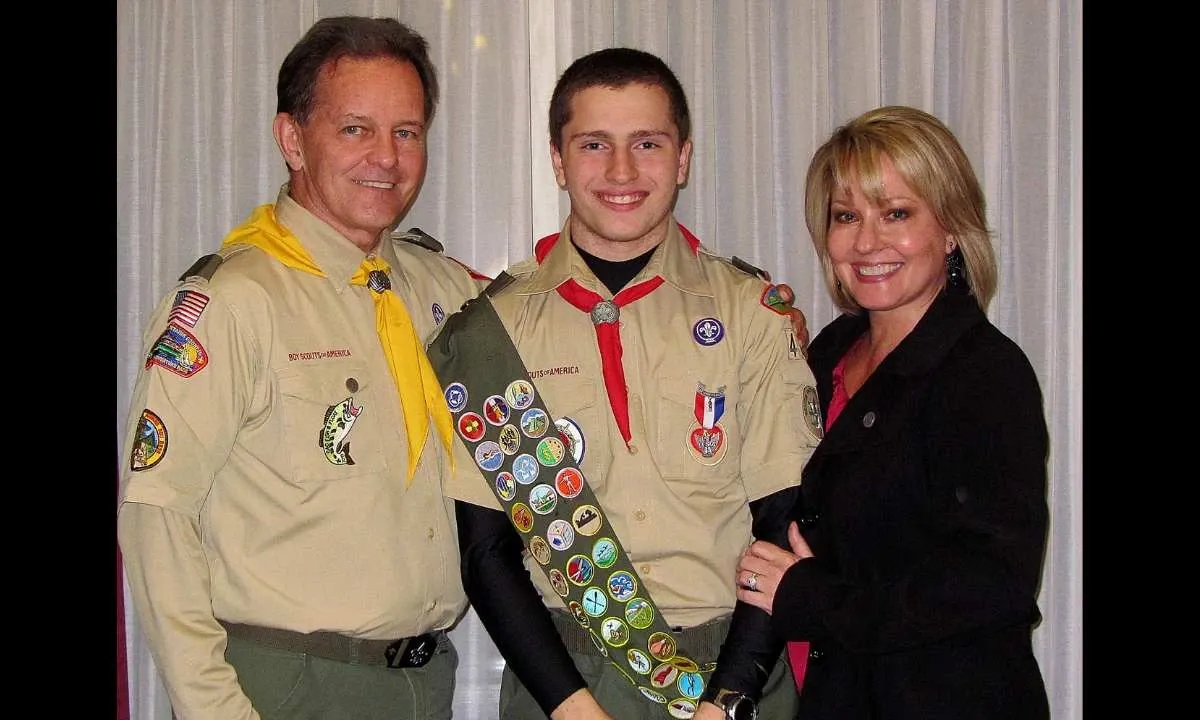
As James grew older, the memories weakened. By the time he was a teenager, he no longer spoke much about his dreams. He became an Eagle Scout and seemed to live a normal life. But for years, his story raised questions that remain unanswered.

Was James simply a highly imaginative child with uncanny luck at guessing details? Did he somehow pick up fragments of forgotten history through ordinary means? Or was this a genuine case of reincarnation—an American boy recalling the final moments of a young pilot who died in 1945?
The story of James Leininger continues to fascinate because it forces people to confront mysteries about memory, trauma, and whether consciousness can live beyond death. For some, it is undeniable evidence of past lives. For others, it is a reminder of how powerful the human mind can be, even in a child.