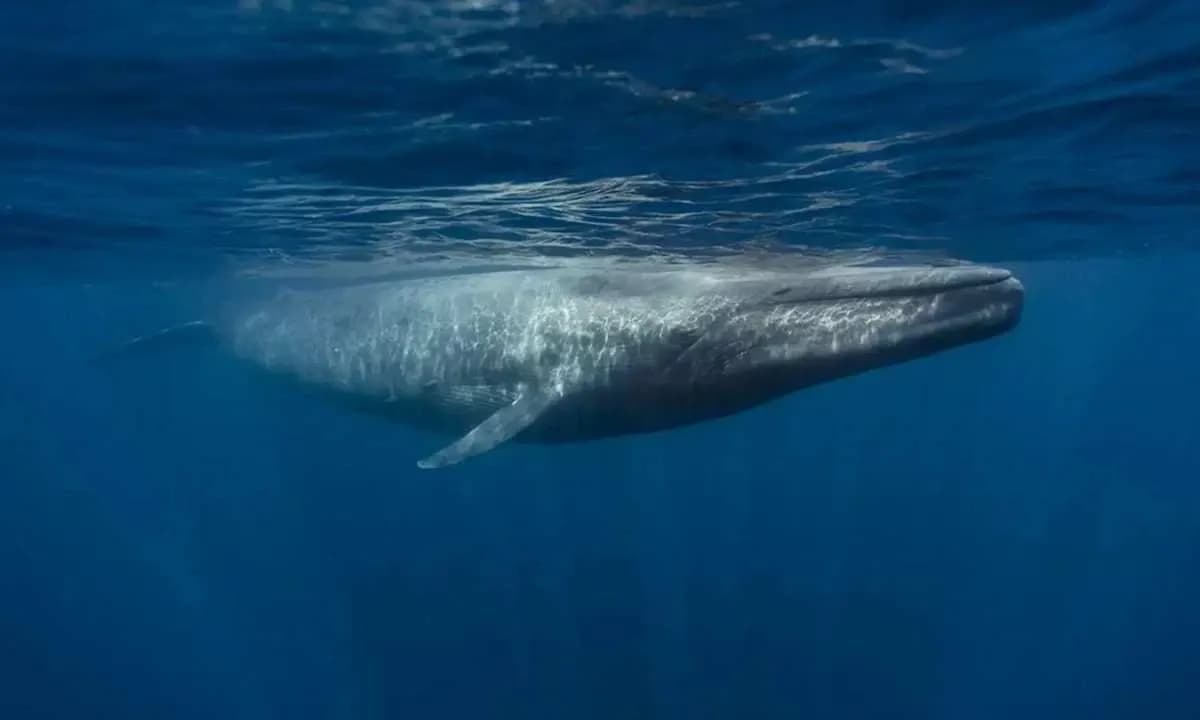
Blue whales, the largest animals on Earth, are losing their voices, and scientists are deeply concerned. A recent study has highlighted a worrying trend: blue whale vocalizations are dropping significantly, particularly off the coast of California. This decline in whale songs is more than just a curious phenomenon—it’s a sign of something much larger and more alarming happening in our oceans.
For over six years, researchers have been tracking the sounds of blue whales and other marine life in the California Current Ecosystem (CCE) using a hydrophone, a device placed on the ocean floor to listen to the sounds of the sea. The study was part of an effort to monitor various whale species, including blue, fin, and humpback whales.
While studying these creatures, the scientists noticed a startling decrease in the number of blue whale songs, with vocalizations dropping by as much as 40%. This change came about during a period when ocean temperatures were rising due to a marine heatwave that drastically affected the whales’ primary food source: krill.
The heatwave, which began in 2013, was caused by an unusually warm mass of water in the Pacific Ocean, a phenomenon later dubbed “The Blob.” The Blob stretched from the Bering Sea down to the waters off the U.S. West Coast. During its peak in 2016, it covered more than 2,000 miles of ocean, raising water temperatures by as much as 4.5°F above average.
This warming event was not just a minor change in the ocean’s temperature; it created an environment where toxic algae blooms thrived, killing off large amounts of krill—small, shrimp-like creatures that blue whales rely on for food.
Without krill, the blue whales faced a serious dilemma. As the availability of krill dropped, the whales spent more time foraging for food and less time singing. John Ryan, a biological oceanographer at the Monterey Bay Aquarium Research Institute, explains that this shift is akin to a person being too hungry to focus on anything else—like trying to sing while starving.
Blue whales typically consume vast quantities of krill by filtering thousands of gallons of water through their baleen plates, but with their food source dwindling, they couldn’t afford to waste time or energy on anything other than finding enough to eat.
This study, which spanned six years, revealed the severe impact that marine heatwaves like The Blob can have on marine life. In addition to the drop in blue whale songs, scientists observed that the population of krill was greatly reduced, making it nearly impossible for the whales to find enough food in their usual foraging areas.
The result was a shift in the whales’ behavior: they ventured further and further from their regular feeding grounds, spending more time searching for krill and less time performing the vocalizations that are essential for communication and navigation.
This decline in whale song is troubling for several reasons. First, it highlights the vulnerability of blue whales to environmental changes, specifically the effects of climate change on the oceans. These massive creatures depend on stable, healthy ecosystems to thrive, and any disturbance to that balance, such as the sudden disappearance of their food source, can have dire consequences. In fact, scientists warn that the decline in whale song may be just the tip of the iceberg, with more widespread ecosystem disruptions occurring as a result of rising ocean temperatures.
Moreover, the loss of krill affects more than just blue whales. These tiny creatures are a crucial part of the marine food web, serving as food for many other marine animals, including fish, birds, and even larger mammals. When krill populations decline, it sets off a chain reaction, affecting entire ecosystems.
In some cases, other species may adapt by foraging for different types of food, like the humpback whales, which have a more varied diet that includes krill and fish. However, blue whales are highly specialized feeders, relying almost exclusively on krill to sustain themselves.
The consequences of such changes are far-reaching. Kelly Benoit-Bird, a marine biologist at the Monterey Bay Aquarium and co-author of the study, points out that these disruptions affect more than just the whales.
“If they can’t find food, and they can traverse the entire West Coast of North America, that is a really large-scale consequence.”
she says.
In other words, the blue whales’ struggle to find food and their diminishing vocalizations are a warning signal that something is seriously wrong in the ocean ecosystem. Without enough food, the whales can’t reproduce effectively, leading to a smaller population over time.
The problem is only expected to worsen as climate change continues to raise ocean temperatures. The burning of fossil fuels by humans is accelerating the process, and the oceans, which absorb more than 90% of the excess heat generated by climate change, are feeling the effects. Scientists fear that without urgent action to curb climate change, events like The Blob could become more frequent and more severe, further disrupting marine ecosystems.
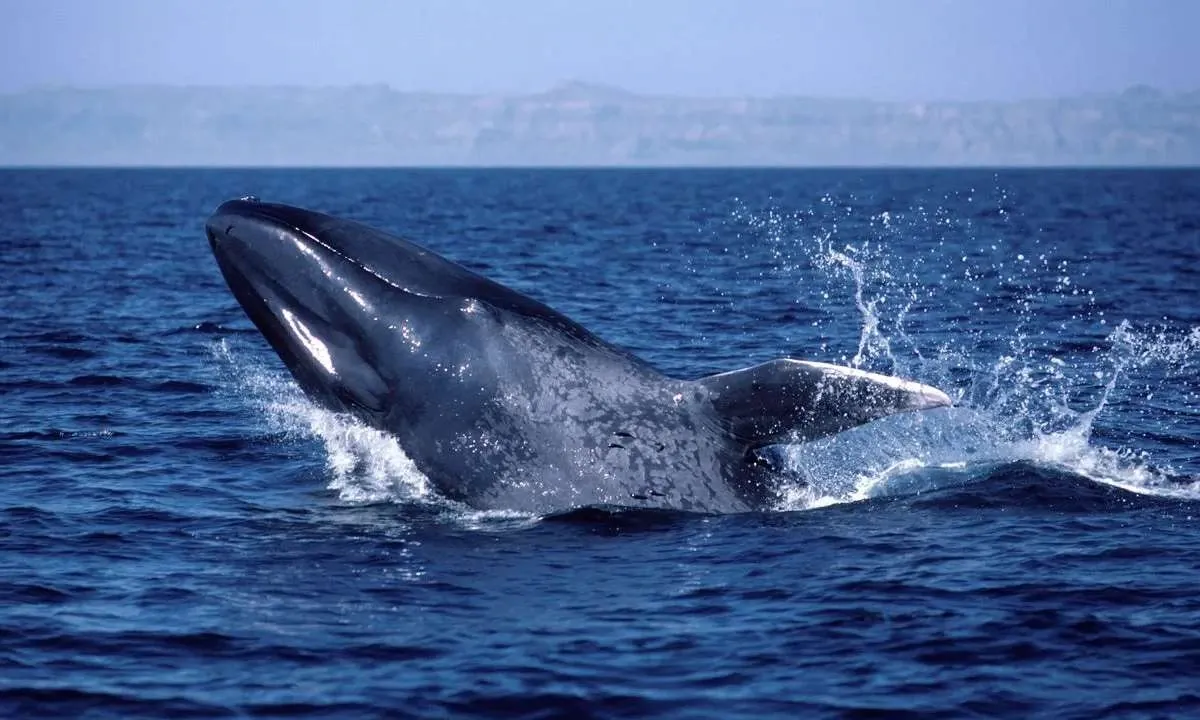
So, why should we care about the decline in blue whale songs? For one, whales are key indicators of the health of our oceans. Their songs have long been used by scientists to study the behavior of whales and the state of the marine environment.
If blue whales are no longer able to sing, it could mean that the ocean is in even greater trouble than we realize. By listening to the whales and understanding their behavior, we can gain valuable insights into the state of our oceans and the challenges they face.
Hear Nature’s Song Again
As the world grows quieter, don’t let your hearing fade with it. Rediscover the beauty in every sound—from the whisper of the ocean to the call of the wild.
Experience the DifferenceAs we continue to witness the effects of climate change on marine life, it is more important than ever to pay attention to the signs that nature is giving us. The disappearance of blue whale songs may seem like a small change, but it is a profound reminder of how interconnected our world is. What happens in the ocean affects everything—from the creatures living there to the people who depend on the sea for their livelihoods.
In the end, the decline in whale song is not just a sign of stress in the whales themselves; it is a signal of a larger, systemic issue in our oceans. The good news is that by understanding what is happening to the whales, we can take steps to protect them and the ecosystems they inhabit. It’s time for us to listen to the whales and take action before their silence becomes permanent.
This article may contain affiliate links. We may earn from qualifying ads or purchases.