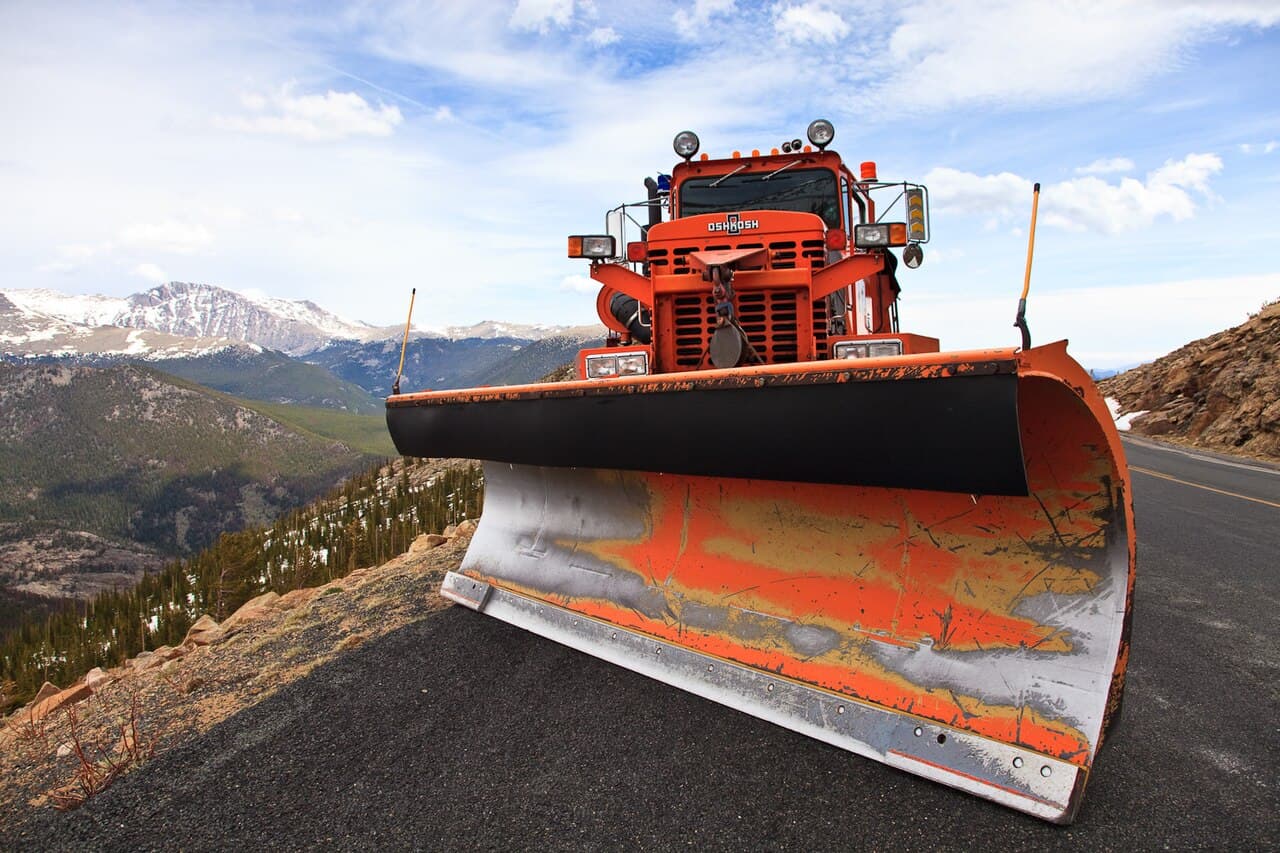
Beet-processing leftovers can help road treatments stick to pavement. That real idea has grown into a much bigger online claim: that Sweden has replaced road salt with an edible beet-and-corn mixture that safely protects birds.
The evidence supports a more limited—and still interesting—story. Agricultural byproducts can be ingredients in de-icing products, but that does not make every mixture salt-free or harmless.
What beet-based treatments actually do
A winter-maintenance review published through Finland's transport research archive describes adding beet juice or molasses to salt or brine to improve how well it adheres to a road.
That is an additive to a treatment, not proof that chlorides have disappeared. A claim about a product's environmental benefits needs its actual ingredients, application rate and testing results.
Alternatives still have trade-offs
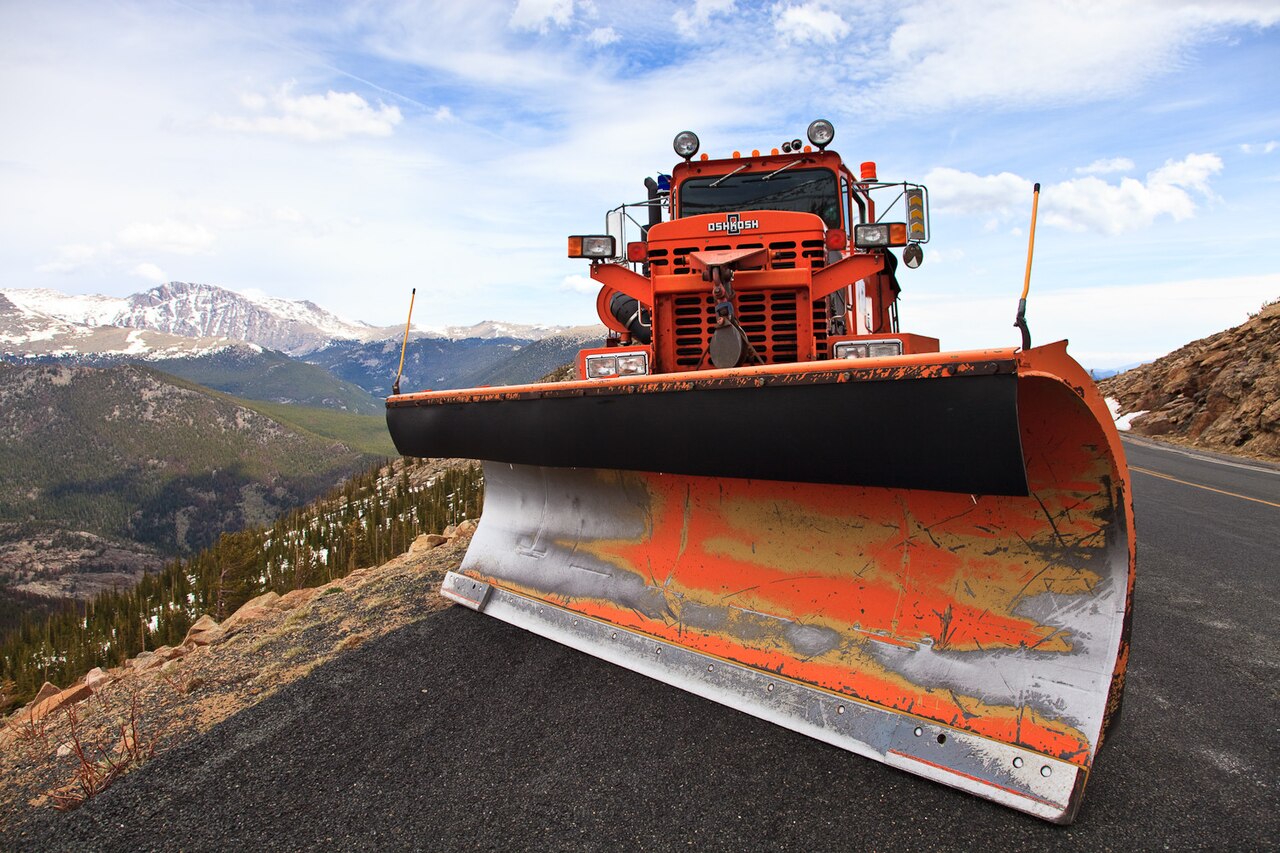
The Cary Institute's guide to road-salt alternatives lists agricultural materials including corn steepwater and de-sugared molasses. Its guidance shows that alternatives deserve evaluation, rather than a simple natural-equals-safe label.
The document also emphasizes removing snow and ice mechanically before applying de-icer. Better management can matter as much as finding a novel ingredient.

Why the viral Swedish claim needs caution
A fact-check of the circulating story traces the claim through social-media posts and finds no supporting evidence for the described edible-salt programme. The viral account supplies neither a named Swedish trial nor a technical report supporting its sweeping promises.
There is no basis here to repeat precise claims of zero corrosion, harmless runoff or a particular number of birds saved. Nor should a roadside treatment be promoted as food for wildlife.
The useful question remains: how can communities use less material while keeping roads safe? Beet-derived additives may contribute to that work. Their value should rest on measured performance and environmental evidence, which are more useful than a perfect-sounding story.
Photograph credits
- Photograph 1: Thomas, CC BY 2.0. Resized; captions identify contextual images.
- Photograph 2: Ser Amantio di Nicolao, CC BY-SA 4.0. Resized; captions identify contextual images.

