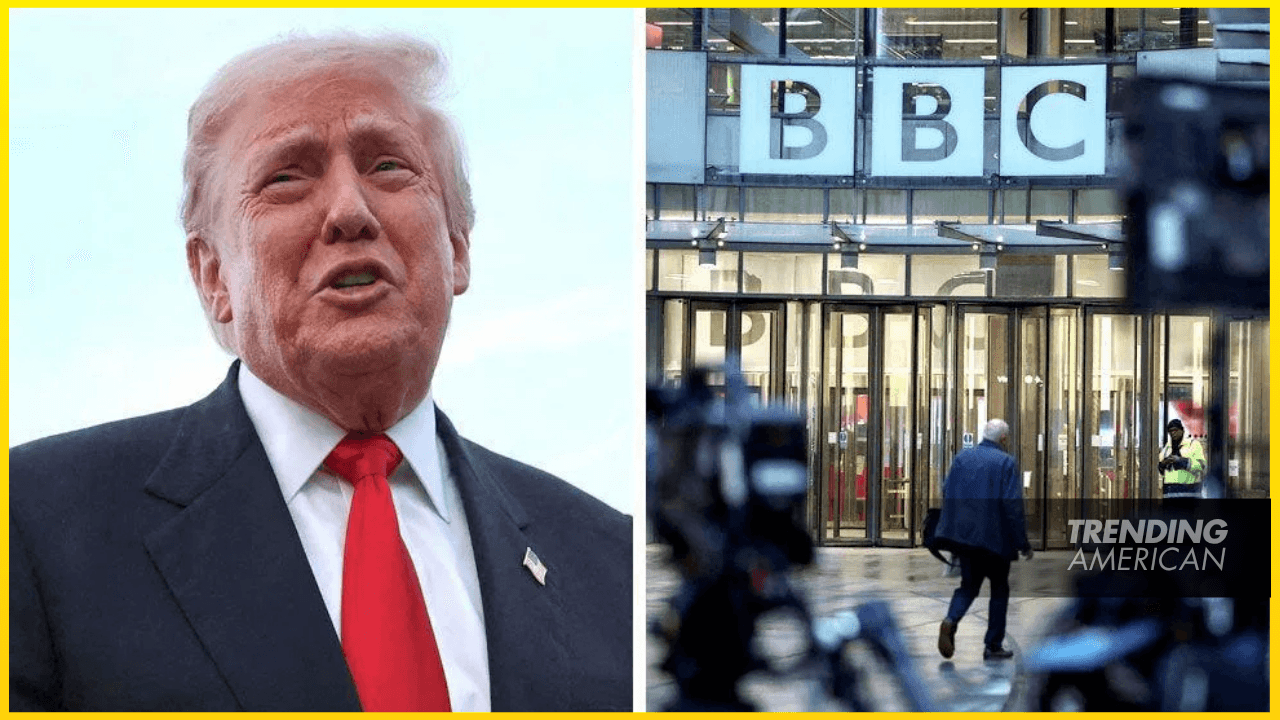
The BBC recently found itself at the epicenter of a high-stakes controversy involving former U.S. President Donald Trump. On November 13, 2025, the BBC formally apologized to Trump for a misleading edit of his January 6, 2021, speech in a Panorama documentary. The content edit spliced separate parts of his speech, giving the erroneous impression that Trump directly advocated violence.
Trump’s legal team swiftly responded with a threat of a $1 billion lawsuit, citing significant reputational and financial damage. Despite the apology, the BBC firmly rejected the financial demand and any defamation claims, standing by their statement that they did not intentionally malign Trump.
In the wake of this turbulent episode, the resignations of BBC Director-General Tim Davie and news chief Deborah Turness marked a poignant chapter in the network’s history, reflective of the internal fallout. Legal experts have weighed in, suggesting probable challenges for Trump should he pursue the lawsuit, particularly due to cross-jurisdictional complexities. The episode further threw light on previous editing concerns within the BBC about similar issues cropping up in another program.
This incident further thickens the intricate web of media, politics, and law, challenging boundaries while sparking widespread public debate on journalistic integrity and accountability.
Disclosure: We may earn a commission when you make a purchase through the ads.