A rare Indonesian primate listed as possibly extinct has been living alongside the people trying to protect it. Rescue records from Bangka Island document more than 90 Bangka slow lorises handled by the Alobi Wildlife Rescue Center since 2015.
A study published in October 2026 brings those records into the scientific literature. Its hopeful finding is that the species survives. Its warning is that survival still comes with serious threats.
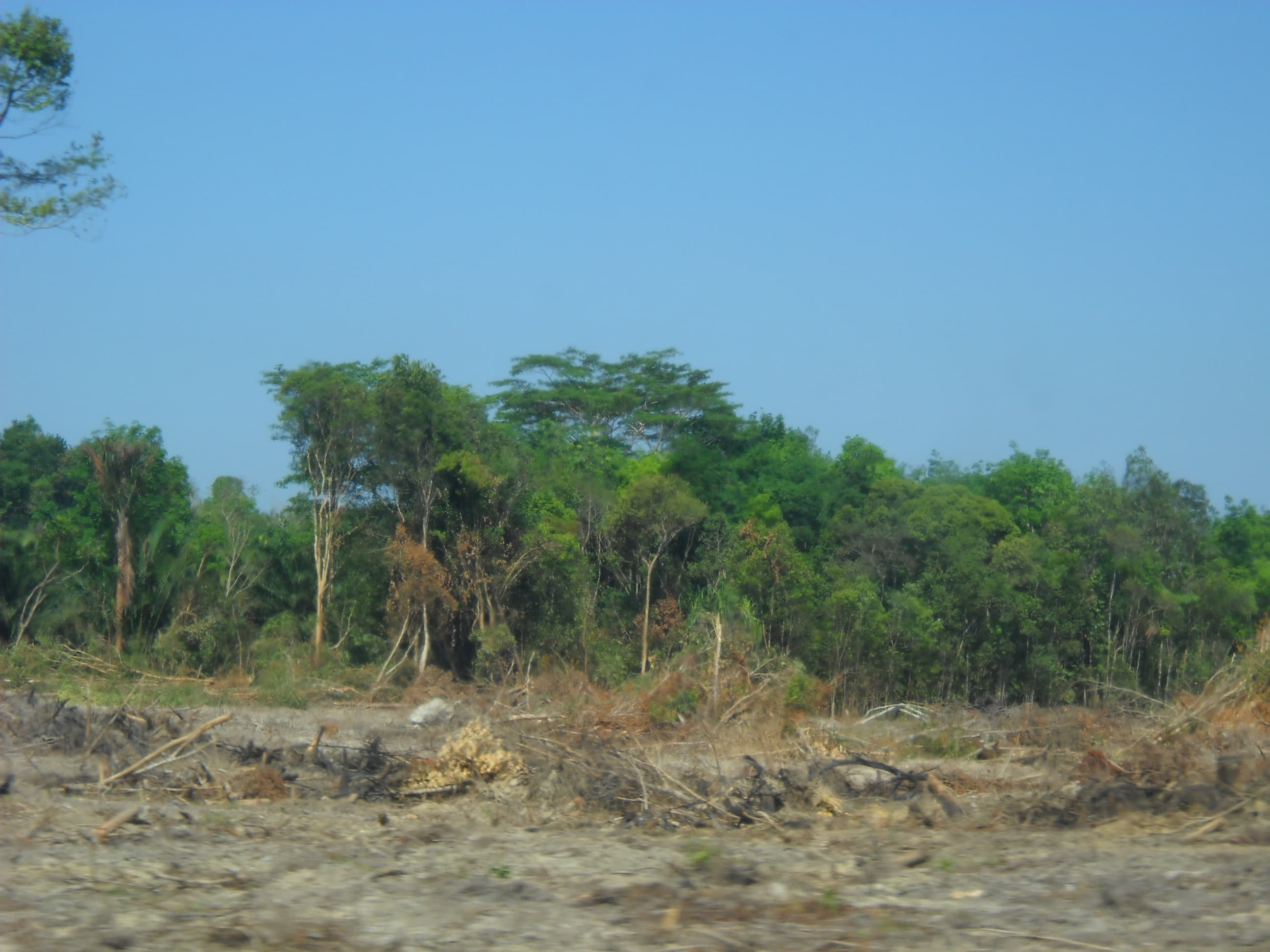
Featured photograph: Archival location photograph: forest clearing in Merawang on Bangka Island. No rescued loris is shown.
Photo: Taman Renyah, via Wikimedia Commons, CC BY-SA 3.0. Photograph reproduced without editorial alteration.

Rescue work filled a gap in the record
The paper in Spixiana, led by Alobi's Langka Sani and colleagues, concerns Nycticebus bancanus.
The authors explain that the species was listed as Critically Endangered (Possibly Extinct), with 1937 cited as its last historical record. They also note uncertainty about the exact date behind that record.
The new evidence does not mean an extinct animal returned to life. Local people and rescuers had encountered living lorises for years. The study makes those observations more visible to the wider conservation community.
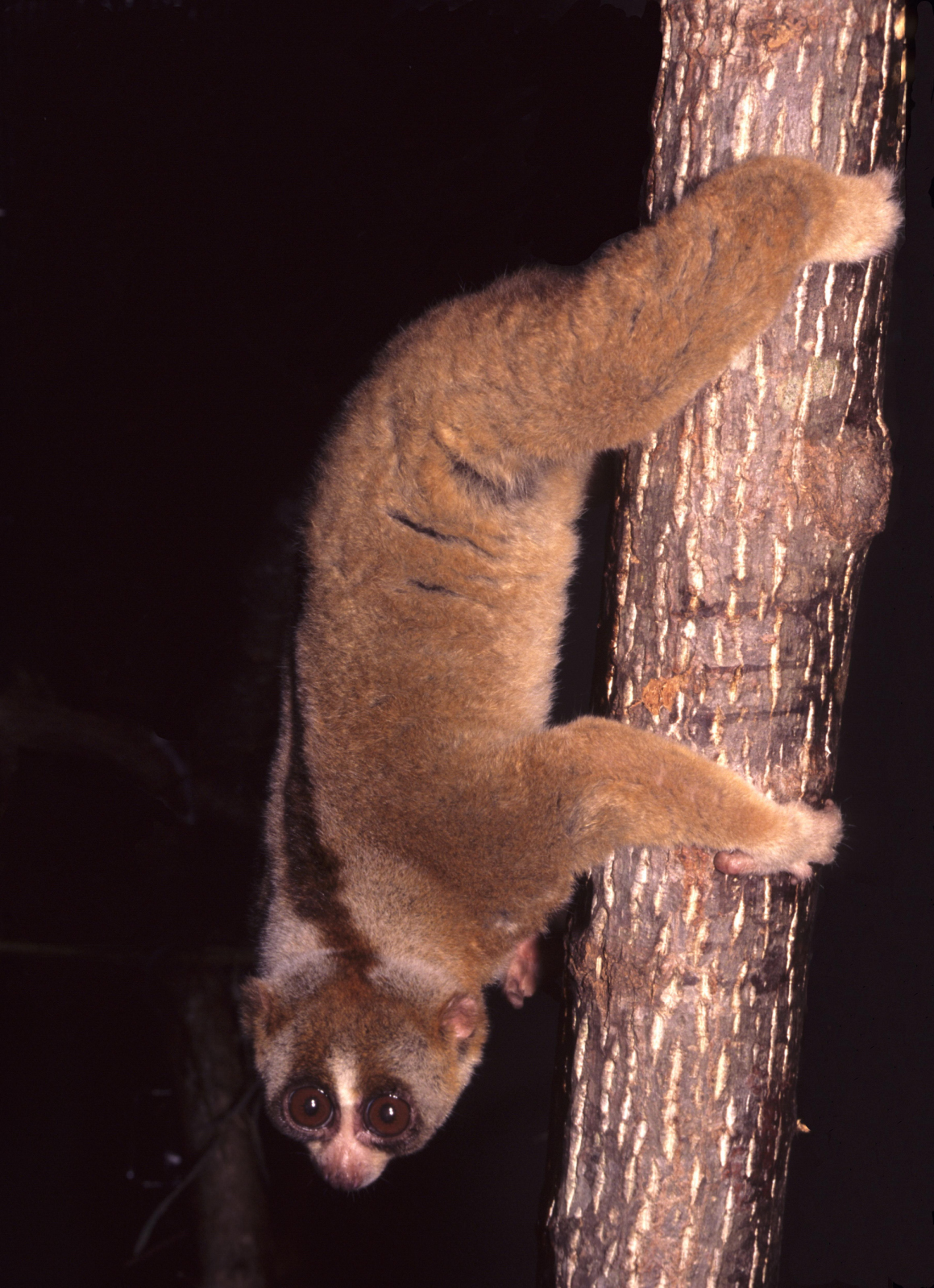
Photo: David Haring / Duke Lemur Center, via Wikimedia Commons, CC BY-SA 3.0. Photograph reproduced without editorial alteration.

More than a rediscovery headline
According to the research announcement from Alobi Wildlife Rescue Center, 86 rescued individuals were released at seven sites on Bangka.
The records also show why animals needed help. They included lorises found around homes, on roads and with burns consistent with contact with electrical infrastructure.
These are rescue records, not a census of the wild population. A release count also cannot establish that every released animal survived or later bred. The researchers called for further conservation work rather than declaring the species secure.
Protecting what remains
The study identifies habitat degradation as a central concern, including mining, plantations and expanding settlements. It recommends work both in the animals' habitat and through a conservation breeding initiative.
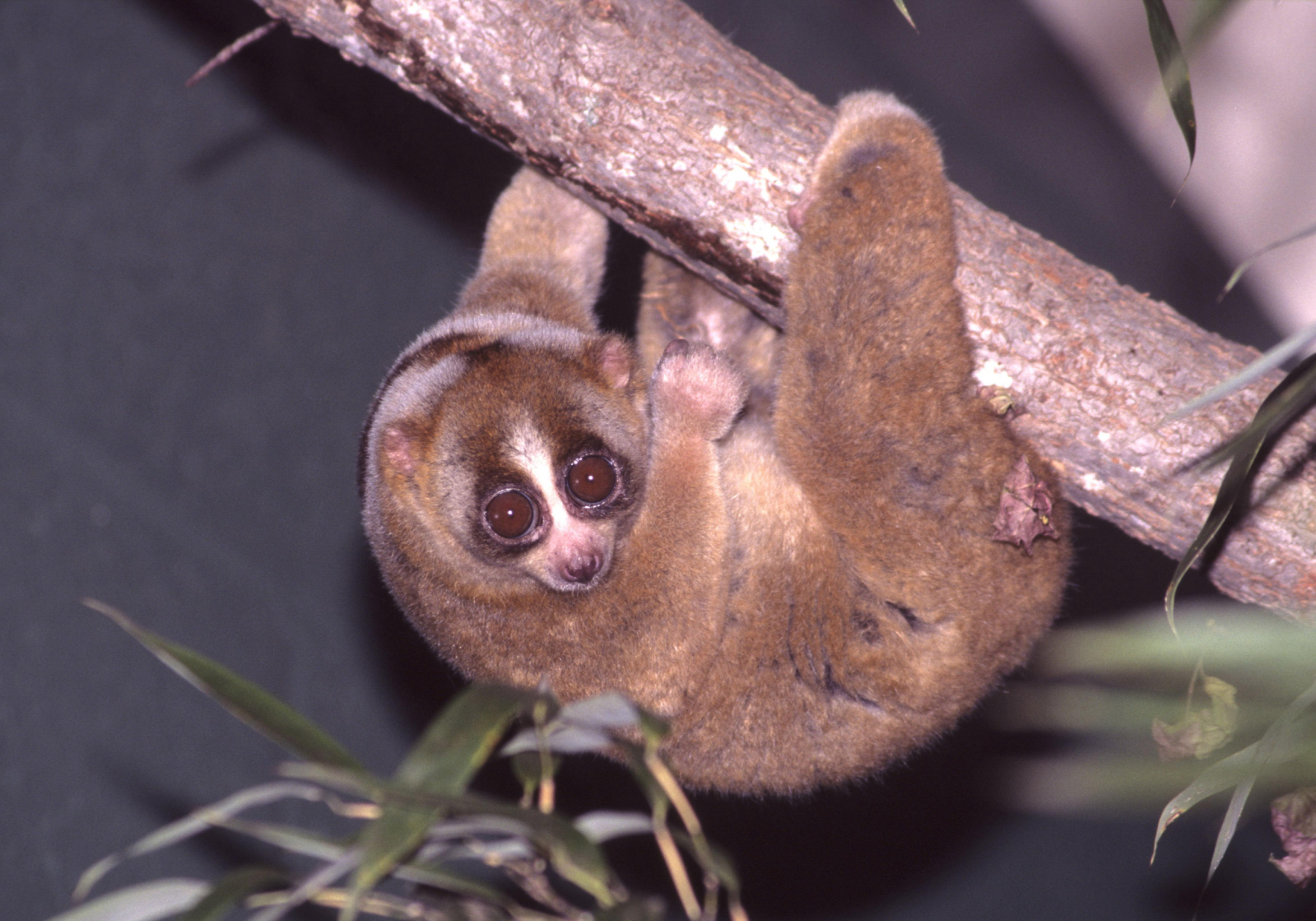
Photo: David Haring / Duke Lemur Center, via Wikimedia Commons, CC BY-SA 3.0. Photograph reproduced without editorial alteration.

The accompanying animal photographs show a related Sunda slow loris, Nycticebus coucang. They do not show Nycticebus bancanus or the Alobi rescues. The featured location photograph shows forest clearing on Bangka.
The strongest message in the findings comes from the years of local work behind them. Animals were reported, rescued and recorded long before the new paper appeared. Those records now give conservationists firmer evidence on which to plan the next steps.