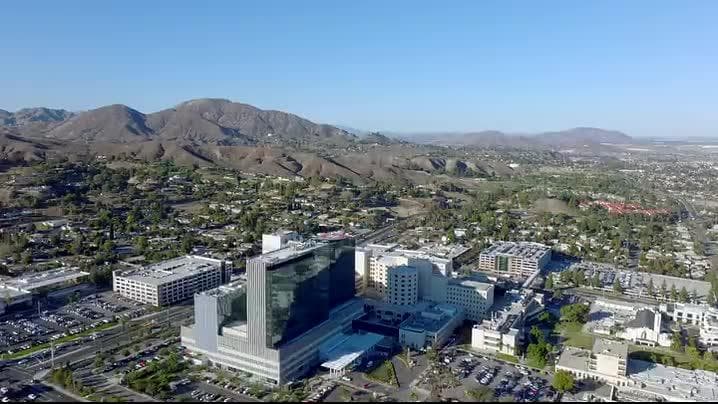
On October 26, 1984, a 12-day-old girl known as Baby Fae received a baboon’s heart at Loma Linda University Medical Center in California.
She survived for another 20 days. The operation brought international attention to infant transplantation, but it did not save her life. Source: Loma Linda University Health’s chronology.
Remembering her means holding both parts of the story together: a family’s hope and the serious questions raised by an experimental operation.
A newborn facing severe heart disease
Stephanie Fae Beauclair was born on October 14, 1984, three weeks prematurely. She had hypoplastic left heart syndrome, a severe congenital condition involving an underdeveloped left side of the heart.
Her care brought her to pediatric heart surgeon Leonard Bailey at Loma Linda. Sources: hospital chronology and NIH review of the case, reproduced in Spectrum.
The difficulties facing infants with severe heart disease in 1984 should not be read as a description of treatment options or outcomes today.
An experimental cross-species transplant
Bailey had been researching transplantation in newborn animals before proposing the operation.
Transplanting an organ between different species is called xenotransplantation. His hope was that transplantation could offer a path for newborns with otherwise devastating heart conditions. Source: Bailey’s retrospective interview, recorded in 2007.
Baby Fae’s parents consented, and the procedure went ahead on October 26. The hospital records that the transplanted heart began beating on its own at 11:35 a.m. Source: hospital chronology.
Hope, deterioration and death
Early reports described improvement, but her condition later worsened. The hospital’s chronology records a rejection episode, a return to respiratory support and inadequate urine production.
On November 15, 1984, her kidneys failed and her heart became unstable. She died that evening, about a month after her birth and 20 days after the transplant. Source: Loma Linda’s contemporary chronology.
The dates matter. She had not reached a first birthday; her entire life lasted just over a month.
The ethical debate was part of the story
The case raised questions about scientific justification, parental consent, possible alternatives and the use of an animal donor. These were discussed in contemporary medical ethics commentary in JAMA.
An NIH review reached a mixed assessment. Its site visitors concluded that the parents understood the alternatives, risks and reasonably expected benefits. They also identified shortcomings in the written consent document.
Before another such operation, the reviewers recommended clearer information about survival prospects, injury-related treatment or compensation, and whether a suitable human donor heart would be sought. Source: the NIH report.
Later advances do not remove those concerns. They remain part of an honest account of the experiment.
What followed in infant transplantation
In 1985, Bailey’s team performed a successful human-donor heart transplant in a newborn publicly known as Baby Moses.
In his later interview, Bailey described that case and Baby Fae’s as important in drawing attention to infant organ donation. His account also acknowledged earlier attempts at newborn heart transplantation by other surgeons. Source: Bailey’s interview.
Baby Moses’s operation was a different procedure with a different outcome. Baby Fae’s baboon-heart transplant should not be described as an established or lasting cure.
Remembering the child behind the case
Medical history often remembers milestones by a procedure, a date or a surgeon’s name. Baby Fae’s story also belongs to a child and her family.
Her short life became part of the history of transplantation and the debate over how new treatments should be tested. Remembering her with care means acknowledging the hope, the loss and the responsibility that comes with trying something new.
Image credits
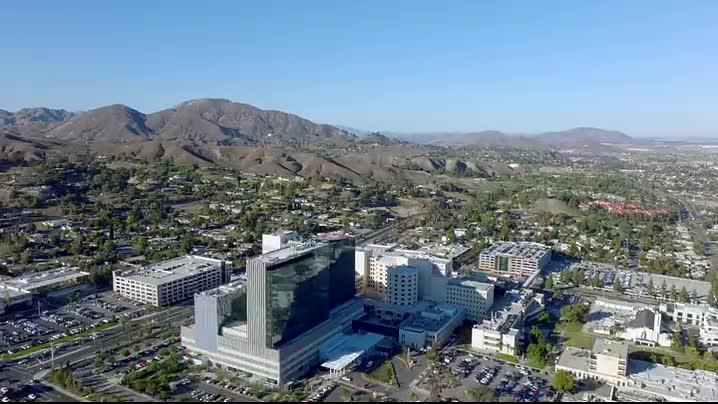
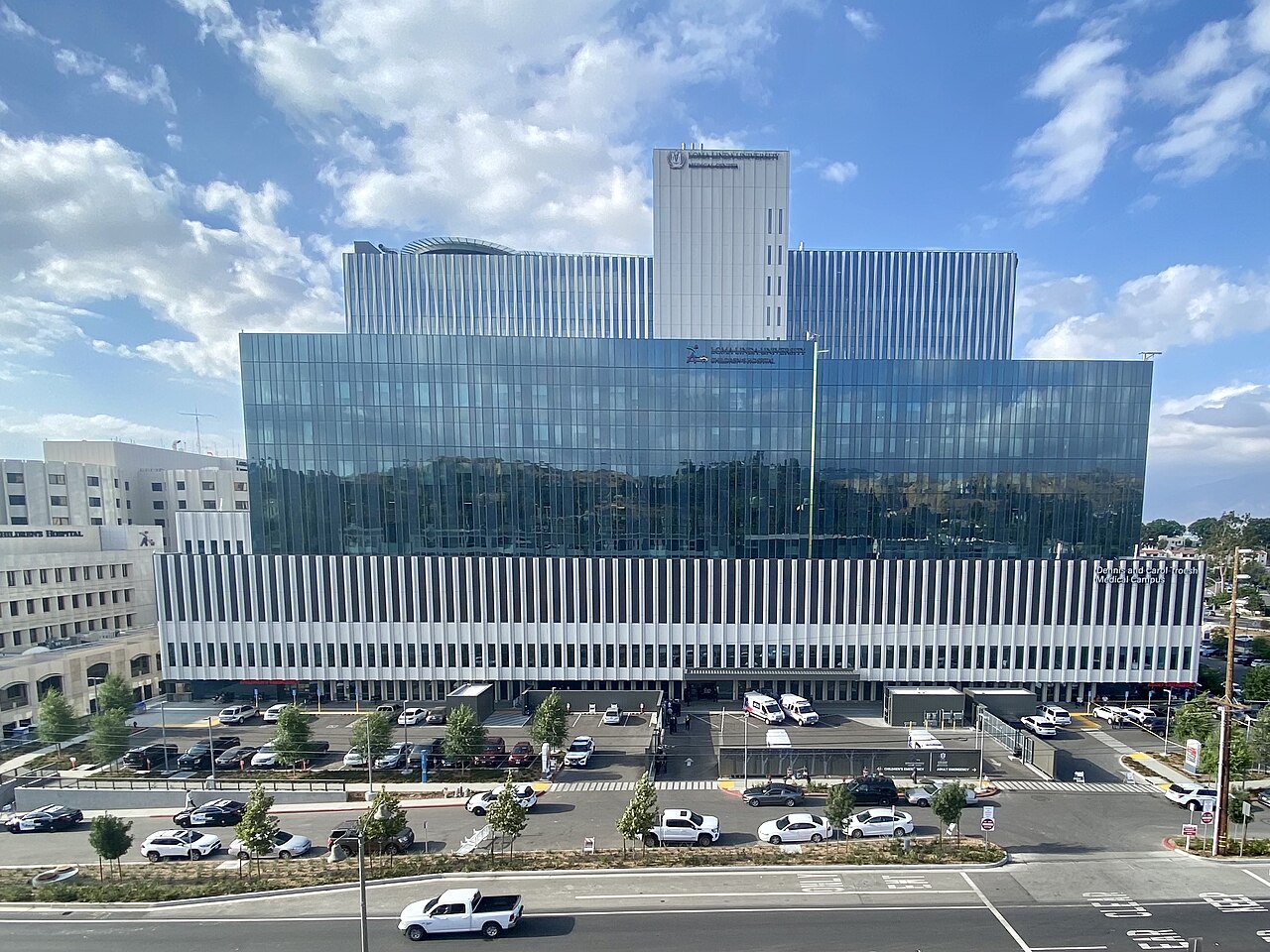
These photographs show the institution, not Baby Fae, her family or the 1984 operation.
- Loma Linda University and Medical Center: TigranKarakhanyan, CC0.
- Dennis and Carol Troesh Medical Campus: Lroehlig, CC BY-SA 4.0. This campus opened in 2021 and is included only as modern institutional context.


Sourced through Wikimedia Commons and resized for web display.