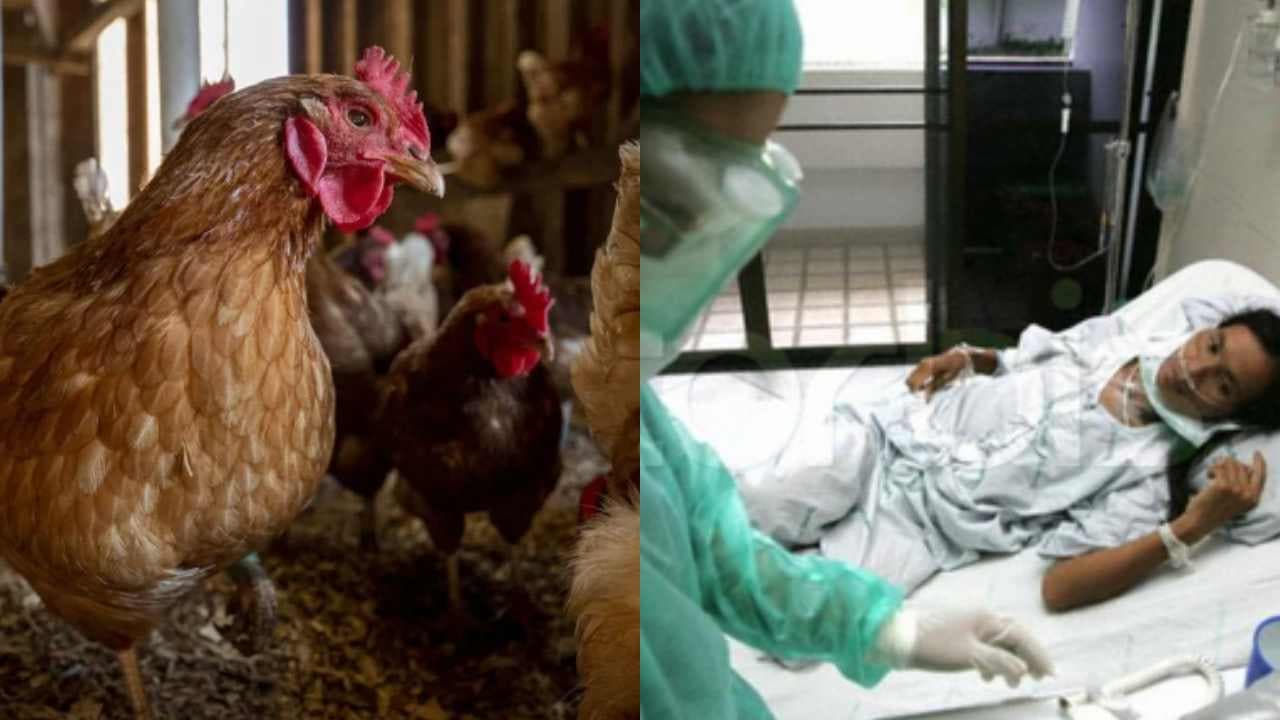
Austria is currently grappling with a nationwide outbreak of avian influenza, commonly known as bird flu, prompting health authorities to declare the entire country a high-risk area. The rapid escalation of cases in both poultry farms and wild birds has led to the implementation of stringent measures aimed at controlling the virus’s spread and safeguarding public health.

Austria Declared High-Risk Zone Amid Rising Bird Flu Cases
In response to multiple bird flu cases detected across both Upper and Lower Austria, the Austrian Health Ministry has designated the entire country a high-risk area. The virus has impacted approximately 200,000 birds in various regions, necessitating restricted zones and enhanced inspection procedures to limit its spread. According to the Austrian Agency for Health and Food Safety (AGES), wild birds, often asymptomatic carriers of the virus, are a significant source of transmission to domestic poultry, increasing the urgency of containment measures.

Government Enforces Biosecurity Measures Across Austria
To safeguard both public health and the poultry industry, Austria’s health authorities have enacted sweeping biosecurity protocols. Key measures include:
- Indoor Housing Requirements: In 25 districts across Austria, poultry farms with over 50 birds are now required to keep their flocks indoors to avoid contact with wild birds.
- Ban on Outdoor Feeding: Farmers are prohibited from feeding poultry outdoors to further reduce potential exposure.
- Protective Barriers: Farmers must install nets and other barriers around poultry enclosures to prevent wild birds from accessing domestic bird areas.
- Hygiene Protocols for Farm Workers: Workers are instructed to use protective clothing and follow strict hygiene practices, such as regular handwashing and equipment disinfection.
- Separation of Species: Ducks and geese must be housed separately to prevent cross-species transmission within poultry farms.
The public is also advised to avoid contact with wild birds, report sightings of dead or sick birds, and adhere to hygiene recommendations provided by the CDC and AGES.
CDC and AGES Provide Guidance on Worker Safety
The Centers for Disease Control and Prevention (CDC) has issued guidance on personal protective equipment (PPE) for farm workers who are at higher risk of exposure. In addition to standard PPE, the CDC recommends workers take precautions, such as avoiding unprotected contact with poultry and regularly sanitizing workspaces, to mitigate potential infection risks.
First Case of Bird Flu in a Canadian Teen Adds to Global Concerns
Adding to the global awareness of avian influenza risks, Canada recently reported its first case of a human infection in a teenager hospitalized in Vancouver. Health officials in British Columbia confirmed that the case involved the H5N1 bird flu strain, though the teen had no known direct contact with infected birds. The case, reported in Fraser Valley, has been met with close monitoring, and local health authorities are conducting testing and contact tracing to contain any possible spread.
During the weekend, the teen received treatment to address severe respiratory conditions. Severe illness occurs when a profusion of virus particles travel deep into the lungs causing viral pneumonia, making it hard for the body to get oxygen.
Bonnie Henry – provincial health officer
This rare case of bird flu transmission to humans highlights the potential for zoonotic risks, particularly in areas where humans and birds interact closely. In response, Canadian health officials have expanded public advisories to emphasize hygiene and caution in handling birds.
A Coordinated Effort to Control Bird Flu
As Austria continues to manage this avian influenza outbreak, the coordinated efforts of the Health Ministry, AGES, and CDC aim to curb the spread and mitigate public health risks. The case in Canada serves as a reminder of the virus’s potential impact on humans, prompting heightened vigilance and proactive measures in affected regions. Austrian authorities remain vigilant and may adjust protocols as necessary to address the evolving situation.