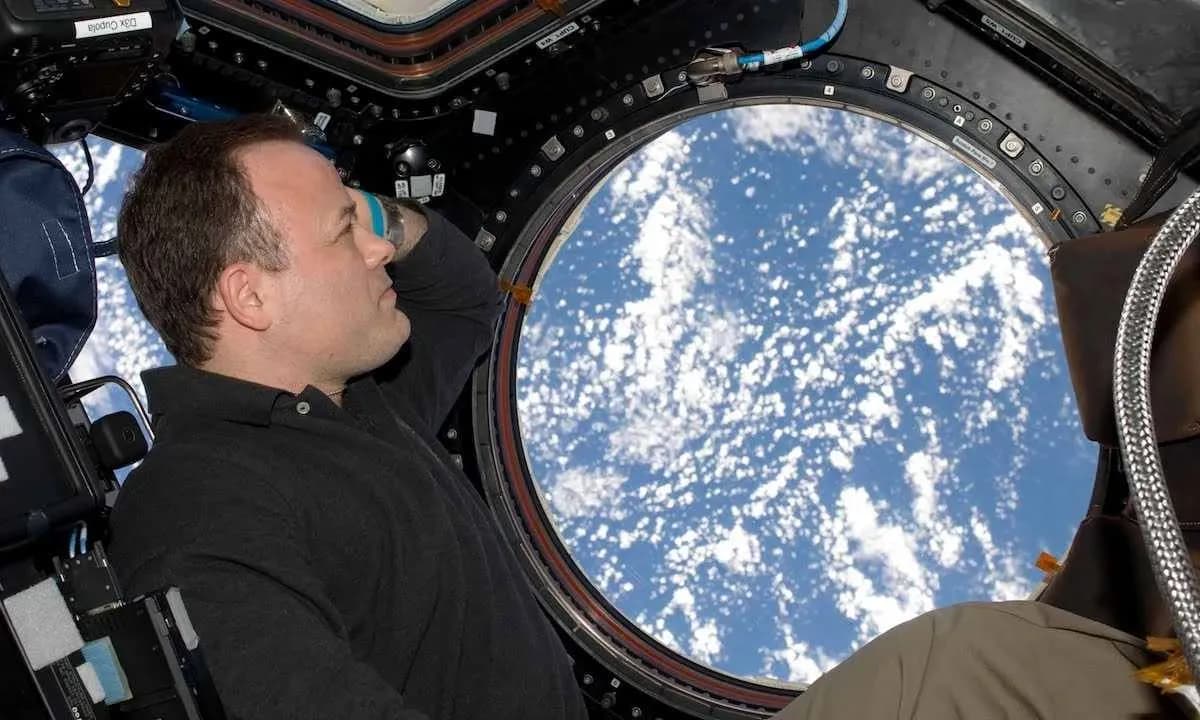
Imagine floating hundreds of miles above Earth, circling the planet every 90 minutes, and looking down at everything you’ve ever known. That was the reality for Ron Garan, a former NASA astronaut who spent 178 days aboard the International Space Station. Over the course of 2,842 orbits and more than 71 million miles traveled, he came to a sobering realization: humanity is living a lie.
This isn’t about conspiracy theories or the Earth being flat. What Garan experienced was something scientists call the overview effect. It’s a psychological shift that happens when astronauts view Earth from space without any borders, divisions, or man-made systems in sight. Many describe it as a state of awe—an overwhelming emotion where you suddenly see the fragility of life and the interconnectedness of everything on our planet.
For Garan, the moment came as he gazed out of the ISS window. He saw lightning storms flashing like paparazzi bulbs across continents. He watched curtains of green and purple auroras dancing so close, it felt like he could reach out and touch them.
And then came the most haunting sight of all: the unbelievably thin line of Earth’s atmosphere, glowing faintly against the darkness of space. That delicate film, he realized, is all that separates every living being from the deadly vacuum beyond.
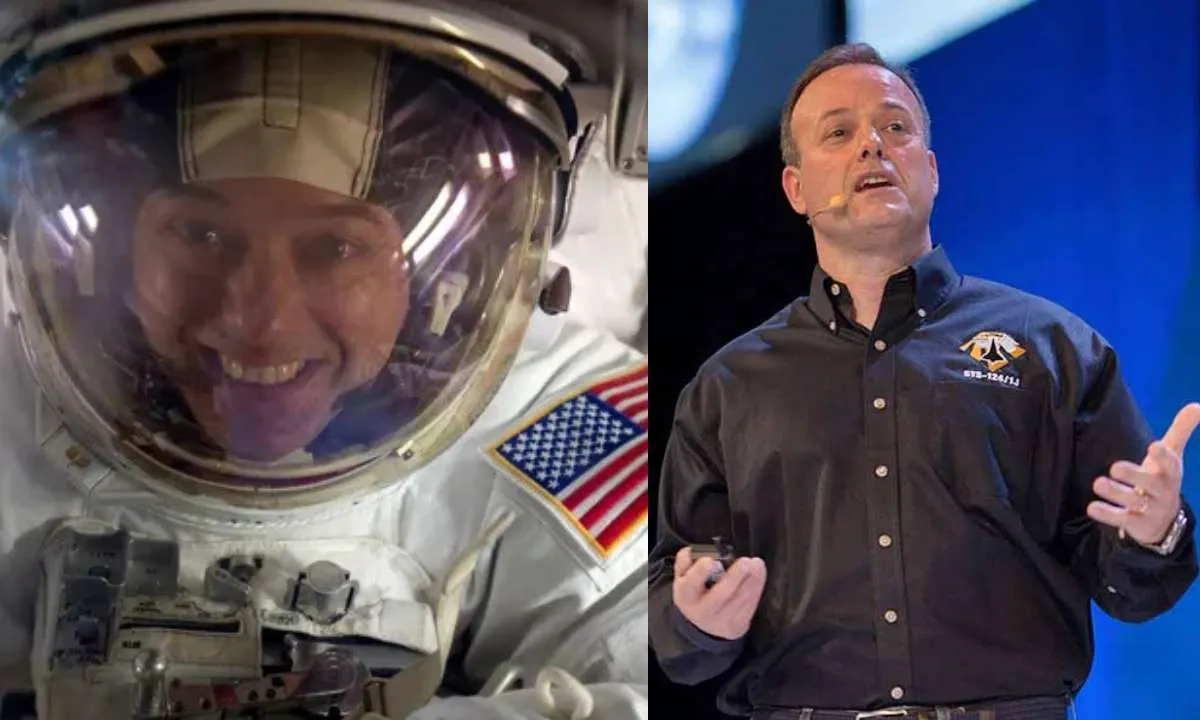
From that vantage point, Garan didn’t see the economy, the thing most of us are consumed by on Earth. What he did see was an iridescent biosphere—alive, beautiful, and fragile. The shock came when he thought about how our human-made systems treat even the planet’s life-supporting atmosphere as just another resource, something owned by the global economy. From orbit, it was clear to him: we’re living a lie.
He explained it simply: our priorities are upside down. We tend to put the economy first, followed by society, and only then think of the planet—if at all. But in reality, it should be the opposite.
“We need to move from thinking economy, society, planet to planet, society, economy,”
Garan said.
Only by reversing the order can humanity continue to evolve in a way that ensures survival.
This insight wasn’t just about environmental issues—it was about perspective. Garan emphasized that our greatest threats come from things like global warming, deforestation, and biodiversity loss, not from the daily problems that dominate our news feeds or social media arguments. From space, the pettiness of human conflicts fades. Borders disappear. Political divisions vanish. What’s left is one shared home, where every life depends on that thin atmospheric shield.
He also spoke about the light bulb moment many astronauts experience—the realization that all humans are interconnected and interdependent.
“We’re not going to have peace on Earth until we recognize the basic fact of the interrelated structure of all reality,”
Garan said.
He’s not the only one to feel this way. Actor William Shatner, who traveled into space later in life, described being overwhelmed by grief when he saw the contrast between the cold emptiness of space and the nurturing warmth of Earth. For him, too, the fragility of the planet became painfully clear.
Garan warns that humanity is paying a “high price” for failing to develop this planetary perspective. Economic progress may bring comfort to some, but it often comes at the cost of the ecosystems that keep us alive. It’s like, he says, cutting off our nose to spite our face.
And yet, despite the dire message, Garan remains hopeful. He believes that if more people could see Earth as astronauts do, we could shift our priorities and finally start acting like crewmates on a shared spaceship rather than passengers taking it for granted. If we can move beyond the “us versus them” mindset and embrace the interconnected reality of life on Earth, then maybe, just maybe, we’ll stop floating in darkness and step into a future we all want to be part of.
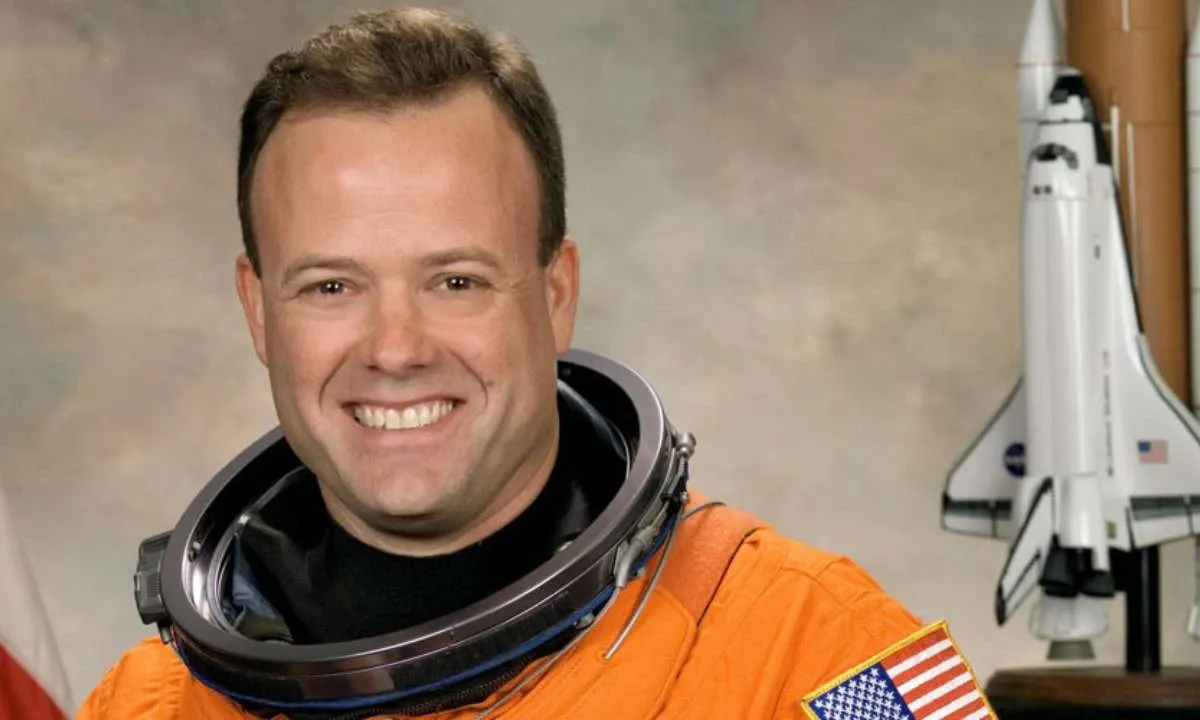
From his unique view above the world, Ron Garan’s message is simple but profound: our survival depends on remembering that the planet comes first. Everything else follows.
Disclosure: We may earn a commission when you make a purchase through the ads.