AP Bangkok, Dec 17 — Asian shares were mixed on Wednesday as technology-focused gains helped lift some benchmarks, while oil prices rose more than 1% after President Donald Trump ordered a blockade of sanctioned oil tankers bound for Venezuela. The move comes after last week’s seizure of an oil tanker off Venezuela’s coast and signals a further tightening of pressure on Nicolás Maduro’s government amid a regional buildup.
In Tokyo, the Nikkei 225 slipped 0.3% to 49,237.58 as traders awaited a decision on a potential Bank of Japan rate hike later in the week. Manufacturing data showed machinery orders falling 6.8% in October, pointing to ongoing weakness in factory activity. China’s markets were modestly higher, with Hang Seng up around 0.2% and the Shanghai Composite also up about 0.2%.

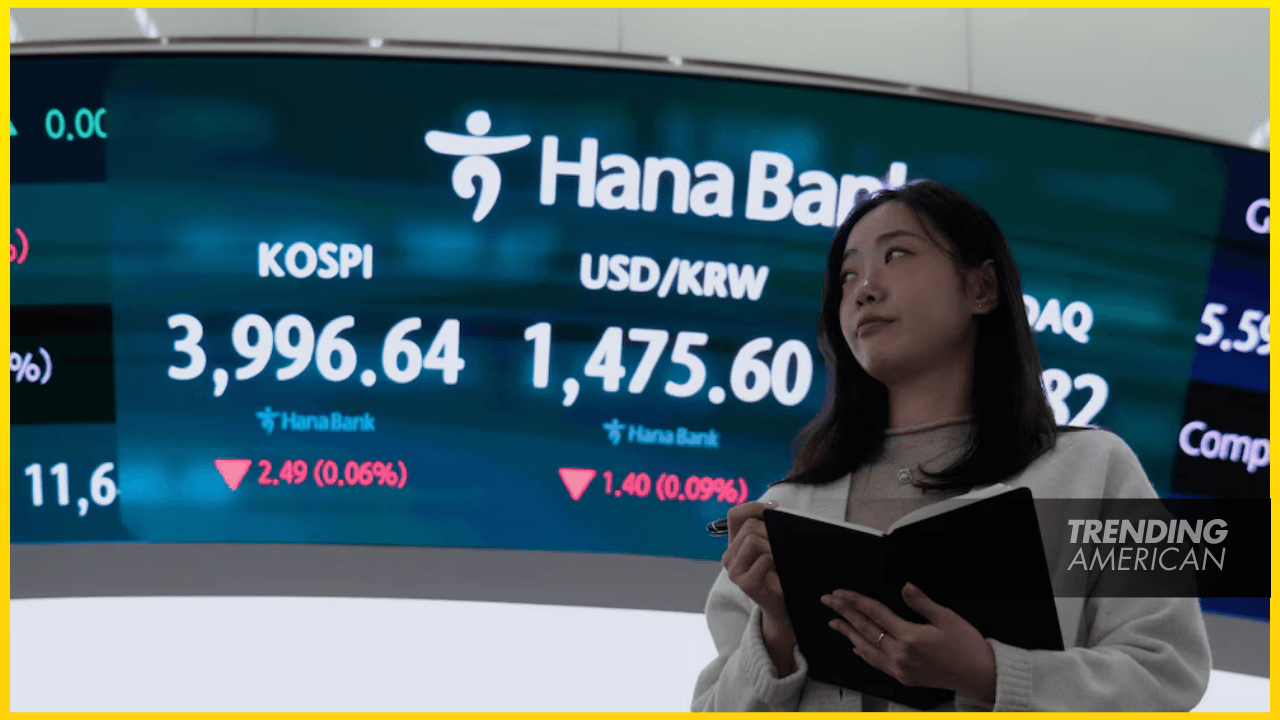
Across the region, South Korea’s Kospi rose 0.7% to 4,028.93, lifted by gains in computer-chip makers such as SK Hynix (about +2.8%) and a 3.6% jump for Samsung Electronics. Australia’s S&P/ASX 200 edged down 0.2% to 8,581.00.
Back in the United States, trading on Tuesday had left major indices mixed, with the S&P 500 down 0.2% to 6,800.26, the Dow Jones Industrial Average down 0.6% to 48,114.26, and the Nasdaq composite up 0.2% to 23,111.46. Investors weighed data showing inflation pressures and a still uncertain path for interest rates, keeping hopes alive for possible Federal Reserve rate cuts in 2026.
Oil markets moved higher on the news. Early Wednesday, U.S. crude rose 73 cents to $56.00 per barrel, while Brent gained 71 cents to $59.63. In the corporate space, AI-related stocks showed a mixed picture: Oracle rose about 2% and Broadcom added roughly 0.4%, even as CoreWeave fell about 3.9% on concerns over AI spending profitability.
Meanwhile, the foreign exchange market saw the U.S. dollar strengthening against the yen to around 155.12 yen, and the euro easing to about $1.173 per euro. The blockade of sanctioned oil shipments is aimed at pressuring Maduro’s regime as Western allies monitor the evolving sanctions regime and any countermeasures.
AP Business Writers Matt Ott and Stan Choe contributed.
Disclosure: We may earn a commission when you make a purchase through the ads.