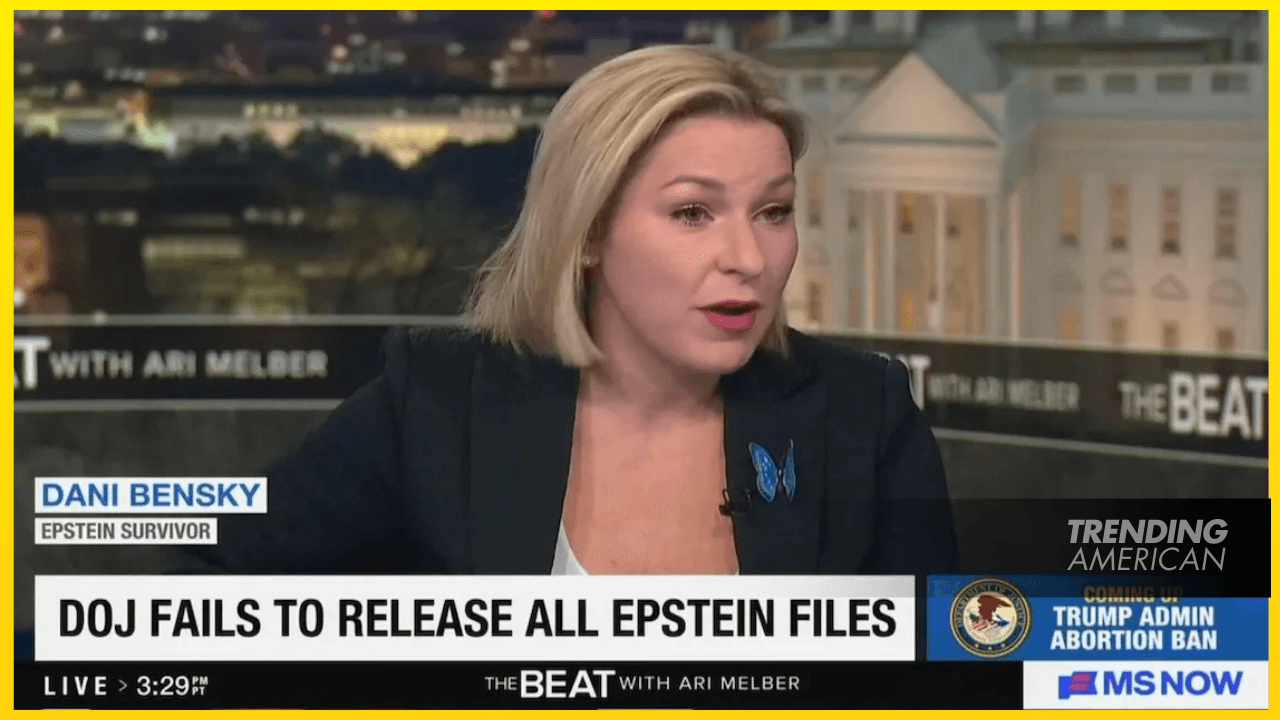
The U.S. Department of Justice began releasing thousands of Epstein-related documents and photographs on December 19, 2025, under the Epstein Files Transparency Act, a bipartisan measure aimed at making unclassified records about the Epstein investigation publicly accessible. The initial tranche included a large volume of materials, many of them heavily redacted, and some items published with limited searchability. Survivors Dani Bensky and Maria Farmer welcomed the move as meaningful validation of their stories, but both described the release as incomplete and difficult to sift through as investigations continue.
Bensky called the moment powerful yet tinged with frustration, noting that meaningful context is often obscured by redactions and missing metadata. Farmer echoed the sentiment, saying the documents represent a step toward accountability but that the public deserves a full, searchable corpus without the heavy redactions that impede understanding of what happened and who was involved.
The release drew a mixed chorus among lawmakers and public figures. Supporters argued that the disclosure advances transparency and accountability by shining a light on Epstein’s case and the people connected to it, including celebrities and political figures who have long been the subject of speculation. Critics, however, criticized the handling of redactions and the scope of the release, arguing that crucial materials—such as client lists and certain communications—remain inaccessible, limiting the documents’ usefulness and the public’s ability to verify claims.
DOJ officials explained that the rollout would continue in the weeks ahead under the Epstein Files Transparency Act, with Deputy Attorney General Todd Blanche outlining a process to process, redact, and stage additional documents. He stressed that what was released represented the unclassified portion and that more materials would follow, potentially including files subject to pending determinations or sensitive considerations.
Public statements from White House aides, and from associates of Bill Clinton and other figures mentioned in the Epstein materials, framed the release as a step toward transparency while urging readers to consider the broader context and the ongoing nature of the investigations. NBC News live coverage and a companion set of takeaways highlighted that while the release included thousands of documents and photographs, there were no bombshells or comprehensive client lists, and much of the materials focus on ancillary aspects of Epstein’s network rather than a simple docket of revelations.
As the Epstein Files Transparency Act continues to unwind, the real test will be whether the next waves of documents provide greater clarity and accessibility. The initial release is widely viewed as a cautious but meaningful step toward accountability, even as questions about scope, redactions, and searchability remain at the forefront of survivors’ and lawmakers’ discussions.