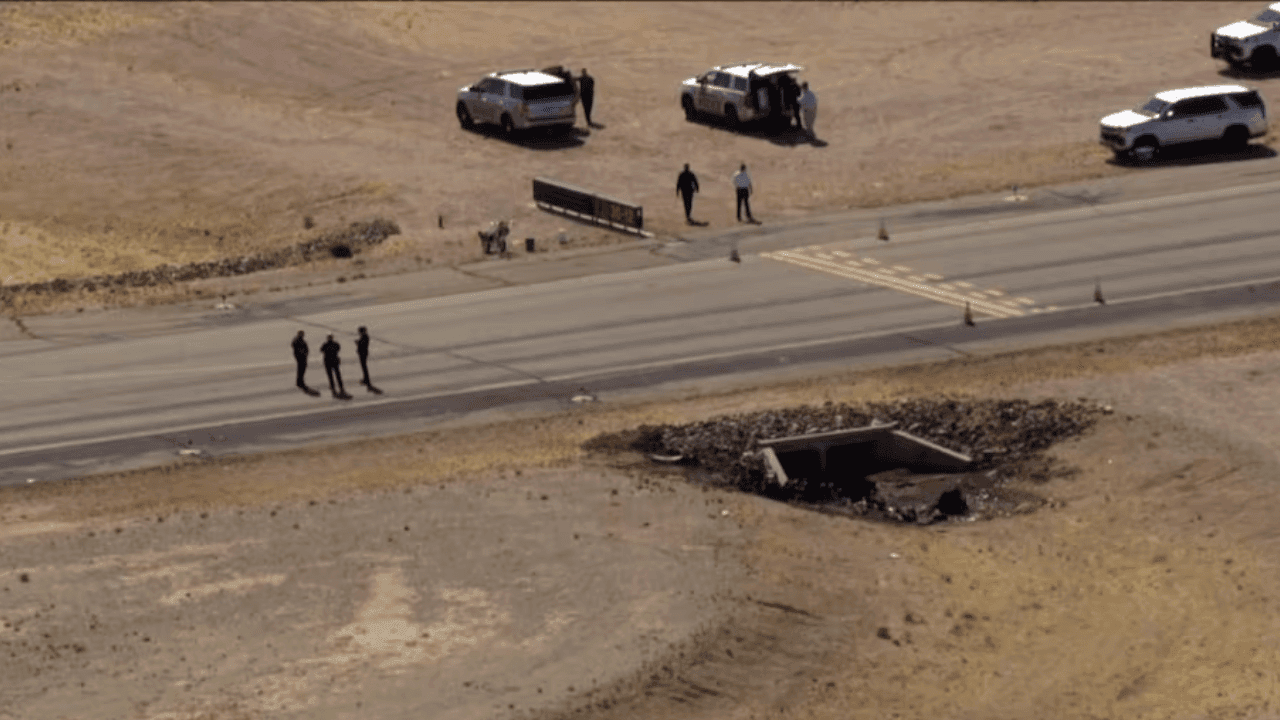
On the morning of February 19, 2025, two small aircraft, a Lancair 360 MK II and a Cessna 172S, collided near Marana Regional Airport, a small uncontrolled field situated 21 miles northwest of Tucson.
According to the Federal Aviation Administration (FAA), each plane was carrying two people. Sadly, the collision resulted in the deaths of both occupants aboard one of the aircraft; the fate of the passengers on the other remains a somber curiosity.
This incident is more than just a reflection of tragic errors in airspace. It brings to light the implications such accidents have on aviation safety protocols and underscores the critical importance of maintaining them, particularly in uncontrolled airspace—areas devoid of ATC oversight.
Experts stress that pilots here depend on mutual communication to avert potential threats, a system that remains differently organized compared to towered airspaces.
In an unexpected twist, the scene becomes more perplexing as reports confirm that the Cessna managed to land uneventfully, whereas the Lancair tragically met with the terrain near runway 3, resulting in a post-impact fire, according to the National Transportation Safety Board (NTSB). Moreover, the incident highlights the vulnerabilities of single-engine planes often disregarded in the broader scope of aviation discussions.
The ripple effects go beyond the crash site, echoing with aviation stakeholders and affected families. Debates focusing on aviation safety, especially concerning smaller, uncontrolled airports like Marana’s, may gain renewed vigor. Discussions on tighter regulations and mandatory traffic controls emerge as aeronautical authorities comb over the details to prevent future occurrences.
Planetary safety specialists lean into the minutiae, hoping to unravel the sequence of events that led to the tragic criss-cross of paths heralding from tragic overlaps in routes or communication breakdowns.
As investigations continue, the aviation community rallies, hoping for insights that would forge a safer flight path and aid in preventing future catastrophes.
This poignant incident not only administers a fresh look into aviation safety but also touches on the delicate balance of responsibility carried by the machines and the men steering their journeys.
Marana’s skies hold memories now, a testament to the immutable risks charted in every flight plan. Onward, aviation must look, learning from trials of turbulence, to avert the darkness that sometimes cloaks the blue horizon.