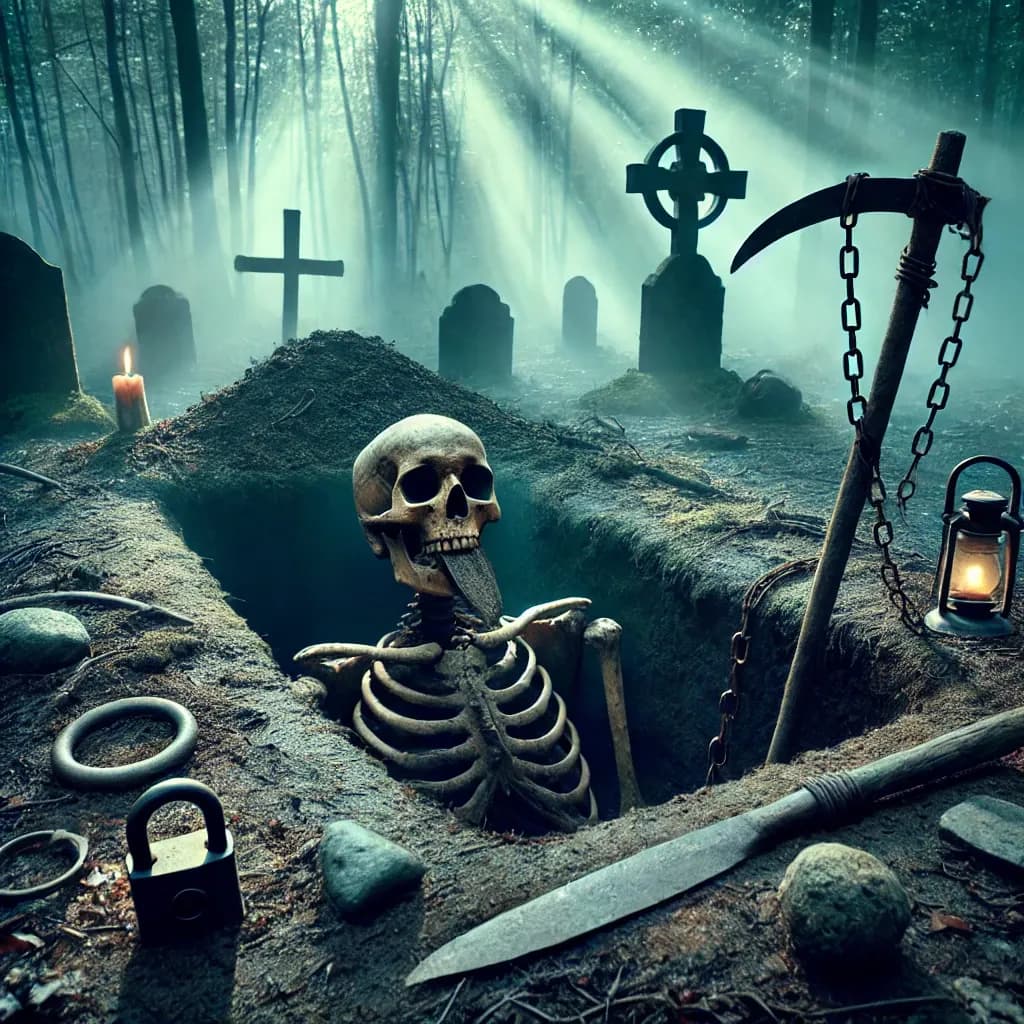
Imagine stumbling upon an ancient grave in a quiet European countryside. The skeleton lies still, but around its neck is a rusted sickle, poised as if ready to slice should the body try to move. Nearby, another grave reveals a skeleton with a stone crammed in its mouth. It’s eerie, right? These aren’t scenes from a horror movie—they’re real archaeological discoveries known as “vampire burials.”
Where and When Did These Strange Burials Take Place?
Throughout Eastern Europe, especially in Poland, Romania, and Italy, strange burial sites have been found. They date back centuries, from the 3rd century AD to the 17th century, an era full of disease outbreaks and superstitions. Death was everywhere, especially during times of plague. People were scared, searching for explanations and protection from forces they couldn’t understand. And so, when someone died under odd or sudden circumstances, suspicions arose. Could this person come back to life? Would they bring harm to the living?
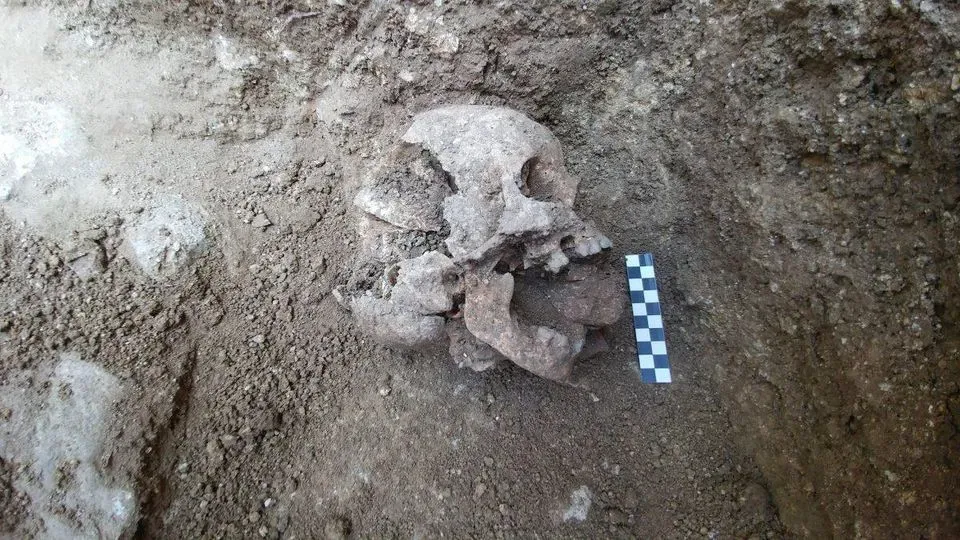
The Fear Behind Vampire Burials
In an era of very little medical knowledge, unexplained diseases and epidemics terrified people. Death was ominous, often seen as contagious and supernatural. Communities started fearing that certain people, especially those who died mysteriously, might return as vampires. The deceased who were buried in odd ways—perhaps with padlocks on their ankles or large stones on their chests—were thought to have posed a special danger. These weren’t random rituals; they were carefully planned methods meant to keep the dead from coming back.
How Were Vampires “Kept” in Their Graves?
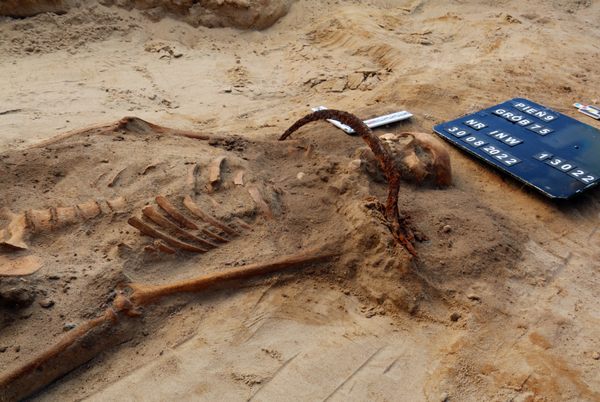
Now, here’s where it gets fascinating. People used all sorts of creative tricks to keep the dead where they belonged. The sickle across the neck? It was supposed to slice through the head if the corpse moved. Stones or bricks jammed in the mouth? These were believed to block any attempt at biting or speaking. Some bodies were found face-down, disoriented, so they couldn’t “find” their way out. And in some Polish burials, archaeologists found skeletons with padlocks on their feet, as if locking the body in the grave!
But Were They Really Vampires?
It’s a spine-tingling question. Today, we might see these practices as superstition, but it’s curious how widespread they were. Why did so many different places believe the dead might return? Were they protecting against disease, or was there something more to these stories? We may never know if they were warding off illness or something more sinister.
In the end, vampire burials give us a glimpse into ancient fears, ones that might still tickle the imagination today. After all, these graves still whisper of a world where the line between life and death was thin—and the undead might have been just a heartbeat away.