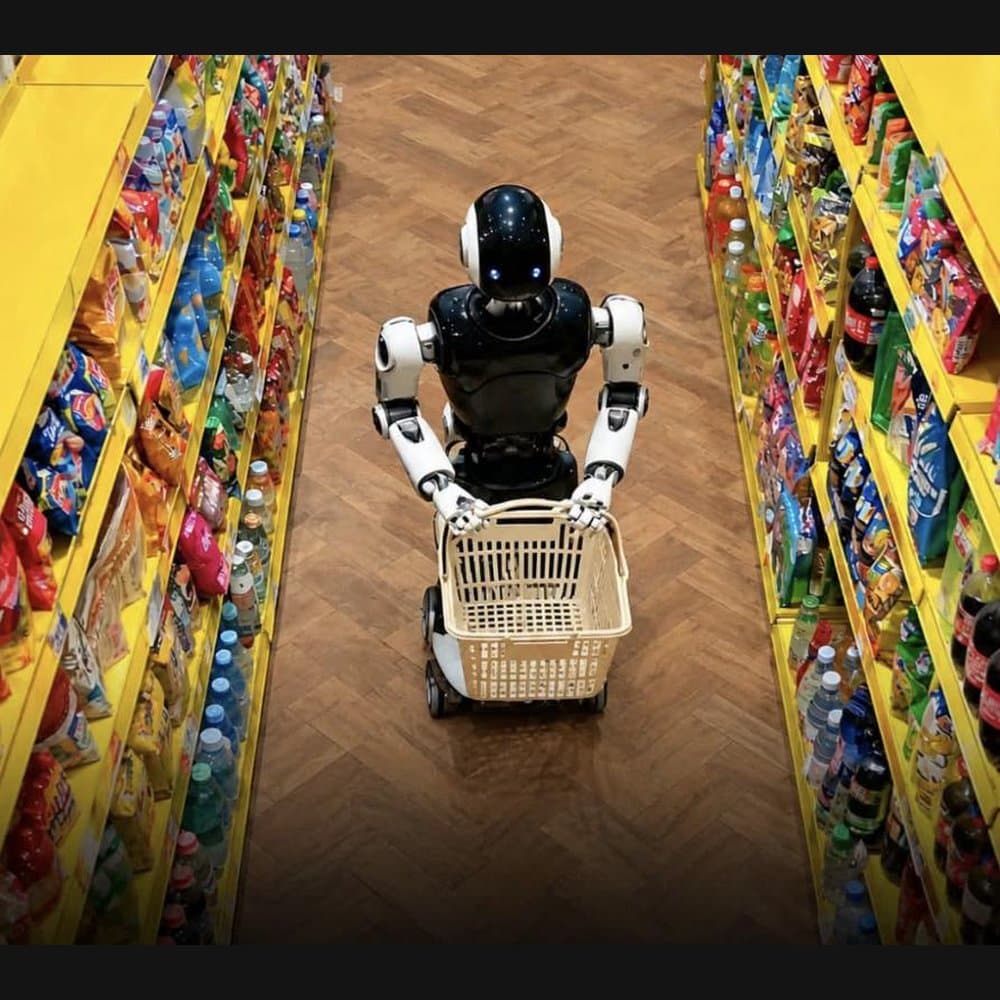
Two robots failed to graduate from a 24-hour convenience-store trial in China, inspiring headlines about machines being fired for laziness. The underlying event was a company demonstration, and the supposed bad attitudes were human descriptions of performance problems.
Agibot publicized the challenge through its official social-media account, presenting six G2 robots as store trainees working through a full day. The event was promoted as a test of continuous convenience-store work.
What the trial reported
IT Home’s coverage reported that four of the six machines passed the assessment. The other two remained under observation instead of becoming official employees in the demonstration’s terminology.
The tasks included stocking and checking shelves, cleaning and serving customers. A cleaning unit encountered a problem involving a rubbish bin and its route. Another unit assigned to shelf checks was described as lacking initiative and failing to keep up.
Dexerto’s November 4 account traced the viral framing to those performance descriptions. It reported that the four successful units completed nearly 2,000 tasks, a figure that should be understood as a reported demonstration result rather than an independent long-term productivity audit.
Robots do not need enthusiasm
Words such as lazy, enthusiastic and fired make the story easy to share. They do not establish that a robot experiences motivation, resentment or boredom. A machine can fail to recognize a situation, select a useful action or recover from an obstacle without possessing a human attitude.
The distinction is important because the experiment tests capabilities, not character. A full day in a store involves changing conditions, customers moving unpredictably and tasks that do not always follow a fixed sequence. Completing a prepared action is only one part of handling that environment.
What one day can show
The trial offers a glimpse of the gaps between an impressive robotics demonstration and dependable everyday work. It does not by itself establish maintenance costs, long-term reliability or whether the machines can economically replace human staff.
The memorable headline is about robots losing their jobs. The more useful story is that two machines still needed improvement after a demanding retail test—and that the company’s own promotional language helped turn that result into a workplace comedy.