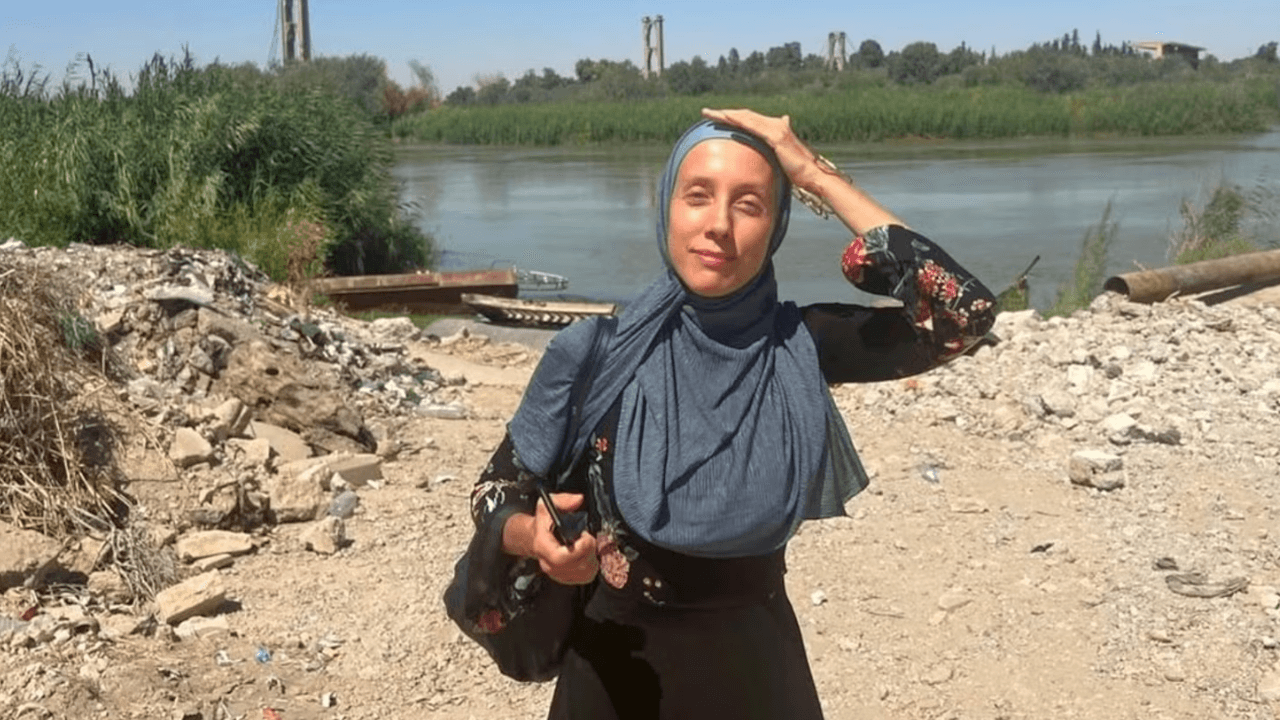
An American journalist kidnapped in broad daylight is now free.
U.S. Secretary of State Marco Rubio confirmed late Tuesday that Shelly Kittleson, a 49-year-old freelance journalist, has been released after being abducted in Baghdad on March 31.
“We are relieved that this American is now free,” Rubio said in a statement. He also thanked the FBI, the Pentagon, and Iraqi partners for helping secure her release.
Kidnapping Caught on Camera
Kittleson was taken off a street in Baghdad in a shocking daytime abduction. Security footage verified by authorities showed multiple men forcing her into a vehicle before speeding away.
The Iraqi Ministry of Interior confirmed the incident, which quickly raised concerns about the safety of journalists in the region.
More details on U.S. efforts to protect citizens abroad can be found at U.S. Department of State.
Militant Group Claims Responsibility
An Iran-backed group known as Hezbollah Brigades, also called Kataib Hezbollah, announced that it would release Kittleson. A security official from the group said the release came with a condition that she leave Iraq immediately.
The group warned that similar actions would not happen again, citing ongoing conflict in the region.
Reuters reported on the developments in the case and regional tensions at Reuters.
Warnings Before the Abduction
U.S. officials had warned Kittleson multiple times about threats to her safety, according to reports. Despite this, she continued her reporting work in Iraq.
Colleagues described her as experienced and cautious. Kiran Nazish, director of the Coalition for Women in Journalism, said Kittleson had a strong network and was known for being careful.
Threats against journalists in Iraq and the wider Middle East remain common, especially during times of conflict.
A Safe Return Underway
U.S. officials say they are now working to ensure Kittleson’s safe departure from Iraq. Her current condition has not been publicly detailed.
The case highlights ongoing risks for journalists working in conflict zones. It also shows the complexity of securing releases in regions with active militant groups.
What This Means Going Forward
Kittleson’s release comes as tensions in the Middle East continue to rise. The incident raises new questions about journalist safety and U.S. involvement in the region.
For now, there is relief that she survived. But her story is a reminder of the dangers faced by reporters working on the front lines of global conflict.