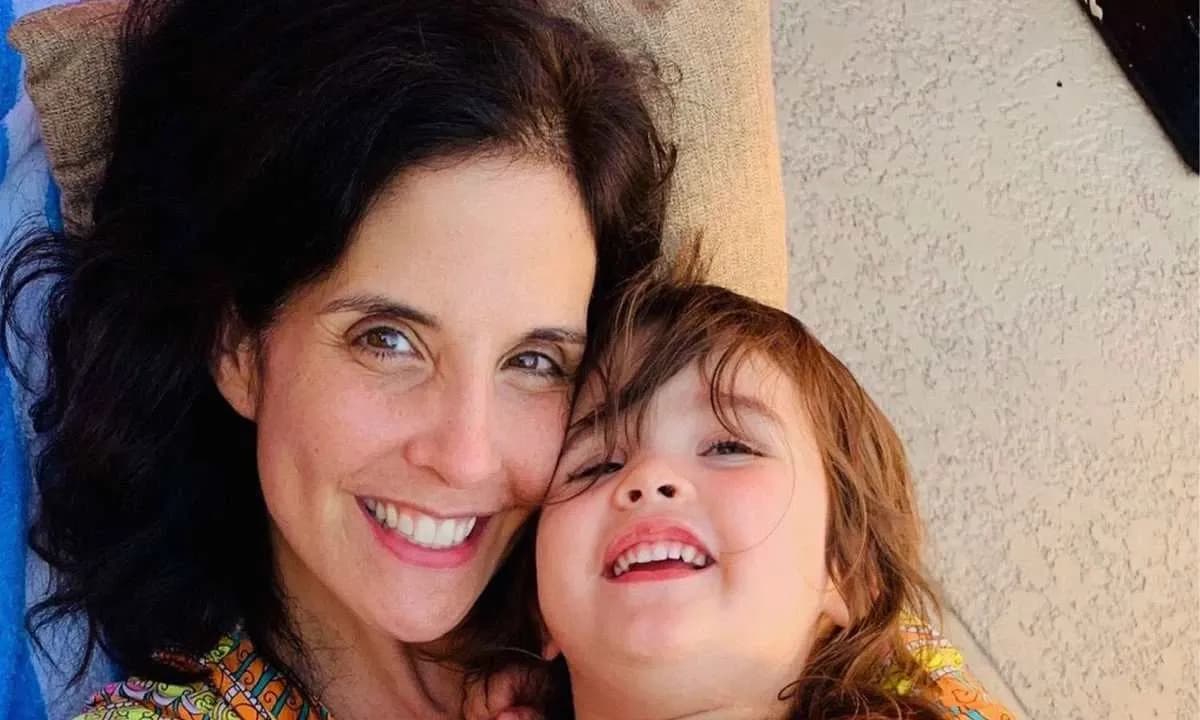
Blakely McCrory was only 8 years old when she went to Camp Mystic for the first time this summer. It was a special place for her family — her mother Lindsey, her stepmother, her sisters, and even her grandmother had all gone to this same camp on the Guadalupe River in Texas Hill Country. Blakely was the third generation to follow in their footsteps.
Her mom described her as “ecstatic” to be there. She loved everything about the outdoors, and the camp offered her all of it — swimming, horseback riding, basketball, fishing, and spending time with new friends in a cabin full of girls.
For Blakely, it was like the biggest sleepover ever. She had been at the camp for only five days when disaster struck.
On July 4, Lindsey was in Europe attending a wedding with her sister when she heard there was flooding at Camp Mystic. Her first thought was that it would be just like her own memory of a flood there in 1987 — a rainy day spent playing board games inside a cozy cabin. She imagined her daughter laughing with friends, safe indoors, waiting for the storm to pass.
But it didn’t pass.
Later that day, Lindsey got a call from a close friend who told her that some campers were missing. When she checked her voicemail, there was a message from the camp. Blakely was one of the children who hadn’t been found.
She immediately booked a flight back home to Texas, praying for good news. Her older son, Brady — who Blakely lovingly called “Bro-Bro” — and his mom went to an evacuation center near the camp to try and find her. But there was no sign of Blakely. Still, Lindsey held on to hope. Maybe she and a counselor were somewhere safe but just couldn’t reach out. Maybe they were lost but okay.
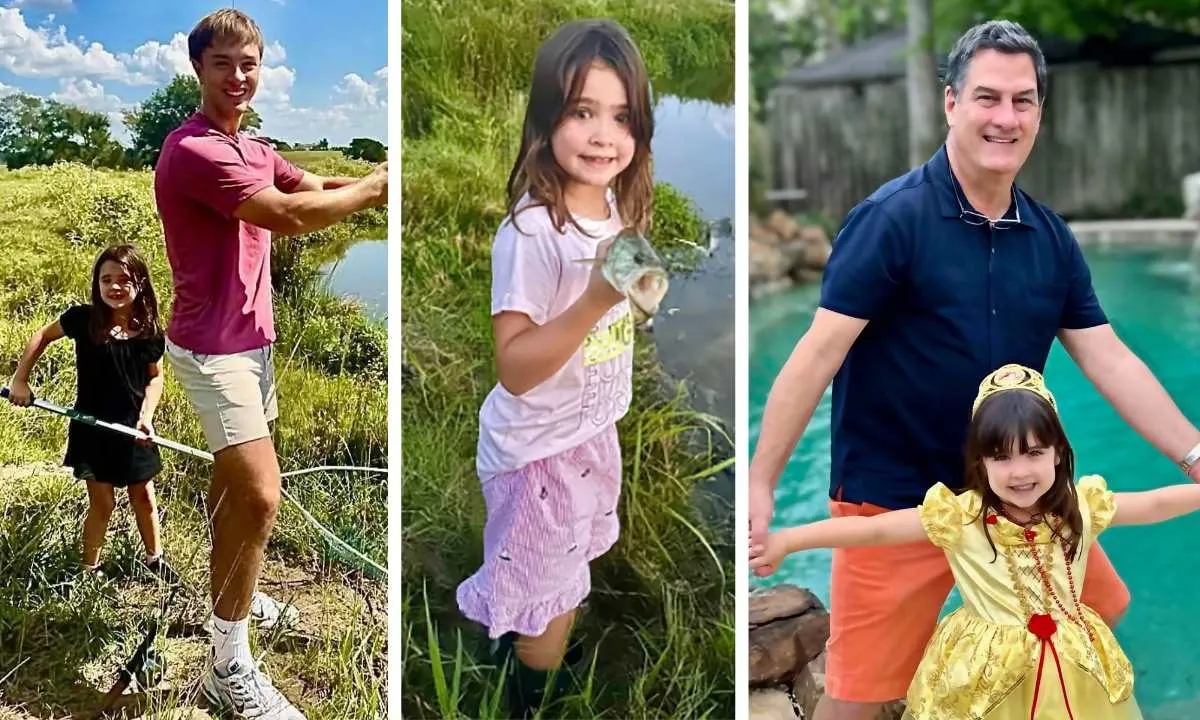
But by Monday night, the truth came. Blakely had died in the flood.
At least 27 children and staff members at Camp Mystic lost their lives that day. The Guadalupe River, which runs alongside the camp, had risen over 26 feet in just 45 minutes after intense rain hit the region. The area, known as “Flash Flood Alley,” saw one of the deadliest floods in over a century. In total, the July 4th floods in the Texas Hill Country claimed at least 109 lives, with 87 in Kerr County alone.
Camp Mystic housed around 750 campers when the floodwaters surged. Most were evacuated or rescued, but many were swept away before help could reach them.
Lindsey was devastated. But she also felt a strange kind of peace knowing what had happened — instead of living with the fear of the unknown. She remembered her greatest fear had always been something happening to Blakely and never knowing what or where. Knowing brought painful closure, but also a form of comfort.
Blakely had already faced loss just weeks before the flood. Her father, Blake, had passed away in March at age 59 from a heart attack. Then, just before her own death, Blakely lost her uncle, Chanse Lane McLeod, a well-known attorney in Houston, to an autoimmune illness.
Despite all this, Blakely remained strong and full of spirit. Lindsey described her as resilient, funny, and full of energy. Even after her father’s death, she kept going. She didn’t let sadness weigh her down. She was the kind of child people wanted to be around — bright, silly, and always pulling harmless pranks. Once, she even hid her pet box turtle in her mom’s purse as a joke.
And even in her last moments, Blakely was a source of comfort to others. One of her counselors shared that Blakely had encouraged other campers to stay calm and not be afraid during the rising floodwaters.
After the tragedy, as her family grieved and tried to make sense of what happened, something arrived in the mail — a letter. It was from Blakely.
She had written it before the flood, but the letter was delivered as her body was being recovered. Her grandfather, Douglas McLeod, received it.
On pre-filled camp stationery, Blakely had written: “Dear Mom, How are you? I am good.” She told her mom that camp was “amazing” and talked about how much she loved playing tennis and horseback riding.
The letter became a gift for Lindsey — a small but powerful message that her daughter had been happy in her final days.
Lindsey, who now leans heavily on her faith, says she believes Blakely is with her dad in heaven. And even though it’s painful, she doesn’t want to hide from the memories. She keeps Blakely’s photos up, talks about her, and holds on to her spirit. She says she wants to be the kind of mom who honors her daughter’s memory, not one who hides from the pain.
Now, Lindsey and her son Brady are healing together, one day at a time. They’re supported by their faith and by those around them who care. Lindsey believes that Blakely didn’t suffer, that it all happened quickly. She imagines her daughter in a peaceful, joyful place — surrounded by other children and the love of those who passed before her.
In the middle of a terrible disaster, Blakely’s short life and her final letter became a reminder of joy, love, and the strength of a little girl who lived fully, even in her last days.