Scientists tracked an unusual whale call across the North Pacific for years. What they did not establish was that its source was the loneliest animal in the ocean.
The “52-hertz whale” became a powerful cultural image: a creature calling without being understood. The research behind the nickname tells a more limited, and still remarkable, story.
A distinctive sound in a vast ocean
Woods Hole Oceanographic Institution’s account says researchers first detected the sound in 1989. It resembled a whale call but occurred at a much higher frequency than the usual blue- or fin-whale calls described in that research.
Using an underwater listening network originally built to detect submarines, the team followed the distinctive source over a 12-year study period. Its seasonal movements covered thousands of kilometers.
Researchers considered several explanations, including a hybrid animal. Its identity was not confirmed simply by recording the sound.
A frequency is not a diagnosis of loneliness
An unusual call does not by itself show that other whales cannot hear it, that the caller has no companions or that it experiences loneliness.
TIME’s reporting on a later search expedition noted scientific skepticism about interpreting the animal as isolated. The mystery subsequently inspired a documentary and further public interest.
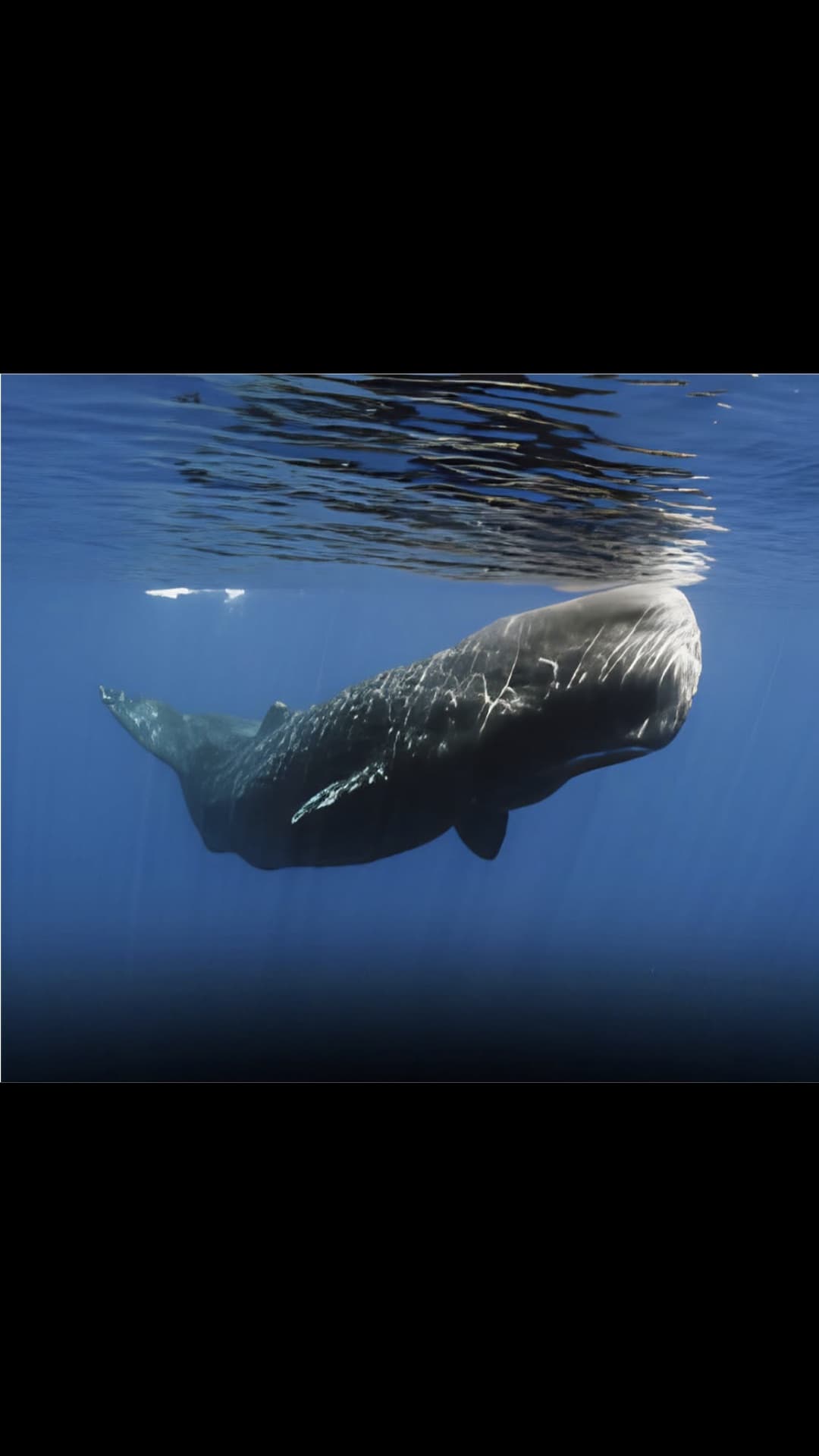
Photographs of a whale circulating with the story should therefore be treated carefully. A generic whale photograph is not an authenticated portrait of the animal behind those recordings.
The verified discovery is compelling on its own: researchers could follow a distinctive acoustic signature across an enormous expanse of ocean. The emotional narrative of an unheard, solitary whale remains an interpretation rather than an established finding.