
The astronauts of the mission Apollo 11 made a great journey. They were capable of making the first landing of human beings on another celestial body. They were also capable of enduring hard training that put their physical and mental strength to test. Even Neil Armstrong, Buzz Aldrin, and Michael Collins had to complete the full hard training program. The astronauts learned not only the technical details of how to land on the moon’s surface and investigate it but also got ready for all possible problems that were beyond prediction.
These astronauts would also undergo moon gravity training at special facilities run by NASA and learn to survive the most extreme conditions on Earth. They trained in the Nevada desert and other locations across the world on how to walk on the surface as would be on the Moon. The astronauts also trained in a number of underwater-type facilities. These simulate the weightlessness of space. Indeed, deliberate preparation paved the way for Apollo 11 and literally made the path for further space travel. Let’s dive in for the details.
The Beginnings of Astronaut Training
Training for the astronauts who would fly on the Apollo missions started long before the capability to land on the Moon developed. NASA knew from an early stage in the program that its astronauts would have to be more than just pilots. They would need to know geology, and engineering and survival techniques. It is realized that the training courses for the mission of Apollo 11 was based on previous experience with Mercury and Gemini flights. However, far more comprehensive.
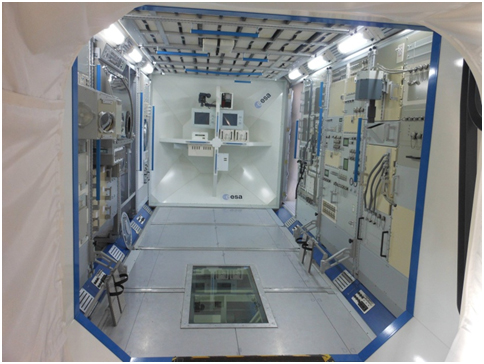 An internal view of ESA’s Columbus module training mockup, located at the European Astronaut Centre in Cologne, Germany. Astronauts must familiarize themselves with all the spacecraft components during their training. | Image source: Wikipedia
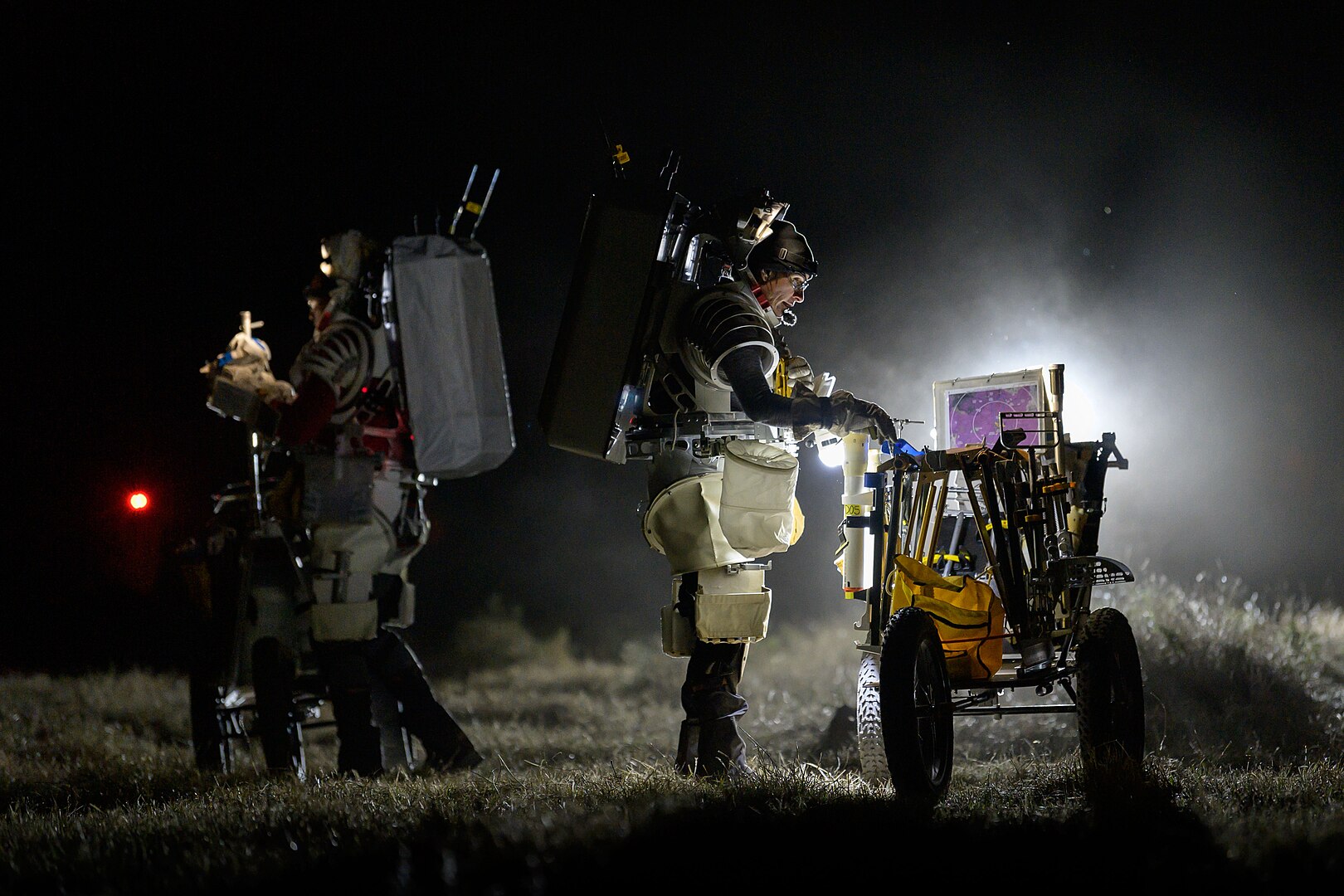 Astronauts of the Artemis program on a nighttime simulated moonwalk in the San Francisco Volcanic Field in Northern Arizona on May 16, 2024. | Image source: Wikipedia
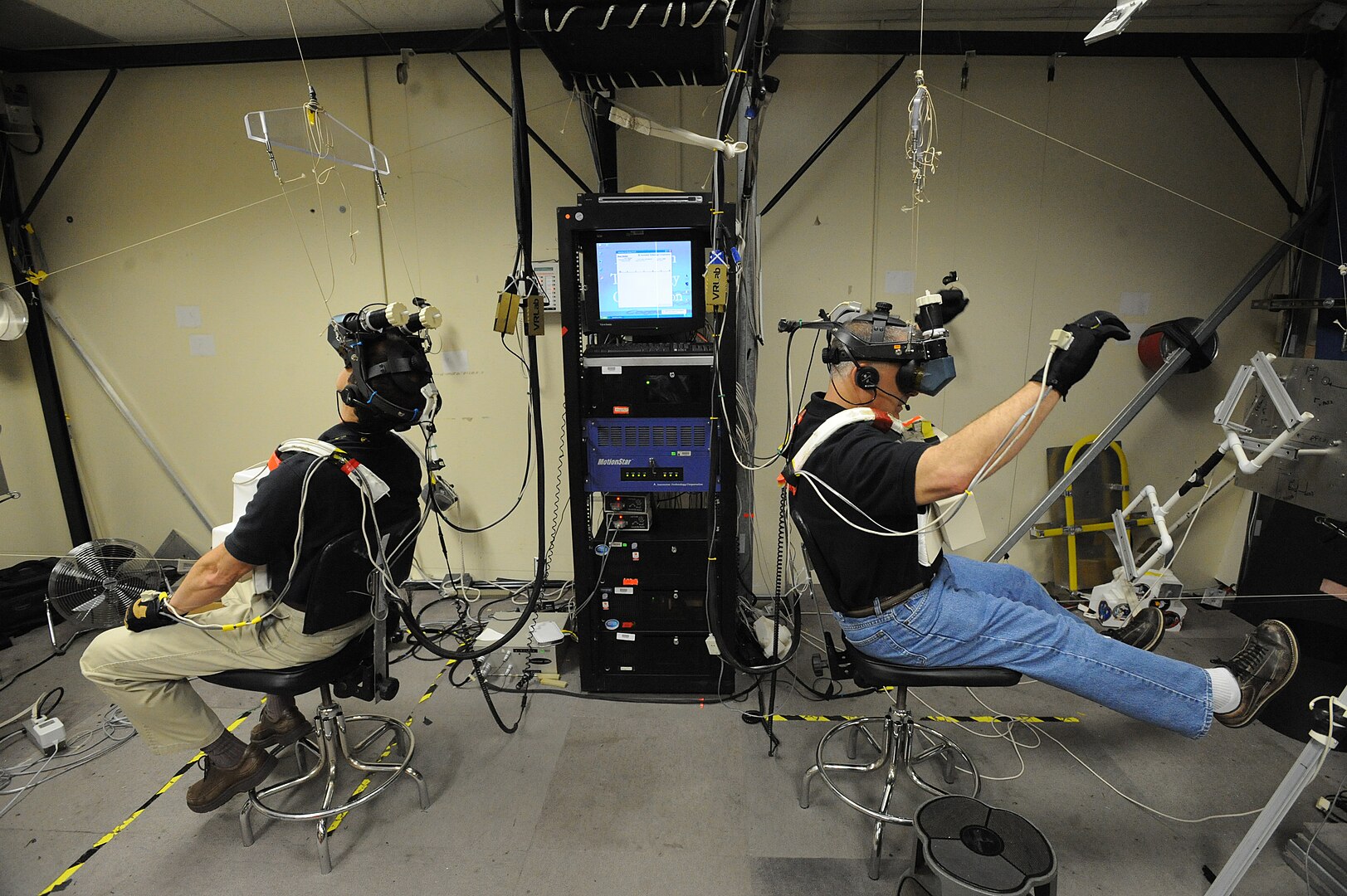 Astronauts Tom Marshburn, left, and Dave Wolf train for a spacewalk in the Integrated EVA-RMS Virtual Reality Simulator Facility at Johnson Space Center | Image source: Wikipedia
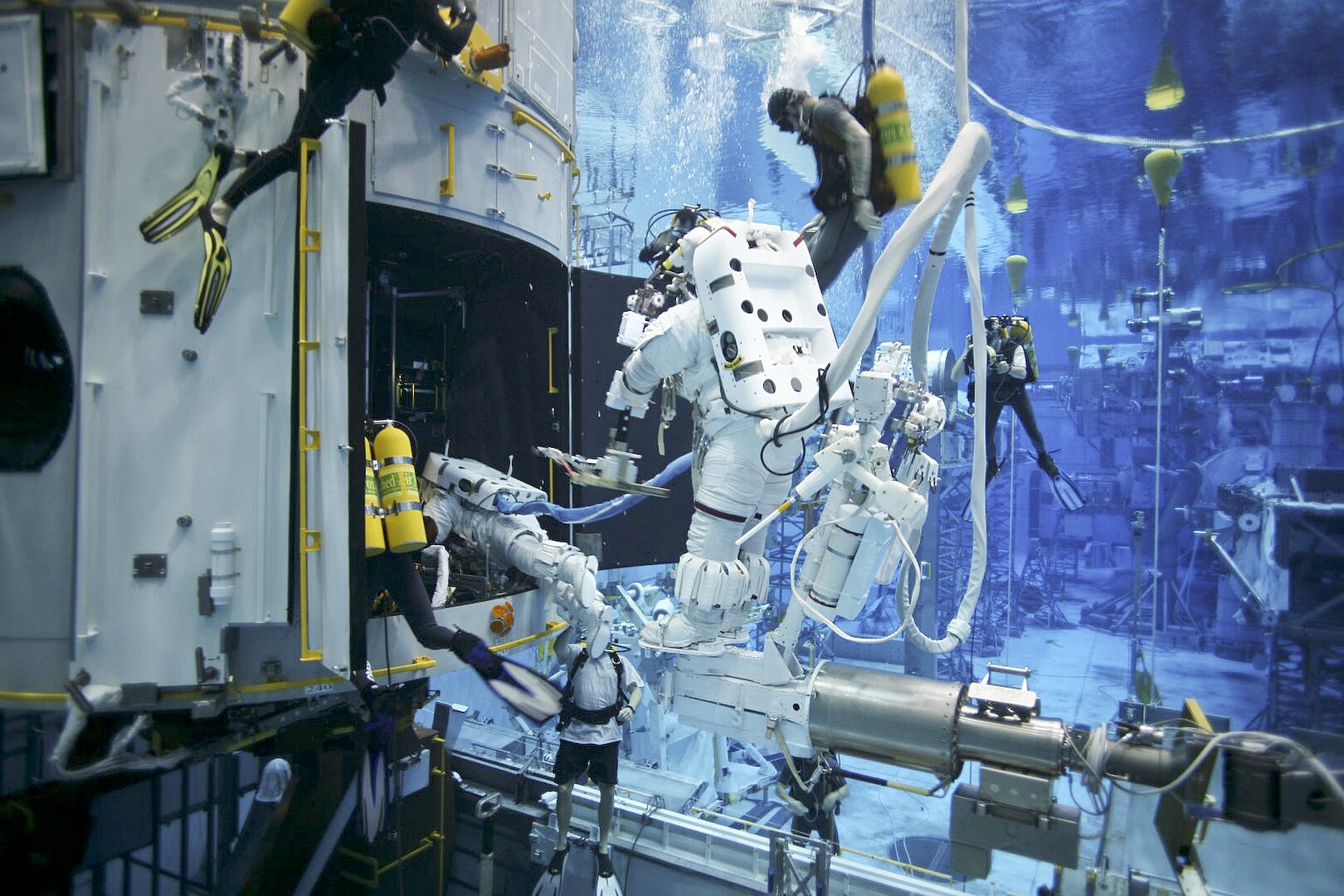 Astronauts train in the Neutral Buoyancy Facility at the Johnson Space Center in Houston, Texas | Image source: Wikipedia
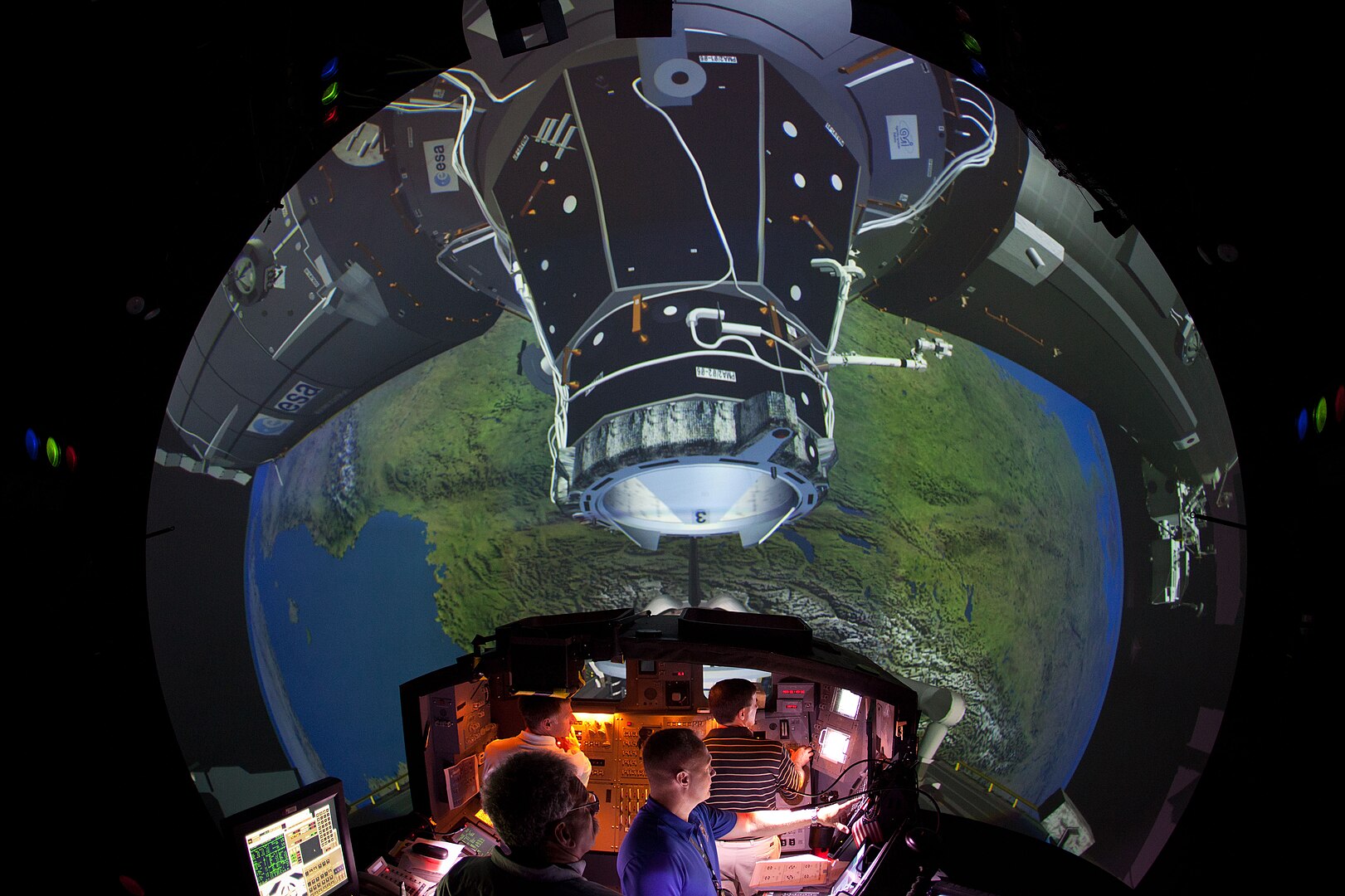 The Crew of STS-135 practices rendezvous and docking with the ISS in the Systems Engineering Simulator at the Johnson Space Center on June 28, 2011, in Houston, Texas. | Image source: Wikipedia
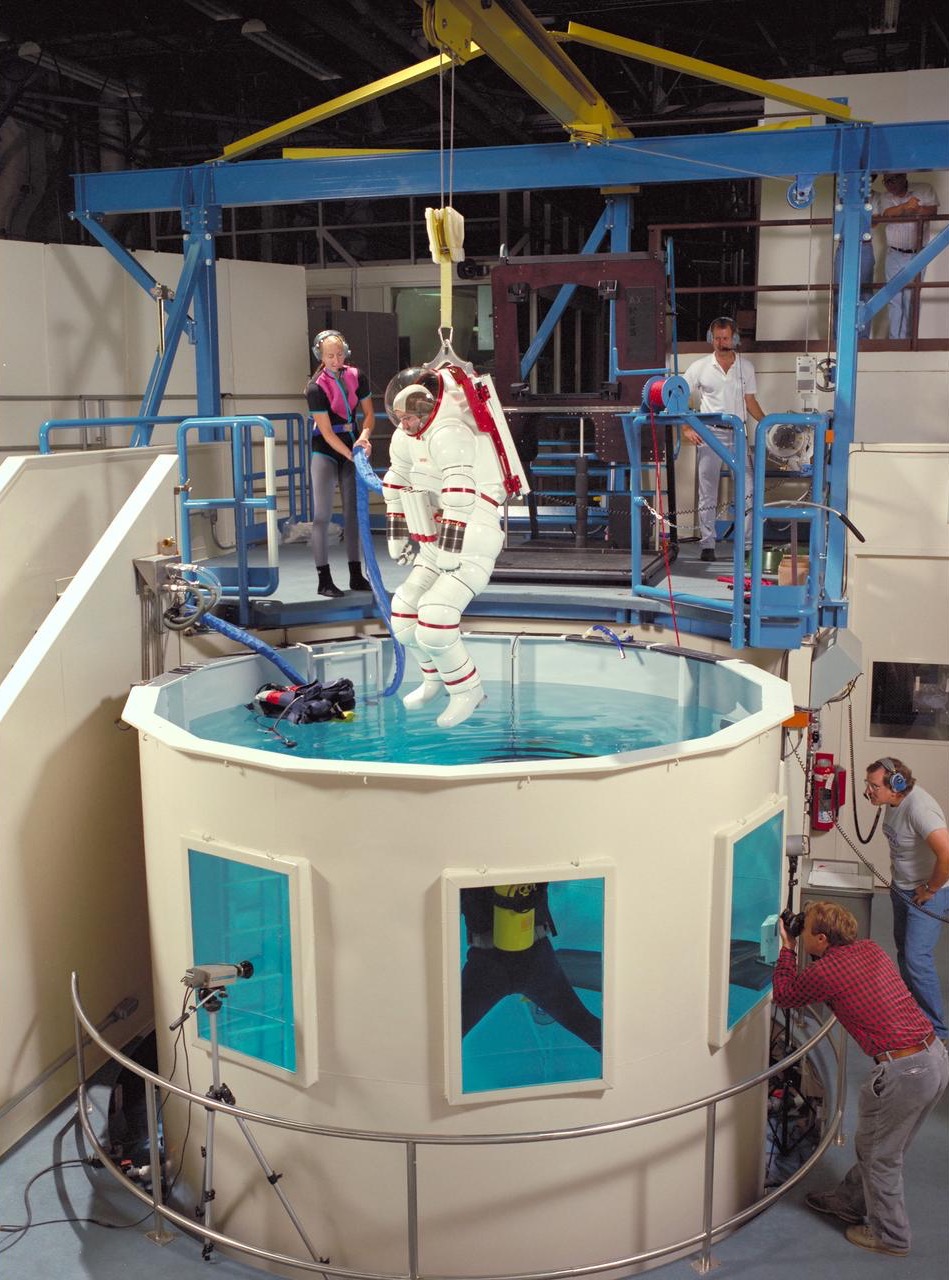 NASA astronaut tests spacesuit designs and practice spacewalks in water tank | Image source: Wikipedia
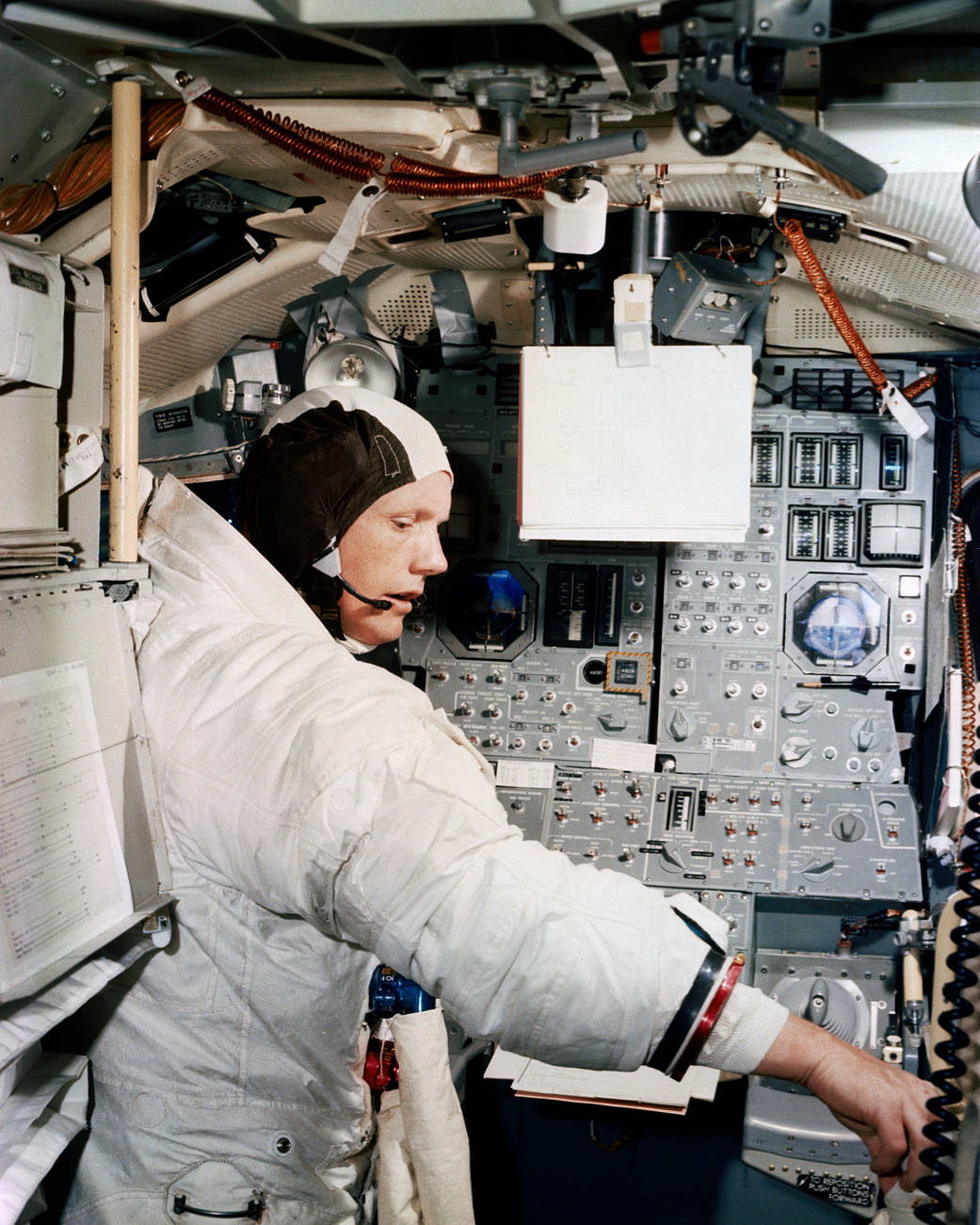 Neil Armstrong in a Lunar Module simulator prior to his journey to the Moon. | Image source: Wikipedia
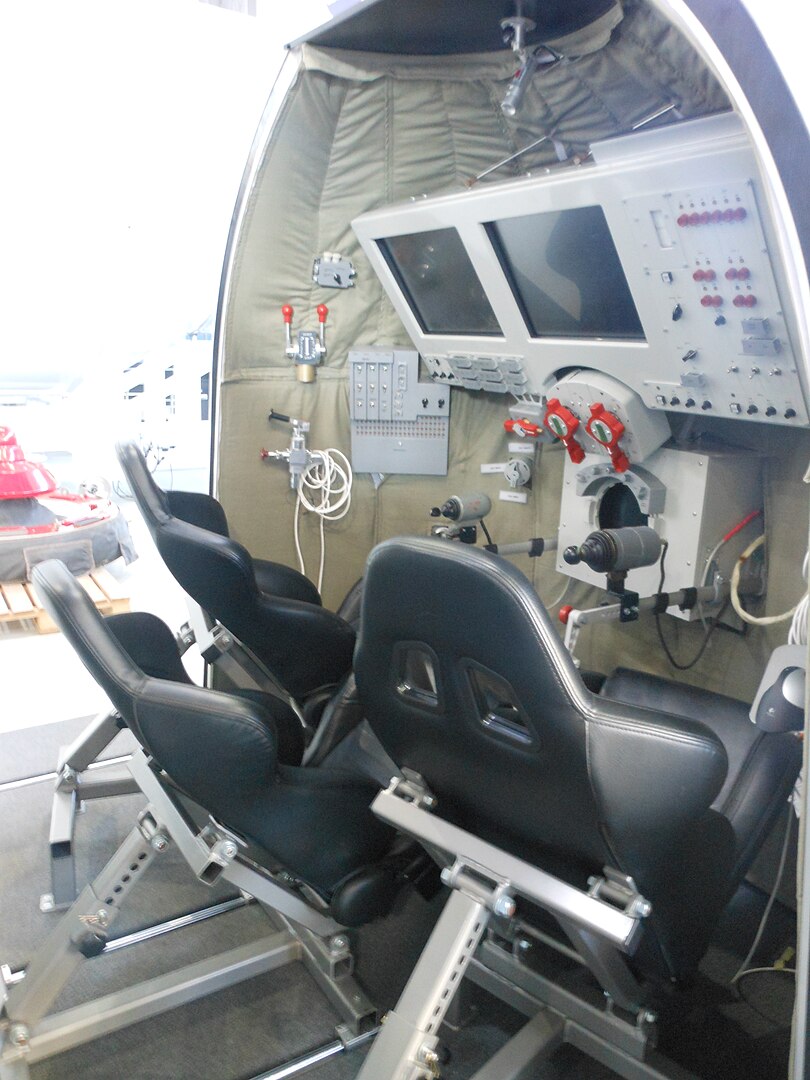 Soyuz capsule simulator located at the EAC in Cologne, Germany. ESA astronauts will simulate operations in the capsule at the EAC. | Image source: Wikipedia
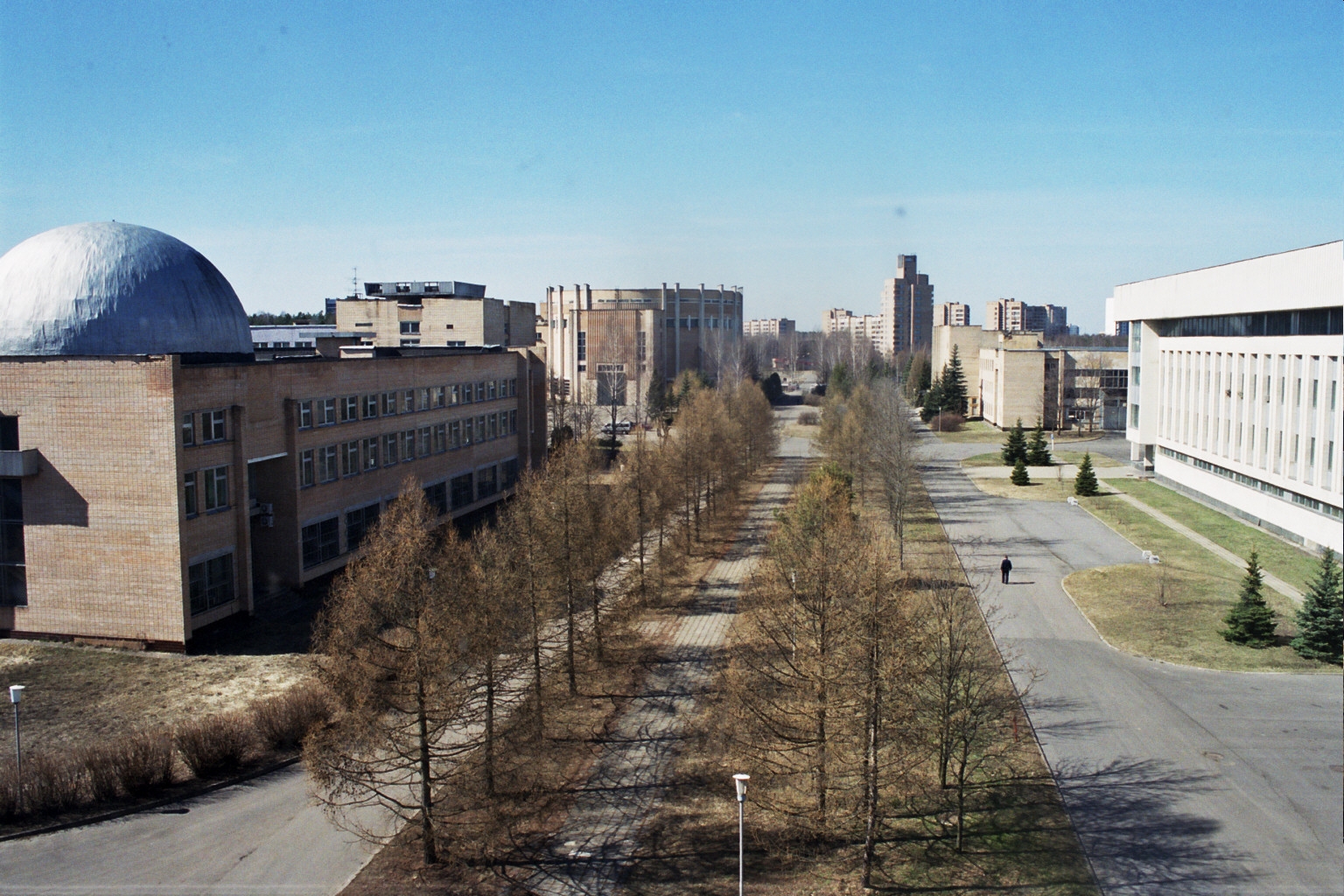 The grounds of the Gagarin Cosmonauts Training Center | Image source: Wikipedia
Training included knowledge of the use of the spacecraft and awareness about the surface of the Moon itself. Astronauts dedicated many hours studying the Moon’s shape and its rock composition. They combined their physical training along with academic learning, as they needed to maintain maximum physical fitness in order to face the challenges of space exploration.
Below are Some Photos of How Astronauts Trained for the Apollo Moon Missions (Image source: History.com | © 2024, A&E Television Networks, LLC)
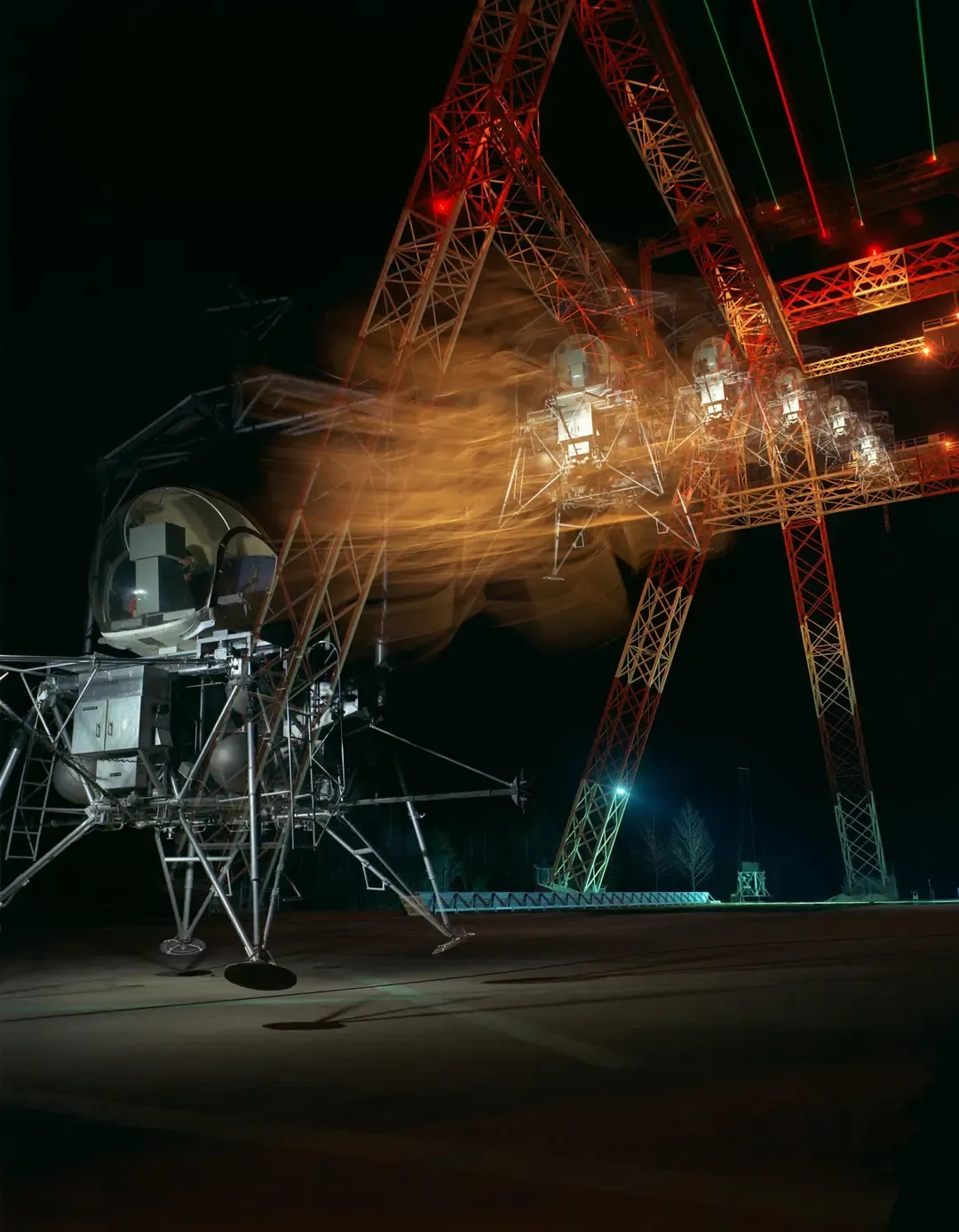 April 11, 1967: This multiple exposure shows a simulated Moon landing of the Lunar Excursion Module at Langley’s Lunar Landing Research Facility
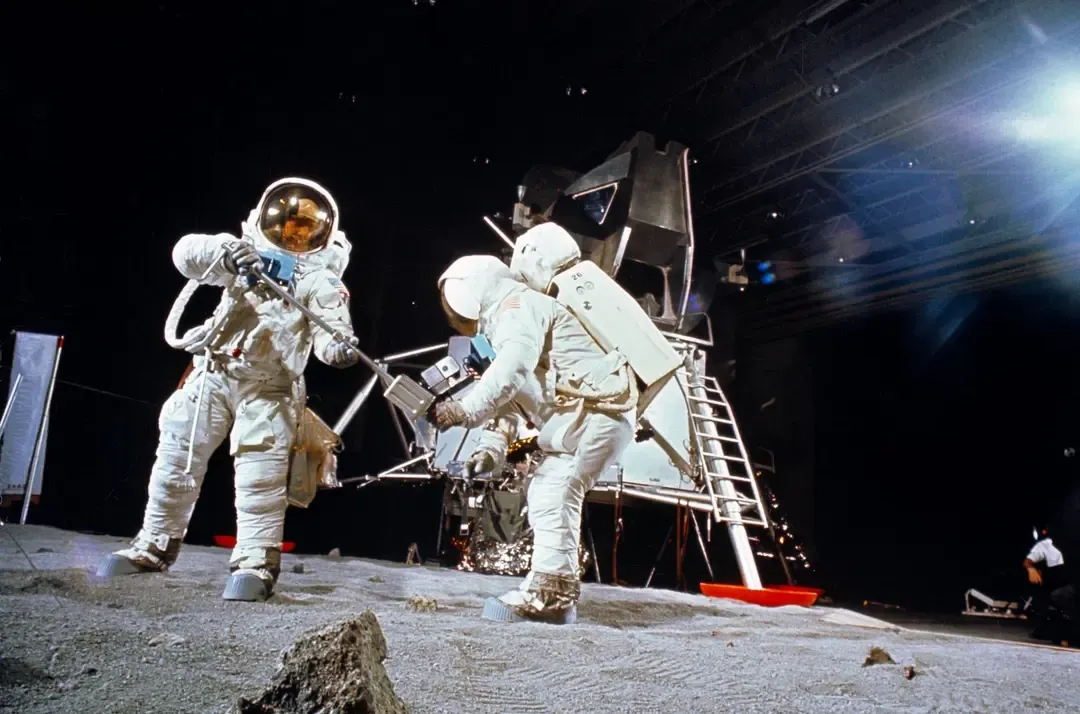 April 22, 1969: Astronauts Buzz Aldrin (left) and Neil Armstrong participate in a simulation of deploying and using lunar tools, on the surface of the moon, while wearing their Extravehicular Mobility Units during a training exercise. In the background is a Lunar Module mock-up
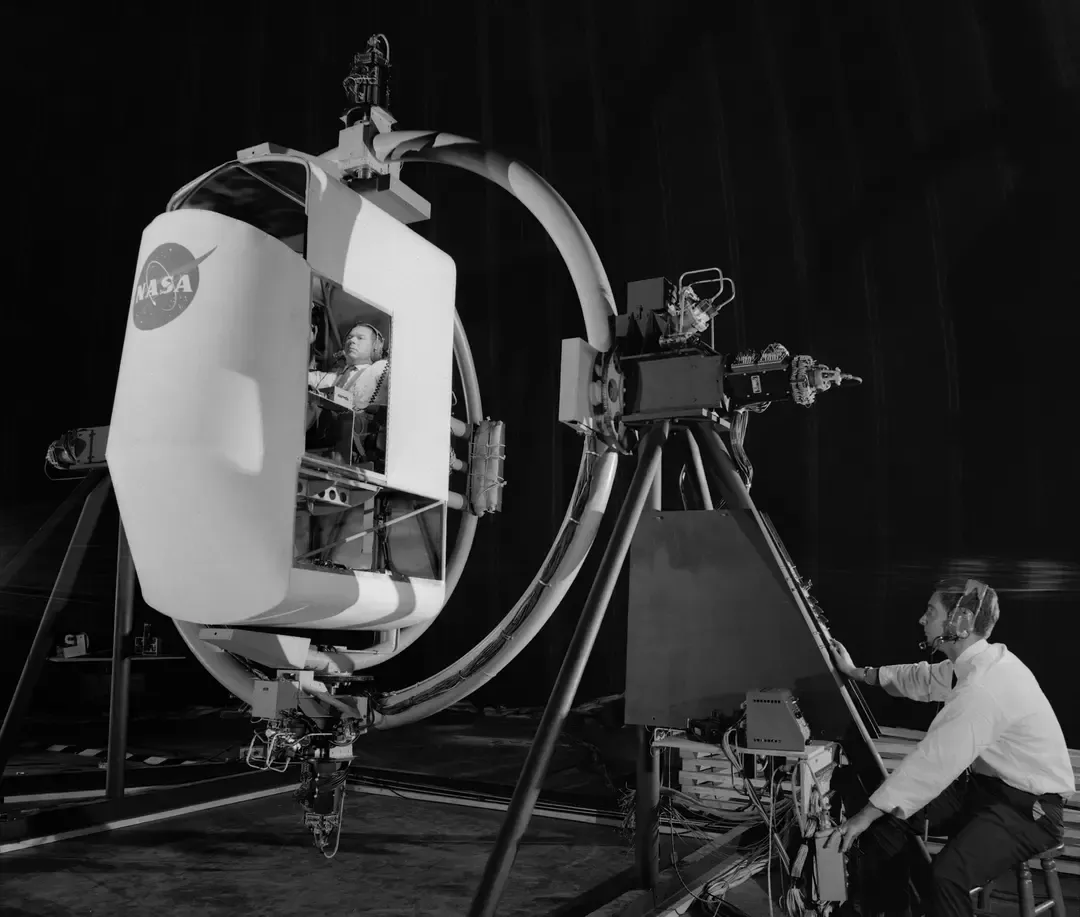 August 17, 1962: The Lunar Rendezvous Simulator at Langley Research Center
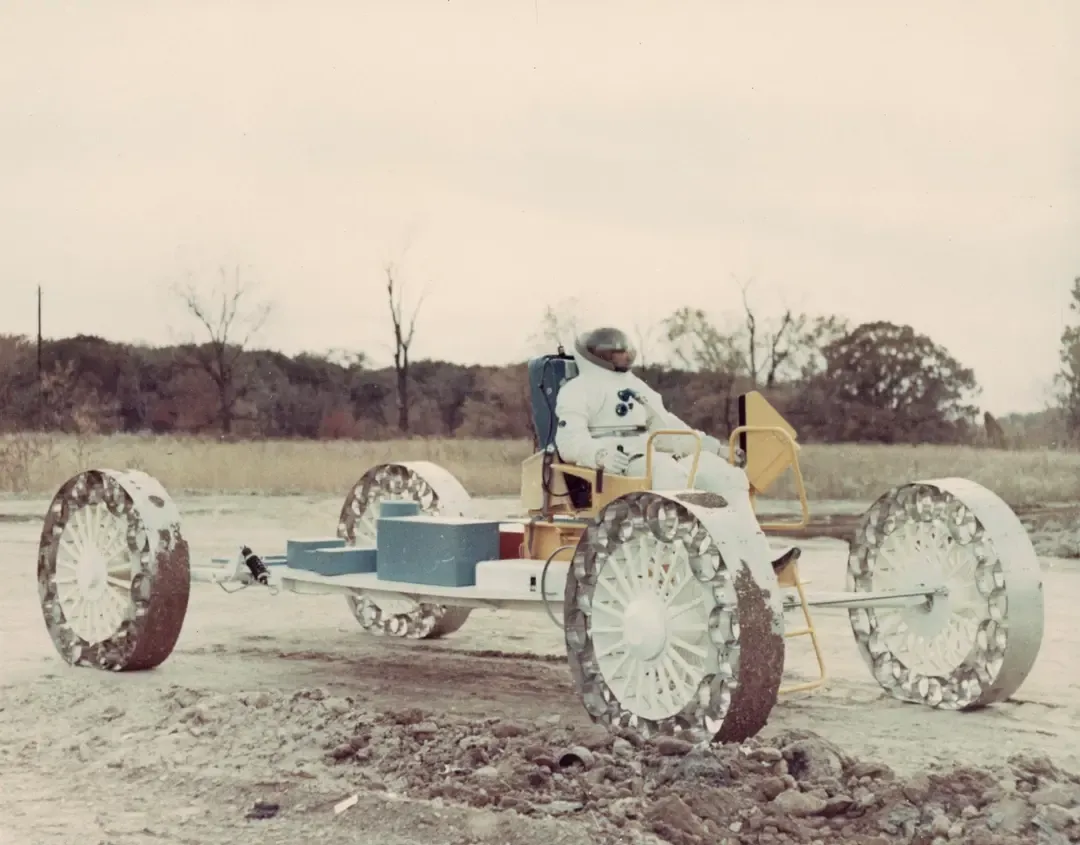 December 1, 1964: A concept of a possible Lunar Roving Vehicle (LRV)
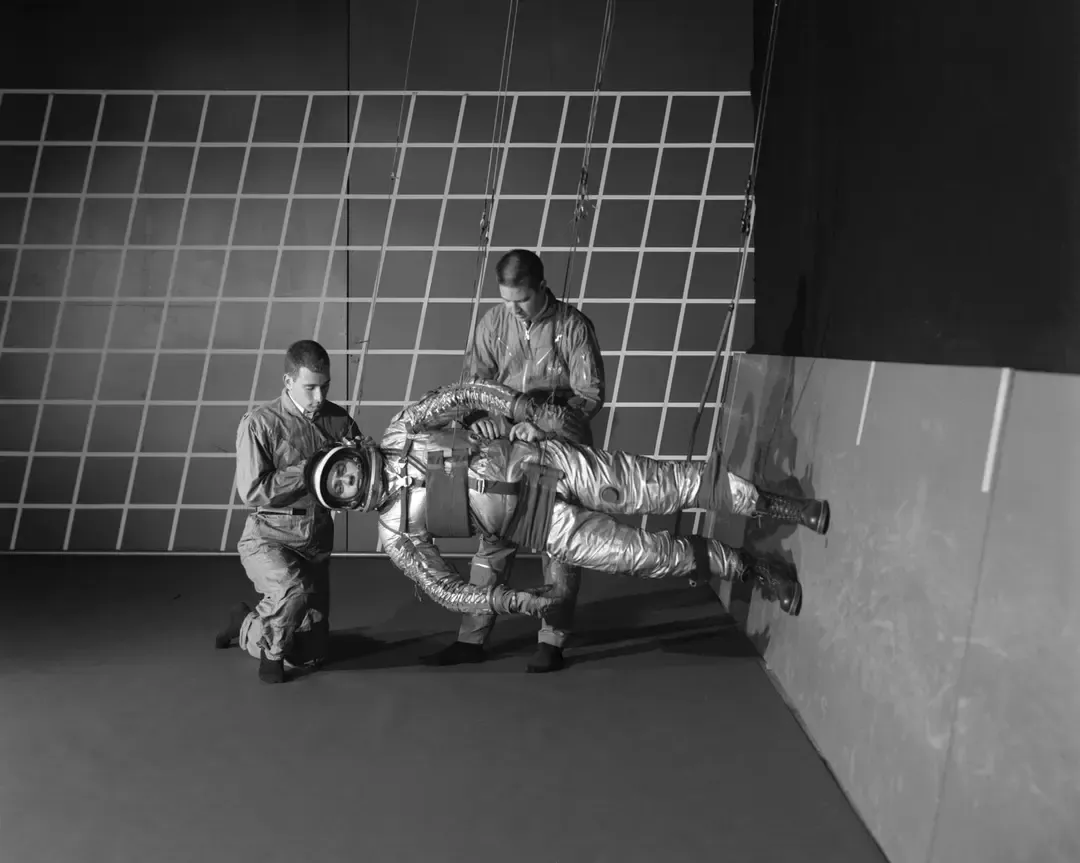 December 11, 1963: A test subject being suited up for studies on the Reduced Gravity Walking Simulator at Langley Research Center
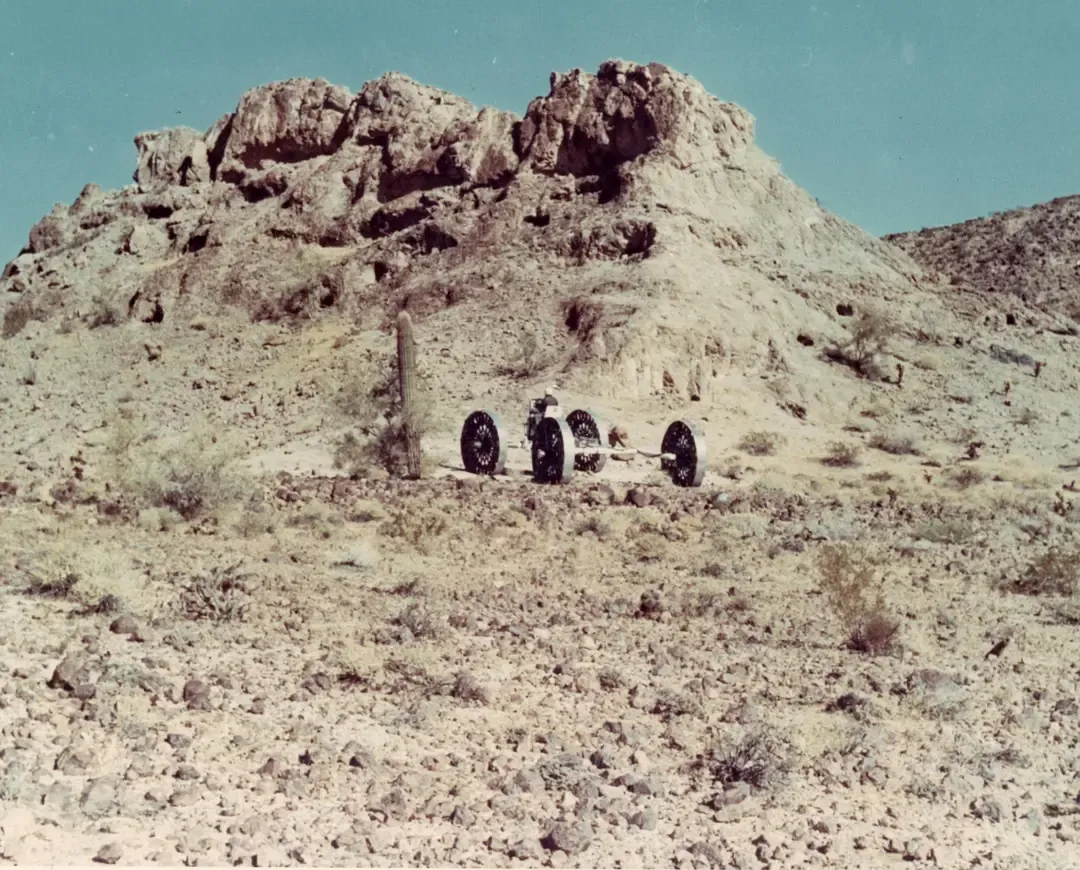 February 12, 1969: A test engineer drives a Mobility Test Article through the mountains of Arizona to figure out the best way to allow Apollo astronauts a greater range of mobility during lunar exploration missions
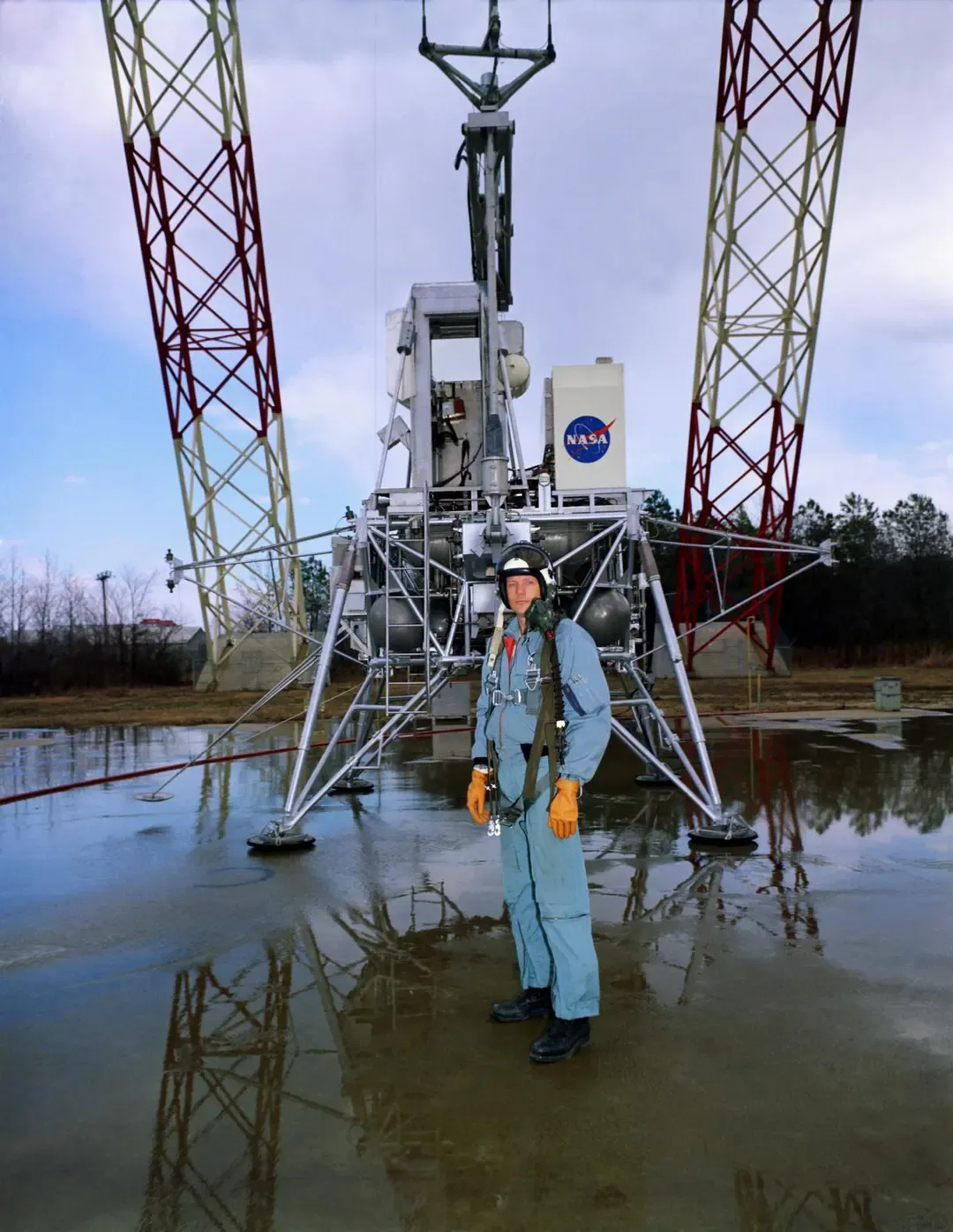 February 12, 1969: The Lunar Excursion Module (LEM) was used to practice lunar landing techniques. Neil Armstrong is pictured alongside the LEM at the Lunar Landing Research Facility.
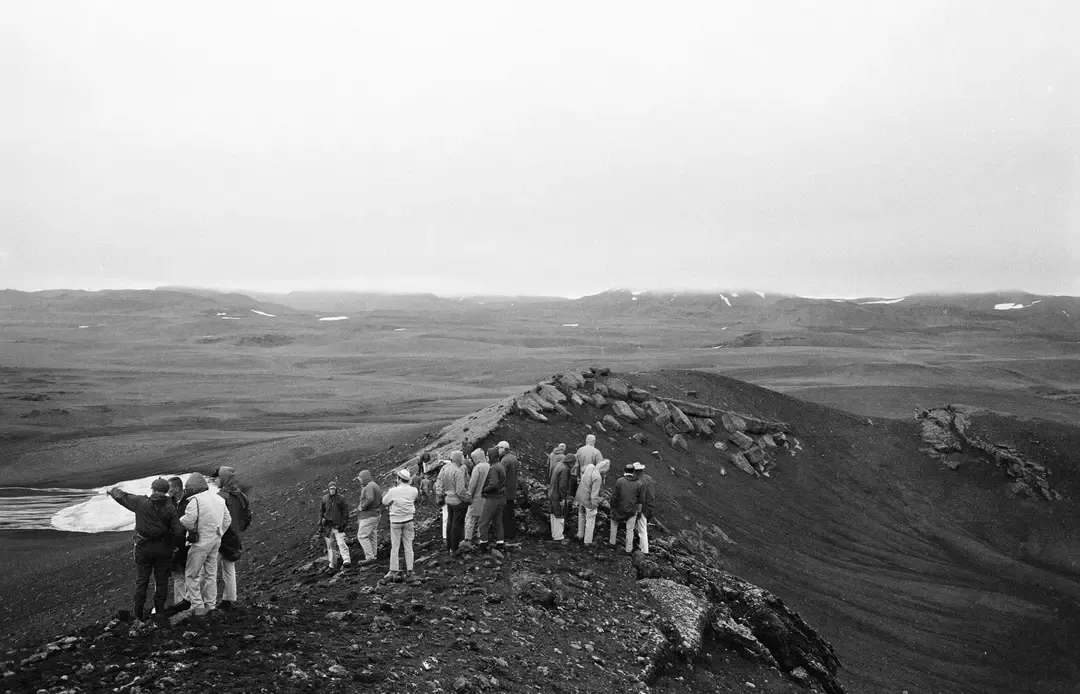 July 9, 1967: 21 NASA Astronauts during a week in Iceland, where they studied the geology of the island, which is the nearest one can get to moonscape conditions on Earth
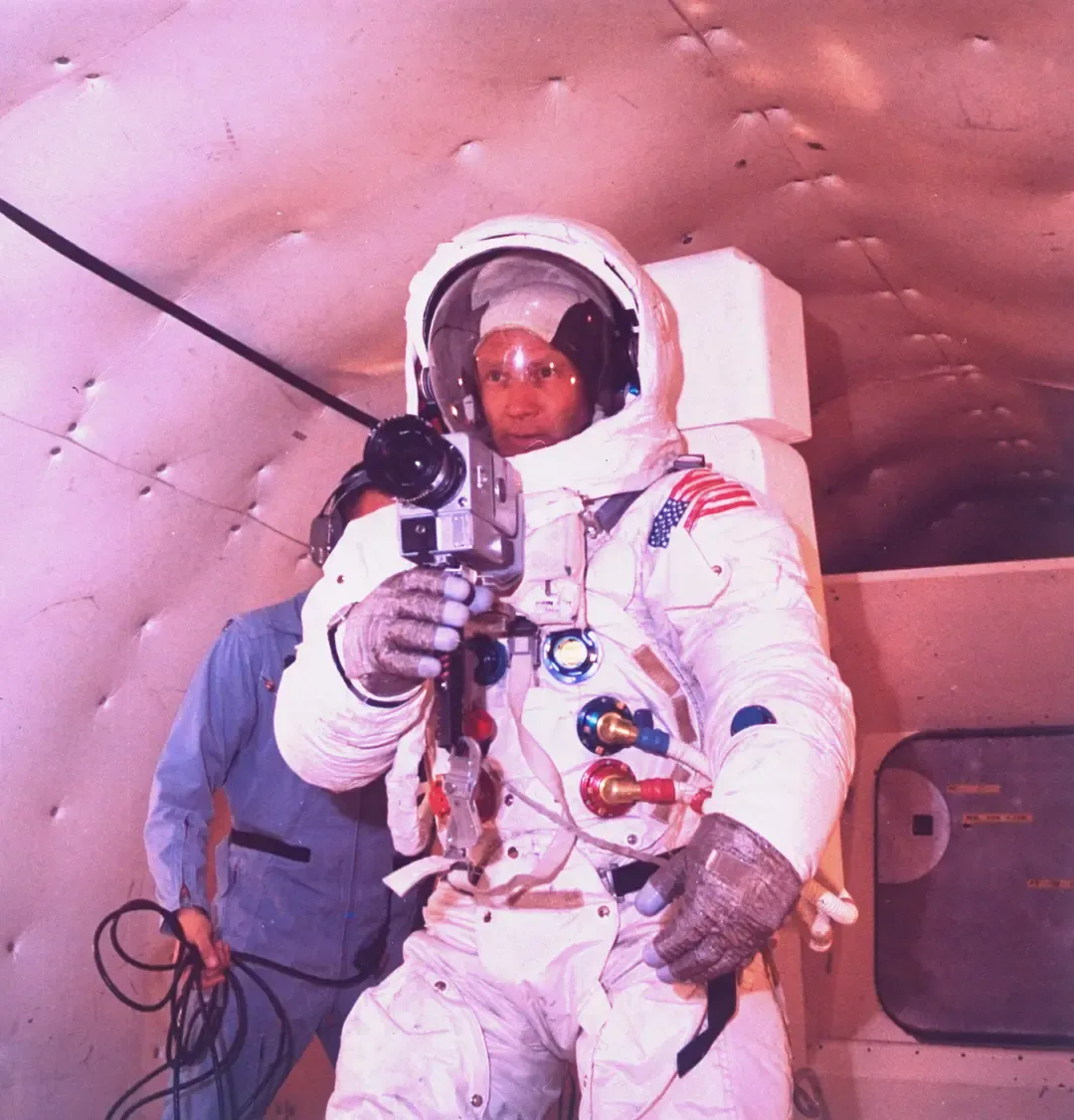 July 14, 1969: Astronaut Buzz Aldrin in his space suit practicing with the movie camera he will use on the Apollo 11 mission
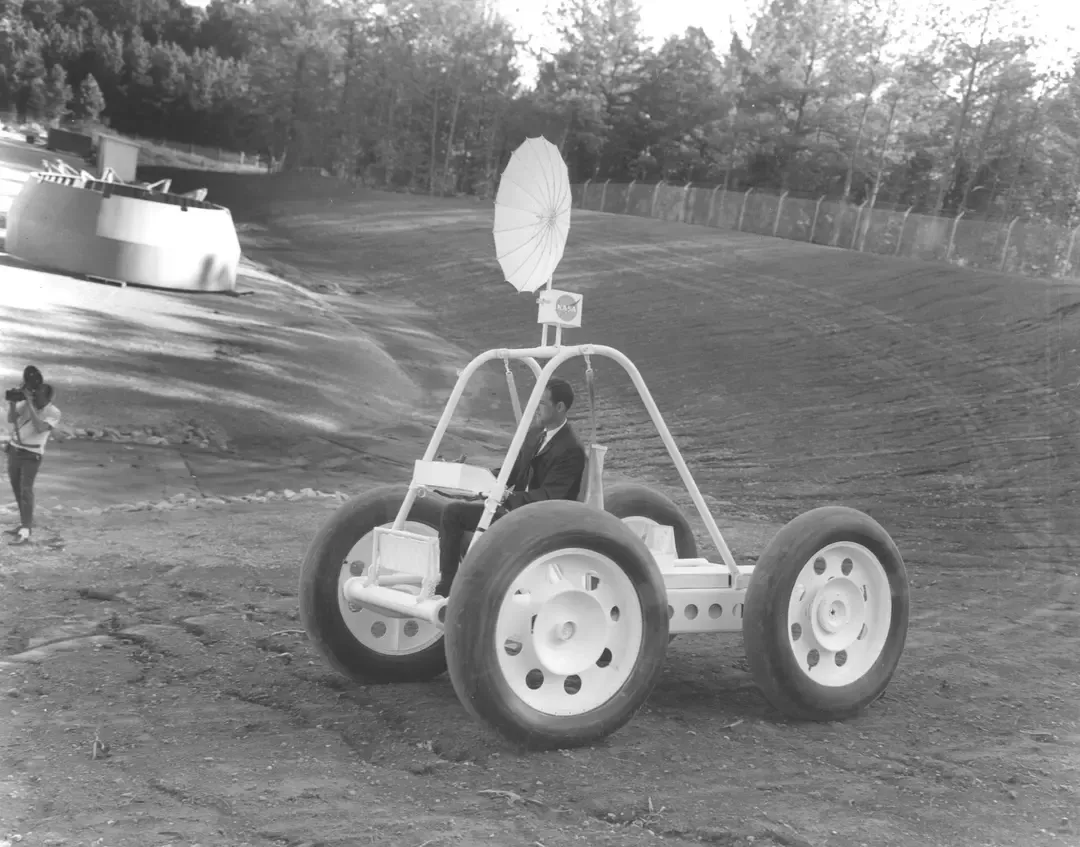 June 7, 1966: This motorized mockup of a small LRV was built by the Brown Engineering company of Huntsville, Alabama
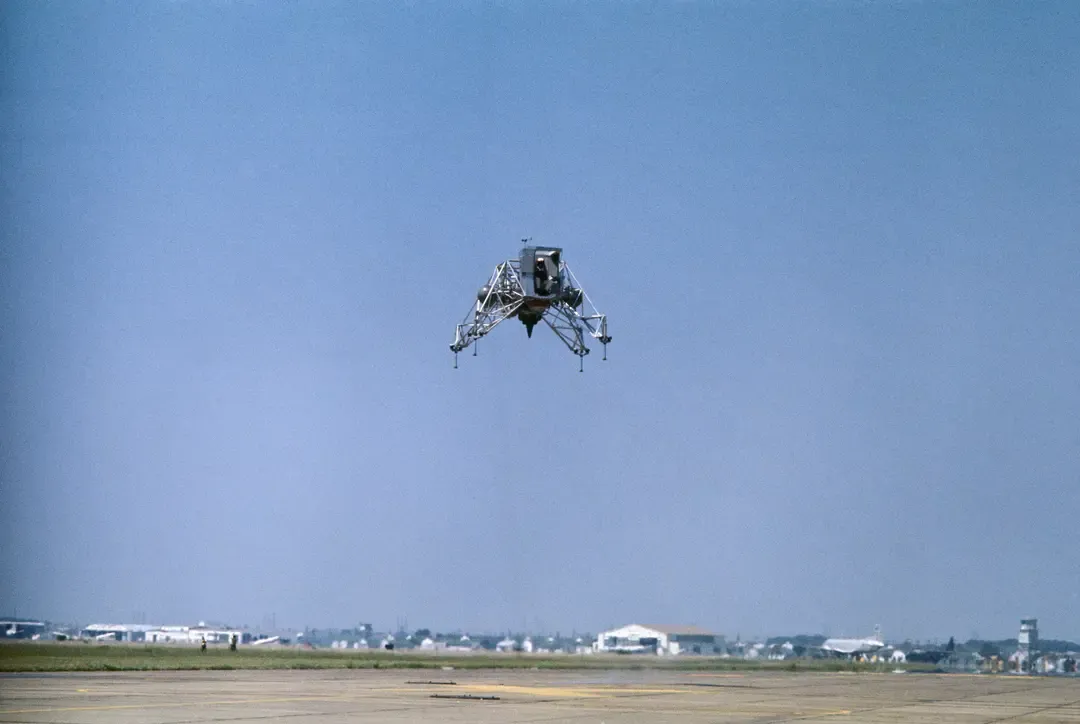 June 20, 1969: Neil Armstrong flies the Lunar Landing Training Vehicle, practicing take-offs and landings. He flew the craft to an altitude of some 300 feet
Simulating Lunar Conditions
Of all the perceived difficulties in training astronauts, probably the most difficult was in preparing crews to work in the low gravity of the Moon. To that end, NASA developed numerous creative techniques for simulation. Of all the widely solicited training apparatus, there is the Lunar Landing Research Vehicle. Very peculiar, it gave astronauts an opportunity to practice landing on the Moon. The LLRV simulated the gravity of the Moon in training during the final landing on the Moon.
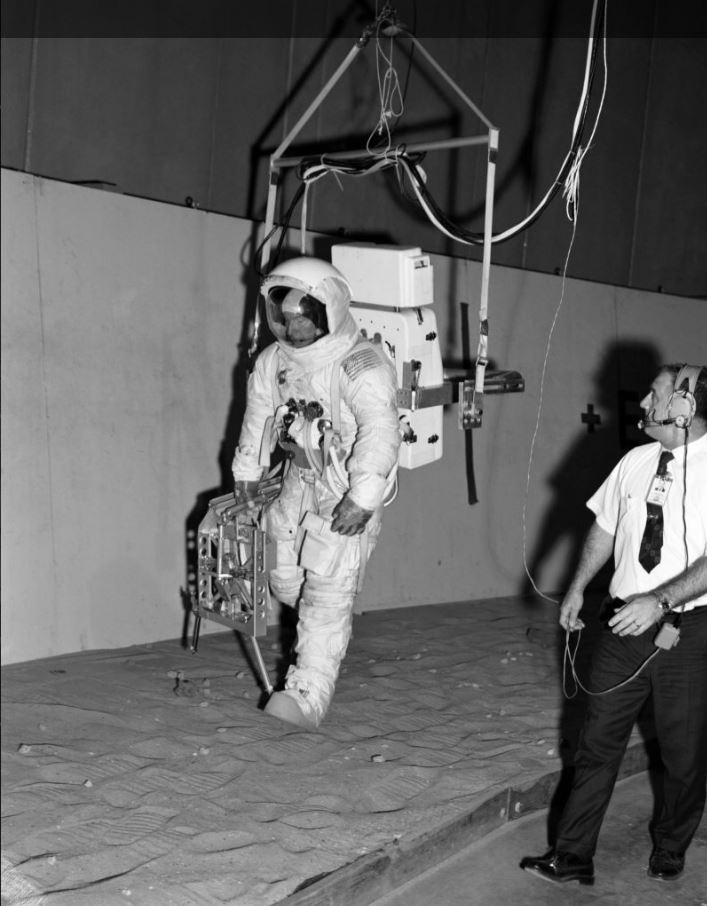
Other training essential would be that in neutral buoyancy pools or large tanks of water. Under these tanks, astronauts would conduct mock moments and movements of LOW-G conditions. Specially-weighted suits are there to carry out these. This helps them simulate walking on the Moon and therefore perfect all their skills before heading out.
Training Locations Around the World
NASA took the Apollo astronauts into some very remote and rough areas on Earth in training for the Moon environment. Some of the most critical training sites included the Nevada Test Site. It is where the astronauts learn how to get around on rough ground and collect samples of rocks. The site was chosen because of rugged land. It appeared very similar to much of the surface area on the Moon.
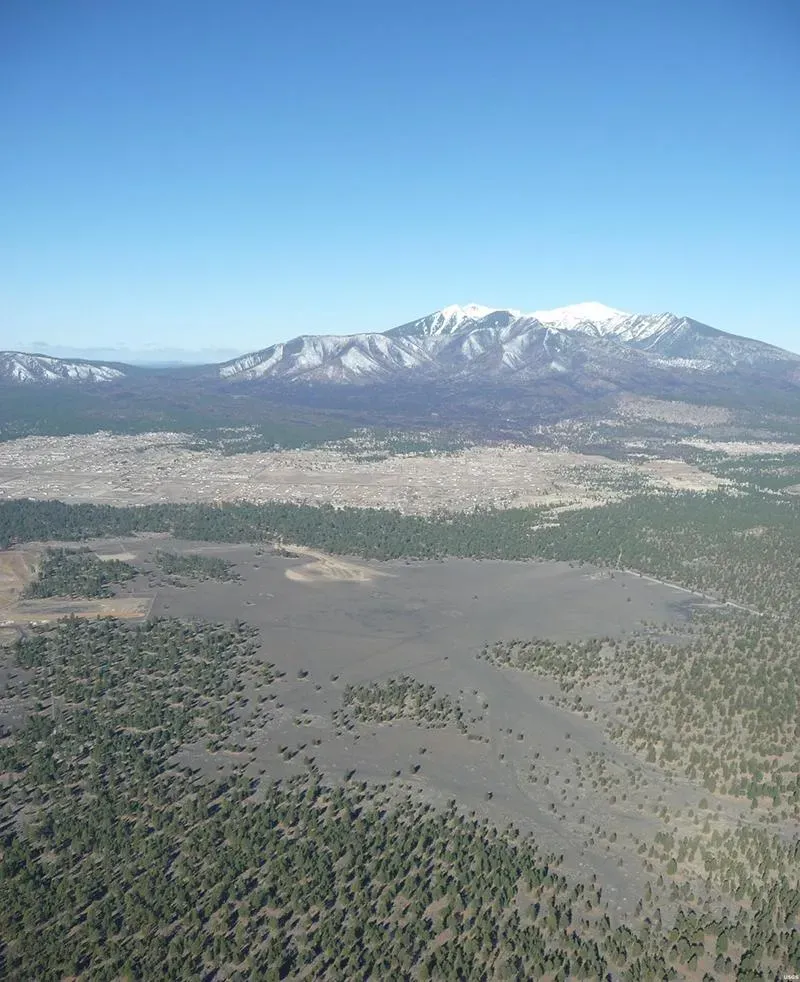 Aerial photograph of Cinder Lake, San Francisco Mountain, and adjoining neighborhoods, Coconino County, Arizona | Image source: © 2024 Smithsonian Magazine
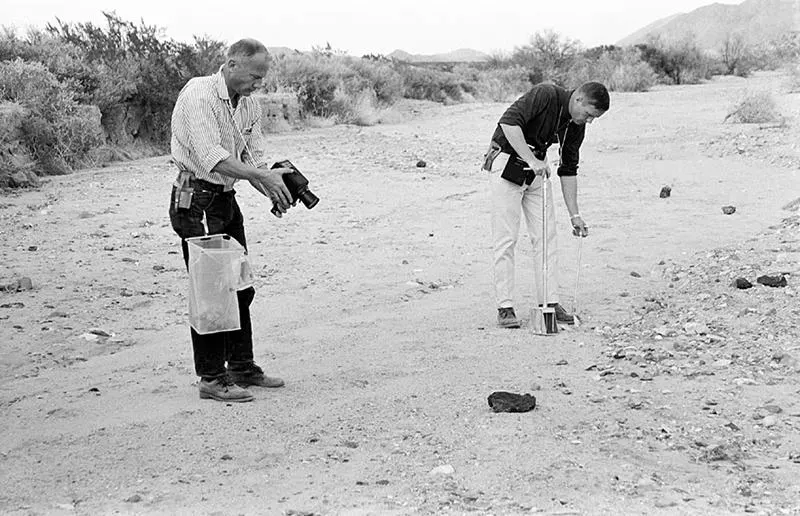 Apollo 11 astronauts Edwin (Buzz) Aldrin (left) and Neil A. Armstrong prepare for the first lunar landing as they practice gathering rock specimens during a geological field trip to the Quitman Mountains area near the Fort Quitman ruins in far west Texas. They used special lunar geological tools to pick up samples and place them in bags | Image source: © 2024 Smithsonian Magazine
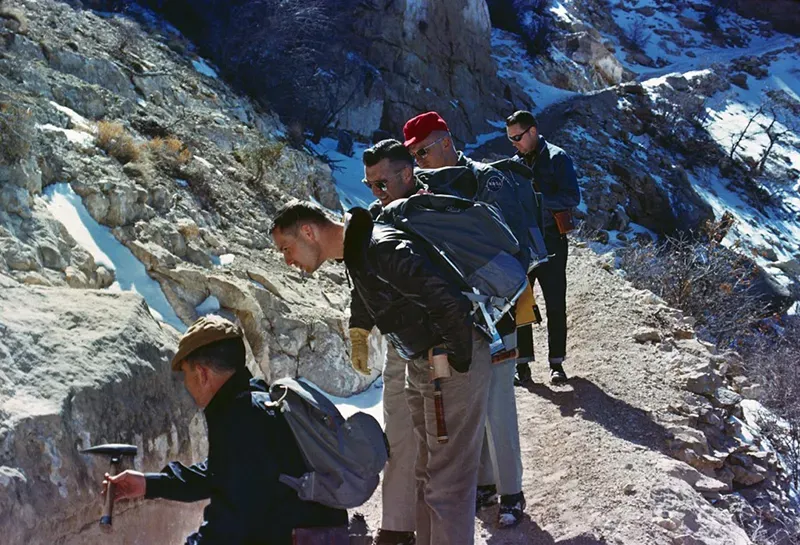 Dr. E. Dale Jackson, U.S. Survey Geologist, with astronauts Neil Armstrong, Richard Gordon and Don F. Eisele during Geological Training | Image source: © 2024 Smithsonian Magazine
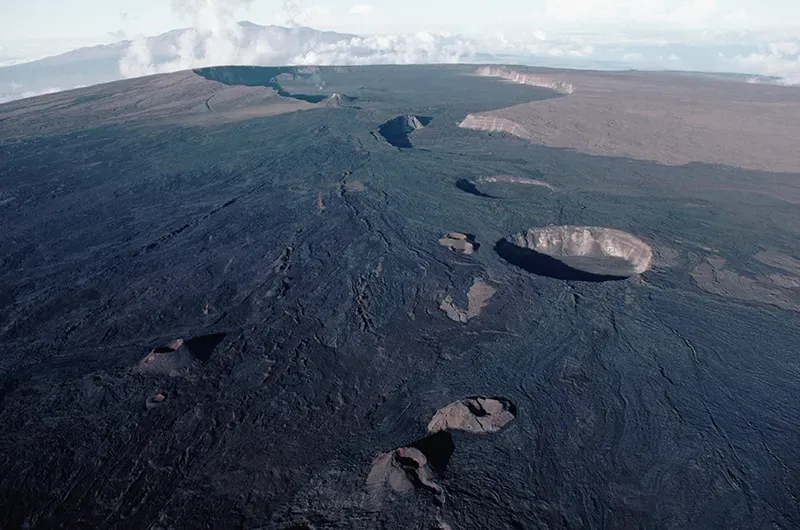 During the final days of their stay, they hiked to the top of the 13,677-foot Mauna Loa, known as the world’s largest volcano | Image source: © 2024 Smithsonian Magazine
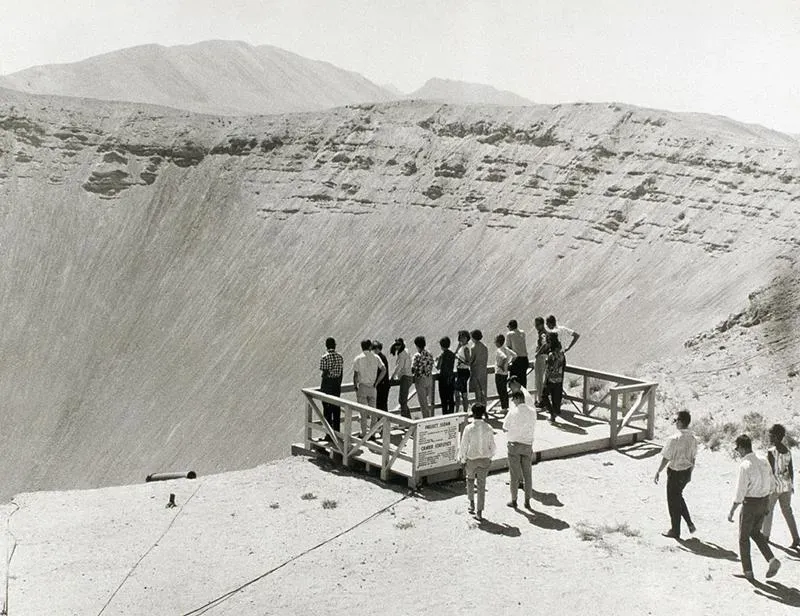 In this photograph taken in 1962, people stand at the edge of a gigantic crater near Mercury, Nevada, created by the Project Sedan nuclear test explosion | Image source: © 2024 Smithsonian Magazine
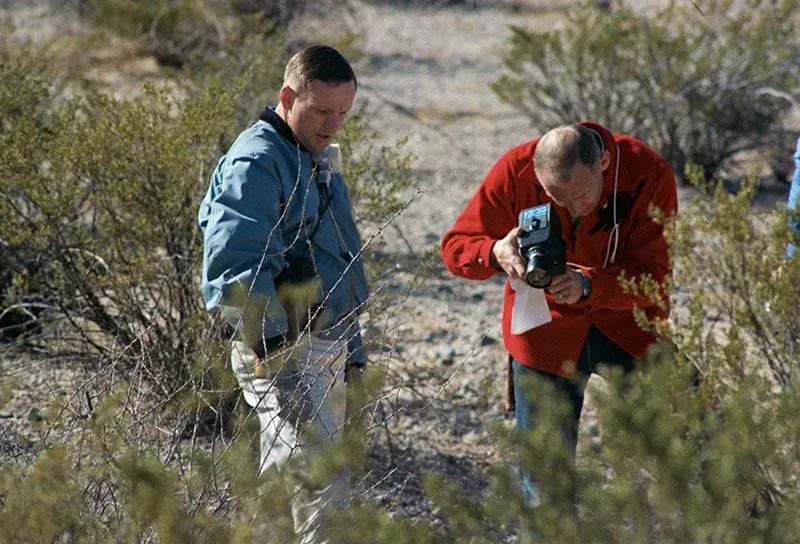 Neil Armstrong (left) and Buzz Aldrin (right) document a sample during a field trip at Sierra Blanca in west Texas on February 24, 1969 | Image source: © 2024 Smithsonian Magazine
The Grand Canyon was another serious place of training when astronauts learned to recognize the rock and land types. It was very important since the astronauts obliged to take with them some valuable samples from the Moon surface. Icelandic volcanic regions represented the Moon’s surface and gave an extended opportunity to practice skills.
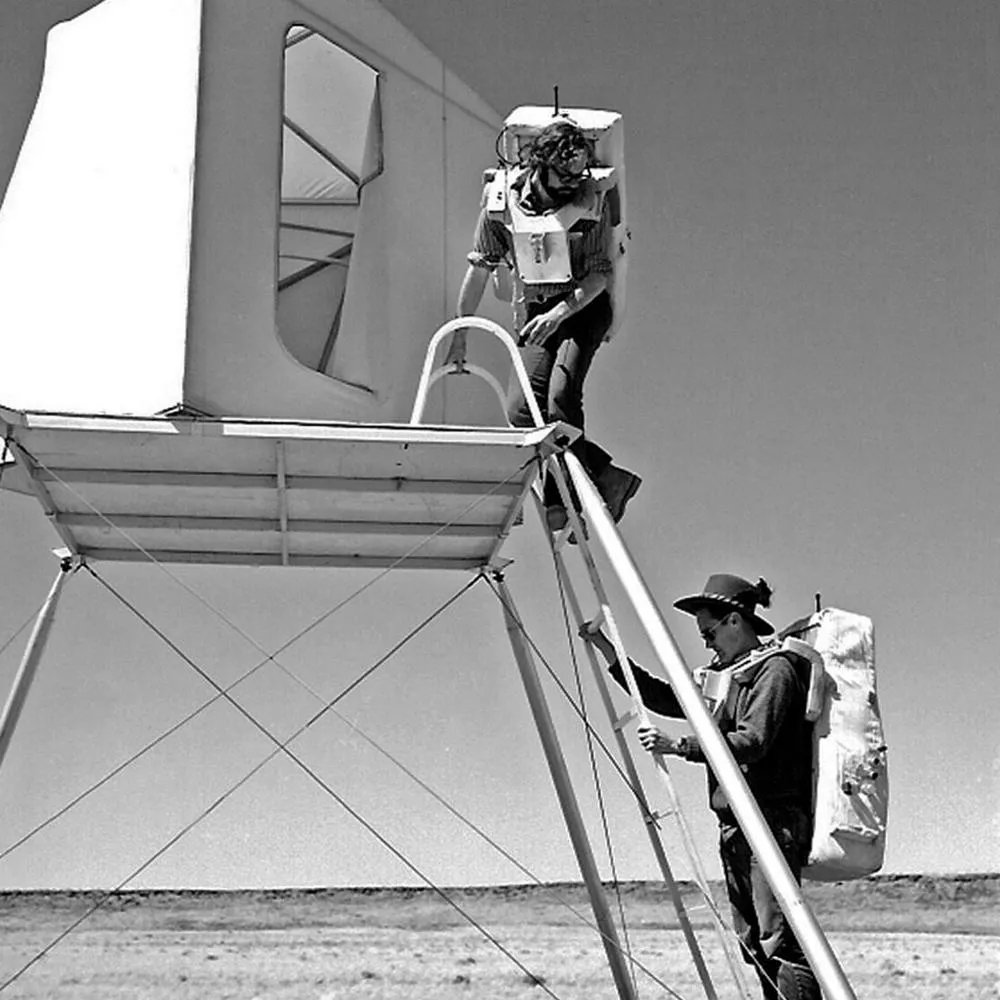 A Nasa engineer and Apollo 16 astronaut Charles Duke climbs a ladder to the canvas simulated lunar module during a test at the Cinder Lake crater field, 30 June 1971. The construction of Cinder Lake crater field with explosives, July 1968 | Image source: © 2024 Guardian News
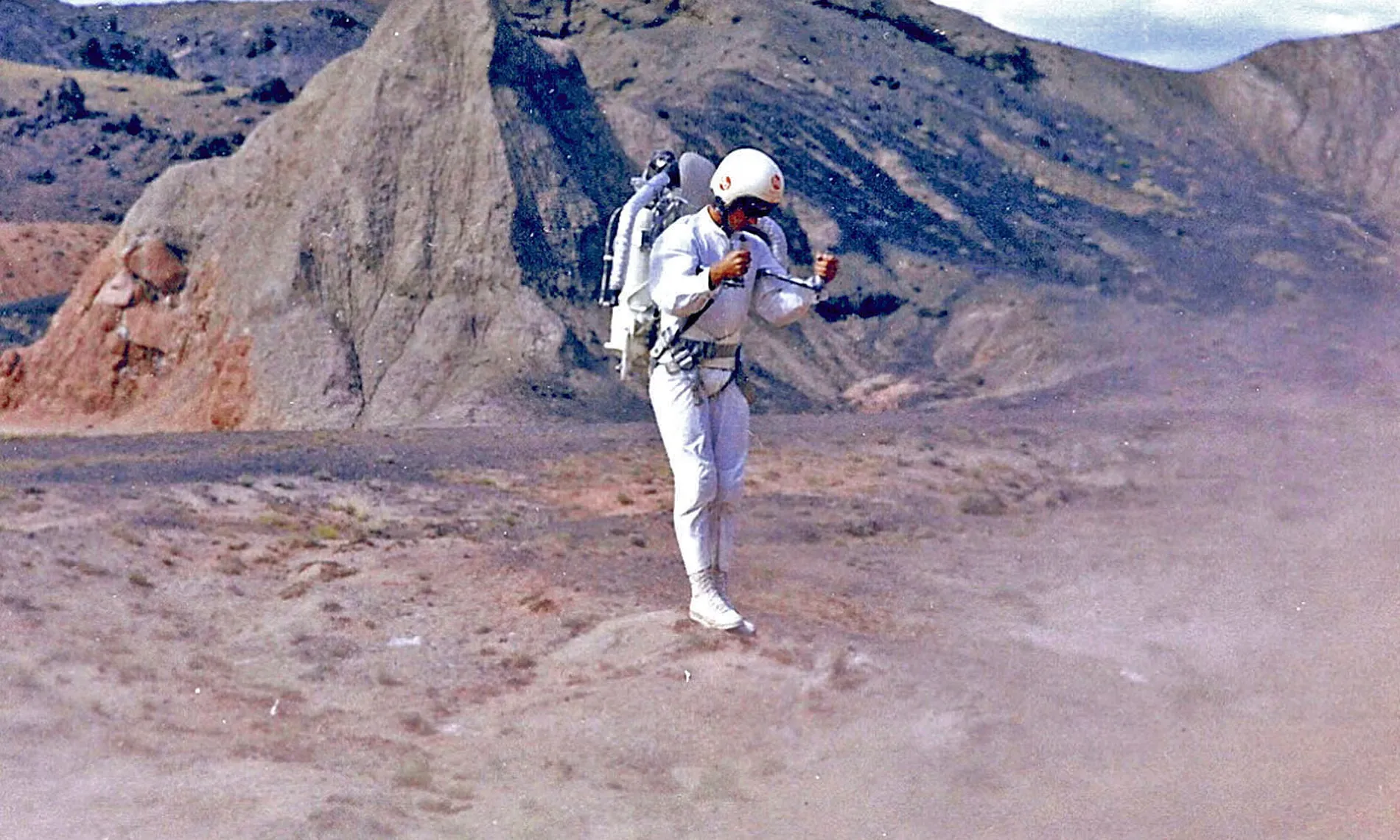 Bell Aerospace’s lunar flying vehicle just after liftoff at a demonstration for Nasa and USGS personnel in Hopi Buttes Volcanic Field north-east of Flagstaff, August 1966 | Image source: © 2024 Guardian News
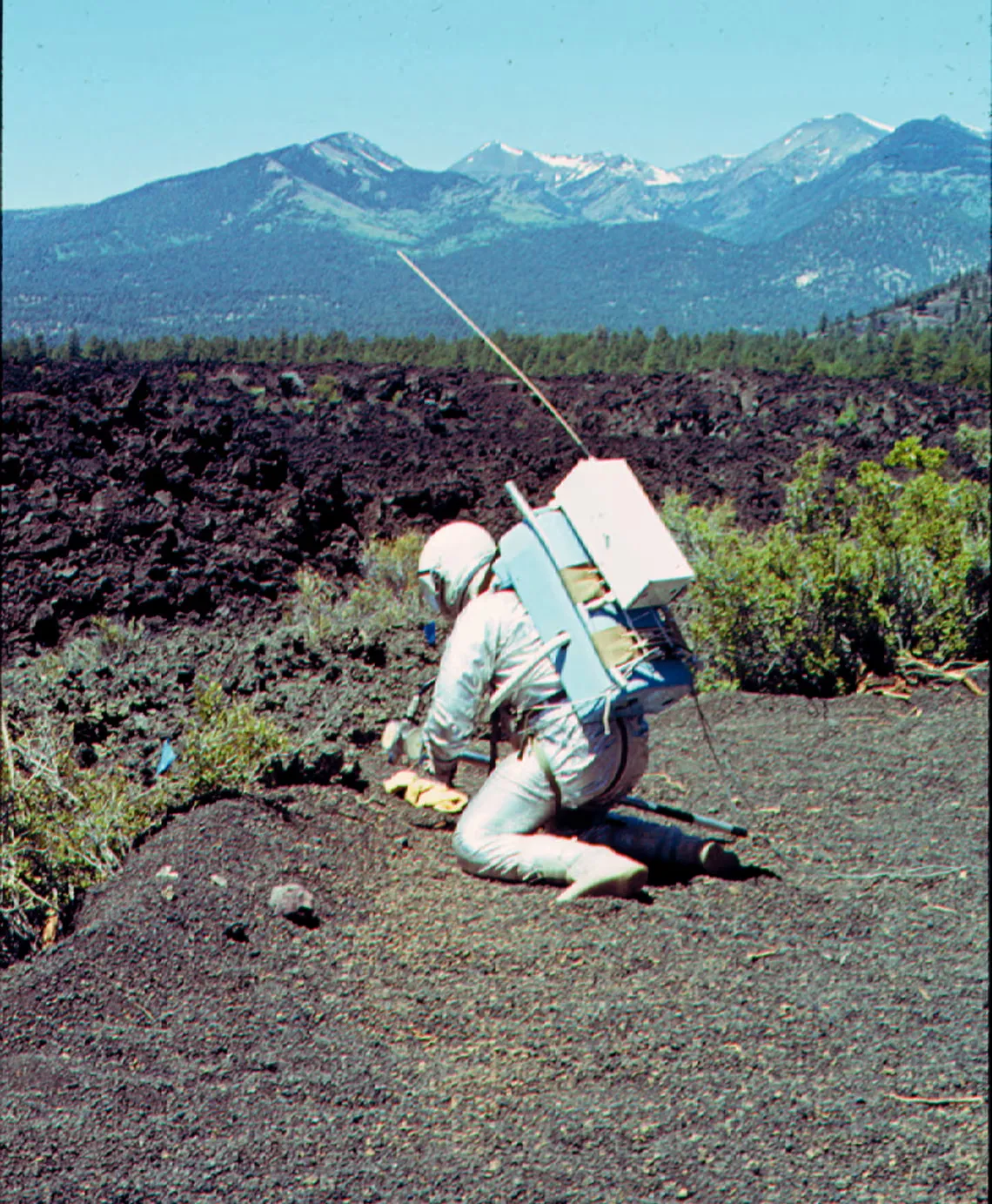 Collecting soil samples at Bonita Lava Flow near Sunset Crater Volcano national monument, June 1964. San Francisco Peaks are in the background | Image source: © 2024 Guardian News
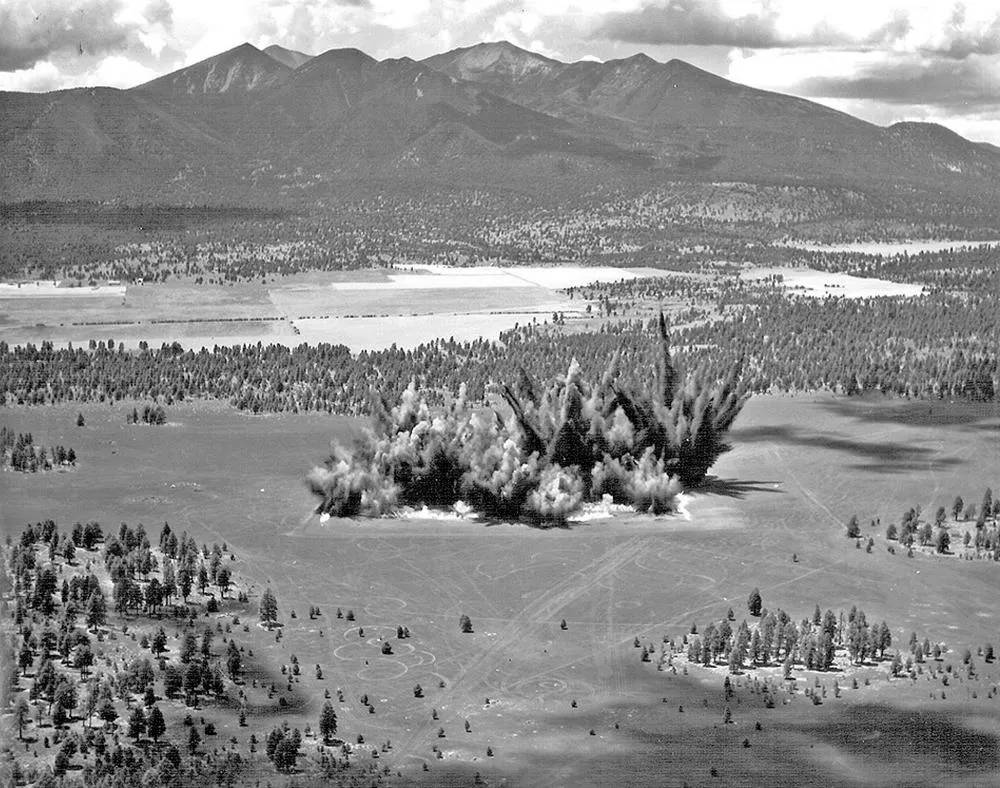 Construction of Cinder Lake Crater Field with explosives, July 1968 | Image source: © 2024 Guardian News
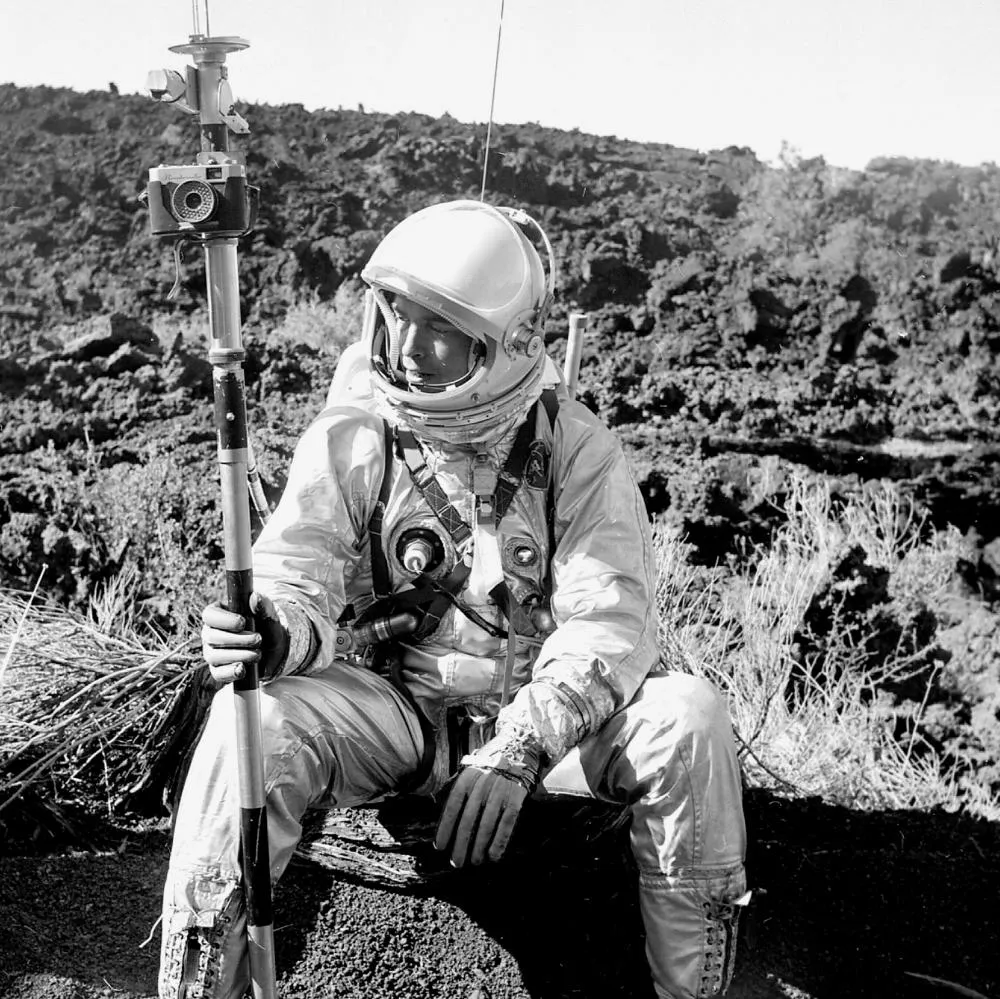 Gene Phillippi in Gemini suit during equipment test near near Sunset Crater national monument, June 1964 | Image source: © 2024 Guardian News
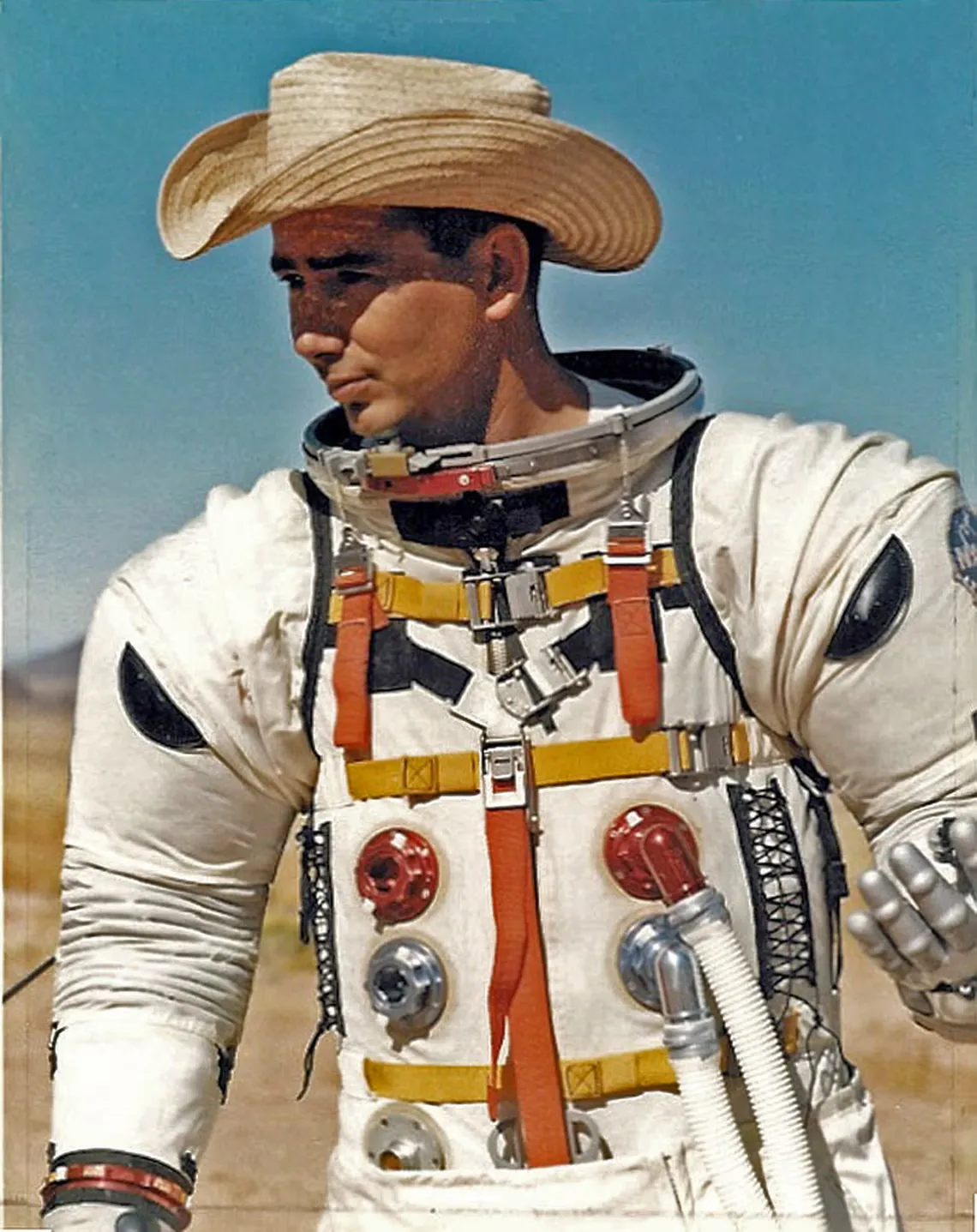 Joe O’Connor testing a spacesuit at Hopi Buttes Volcanic Field north-east of Flagstaff, 1965 | Image source: © 2024 Guardian News
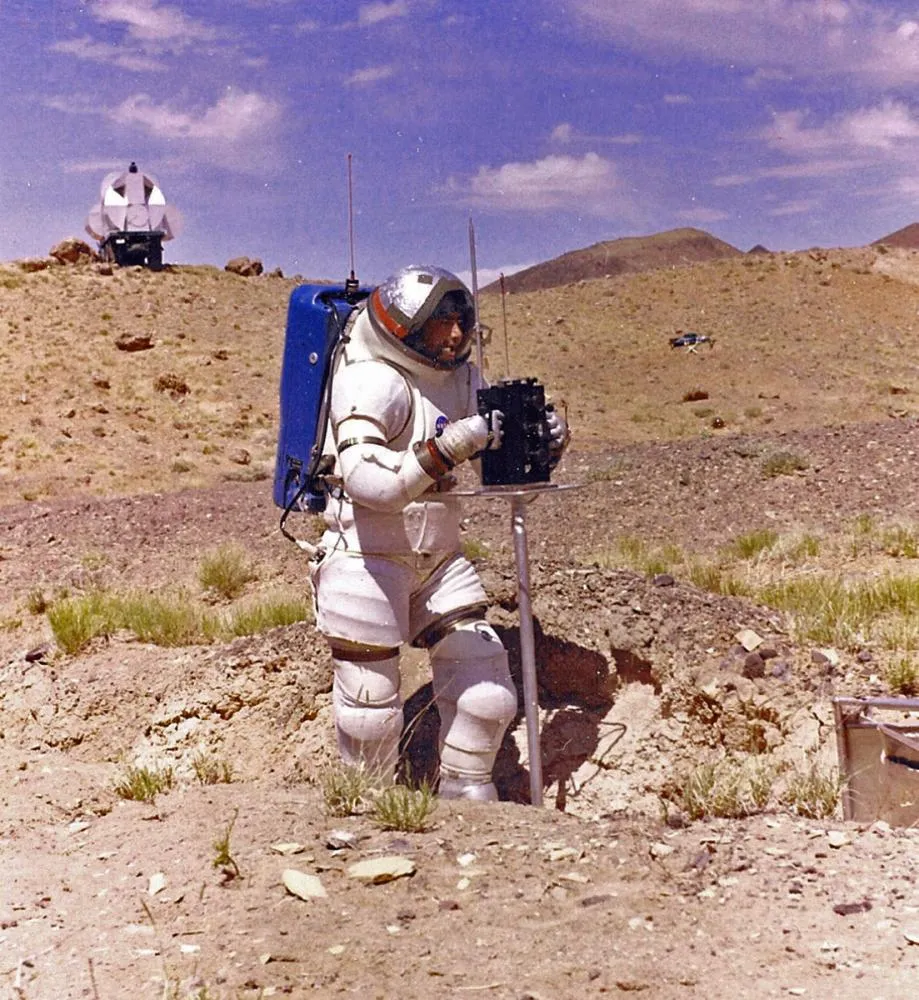 Joe O’Connor testing a spacesuit with a simulated lunar module in the background at Hopi Buttes volcanic field north-east of Flagstaff, 1965 | Image source: © 2024 Guardian News
Survival Training
NASA was aware that space flight was a dangerous business where an accident could occur at any time; therefore, astronauts had to go through rigorous survival training, in anticipation of this very fact. Training went all the way from very basics of survival skills in the wilderness to extraction techniques in cases of emergency landings from spacecraft.
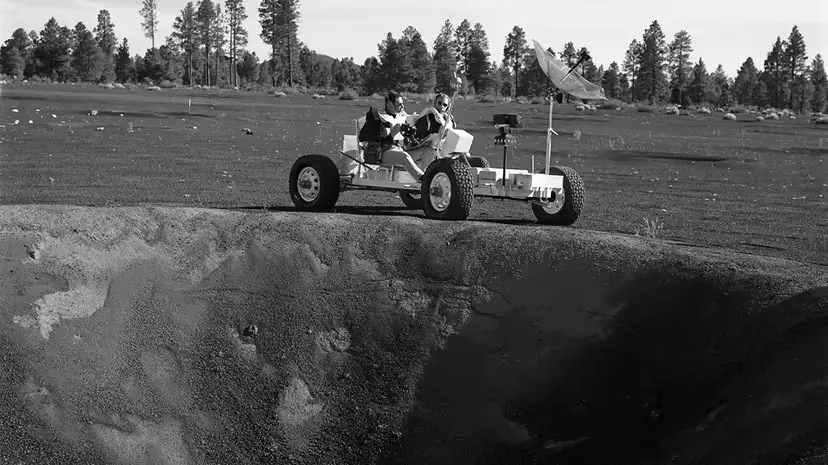 Astronauts Train in Arizona Crater Field | Image source: Copyright © 2024 HowStuffWorks
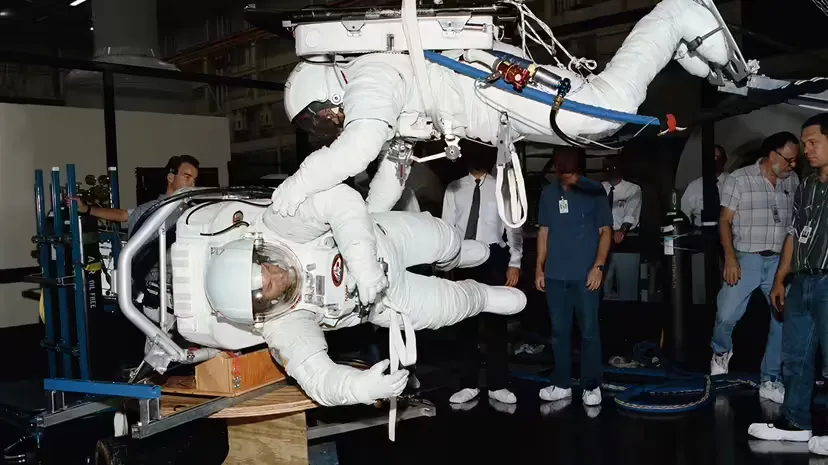 Scott Bleiseth, top, prepares to spin engineer Mike Hess during a test on the air-bearing floor in the Shuttle Mock-up and Integration Laboratory at NASA’s Johnson Space Center | Image source: Copyright © 2024 HowStuffWorks
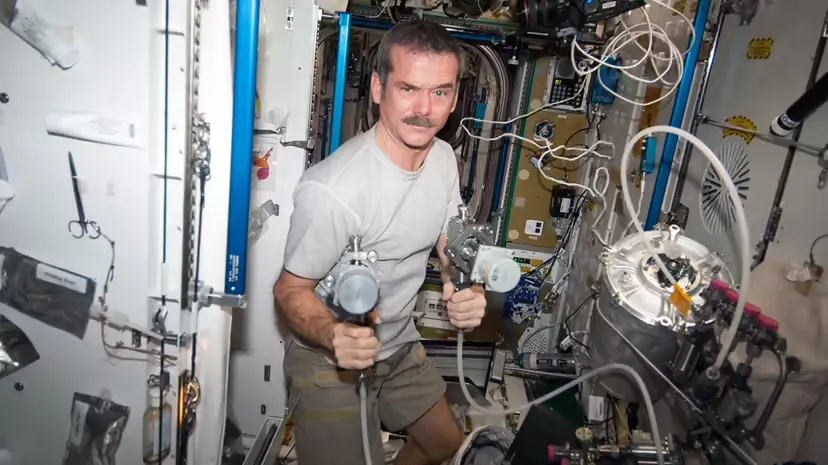 Candidates Undergo Toilet Training | Image source: Copyright © 2024 HowStuffWorks
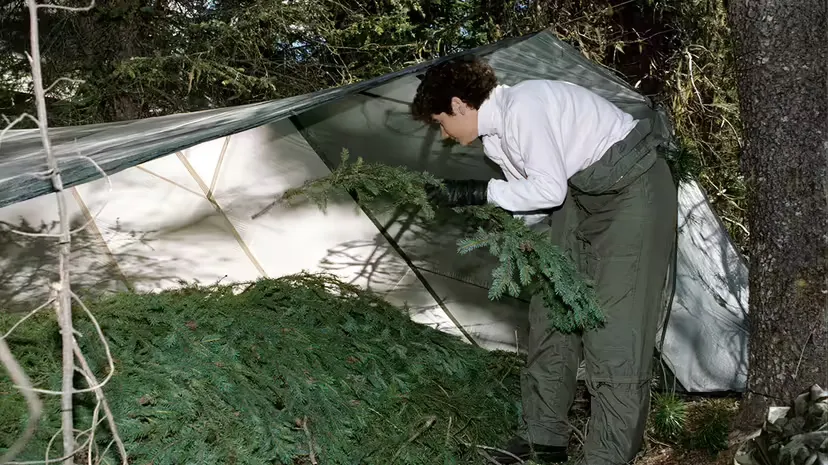 Survival Skills Are Tested – Astronaut candidate Susan J. Helms gathers pine branches to create bedding under a tent she has constructed from a parachute while participating in wilderness survival training | Image source: Copyright © 2024 HowStuffWorks
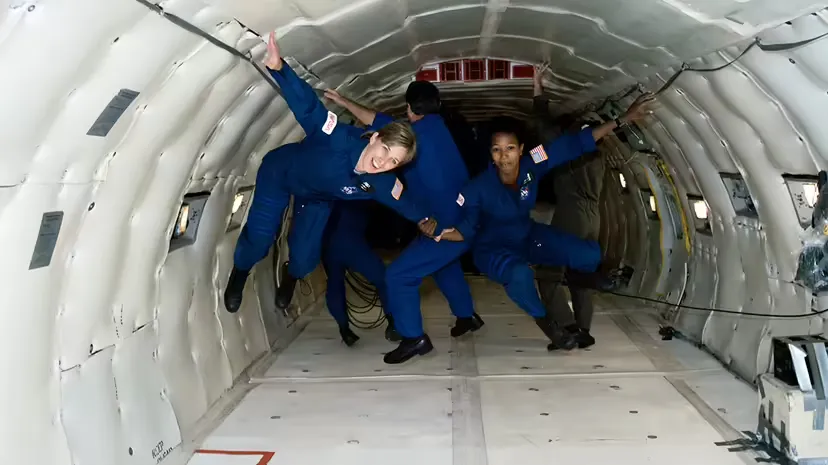 Ride on a Microgravity ‘Vomit Comet’ – 1987 NASA candidates N. Jan Davis (left) and Mae C. Jemison freefloat during the seconds of microgravity created aboard the KC-135 NASA 930 aircraft’s parabolic flight | Image source: Copyright © 2024 HowStuffWorks
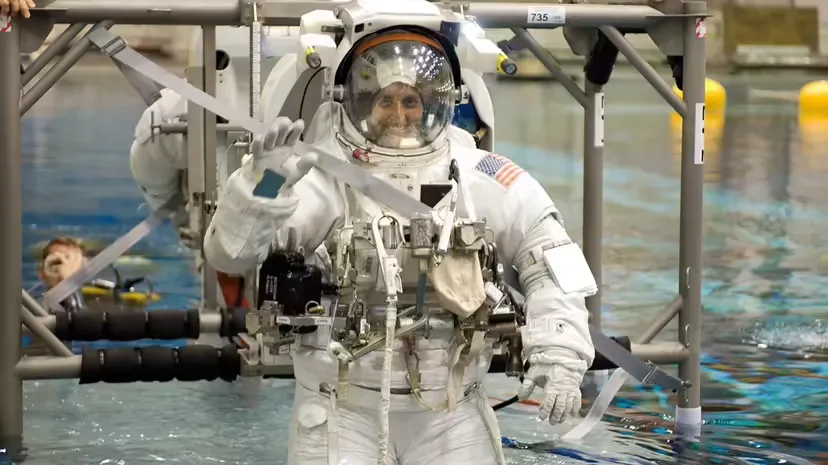 Trainees Spend a Lot of Time Underwater – Astronaut Sunita L. Williams is seen here in 2006 about to be submerged in the waters of the Neutral Buoyancy Laboratory (NBL) near Johnson Space Center | Image source: Copyright © 2024 HowStuffWorks
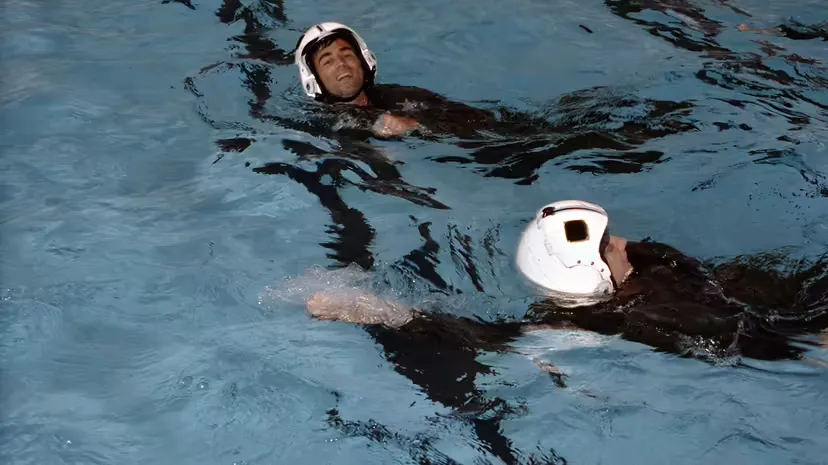 Trainees Swim Laps in Their Flight Suits – Astronaut candidates Susan J. Helms (foreground) and William G. Gregory, wearing helmets and flight suits, swim in the pool at Elgin Air Force Base (AFB) in Pensacola, Florida, during water survival exercises | Image source: Copyright © 2024 HowStuffWorks
“You have a training team, led by a simulation supervisor, and their job is to come up with mission scenarios that are utterly realistic and will train every aspect of the crew and controllers’ and flight directors’ knowledge. Training was about as real as you could get. You would get the sweaty palms. It was no longer training – it was real. The same emotions, the same feelings. The same adrenaline would flow,”
“In a day’s work, we would exercise this 10 or 12 times a day. Run it, debrief it, turn it around, run another one,”
“When you get out of the room at the end of the day you are drained. I used to tell people, you know if you can survive the simulations, the mission is a piece of cake because you are not usually working on 20 problems at once. Maybe one.”
Gene Kranz, former flight director of the Apollo missions
But probably one of the most harrowing survival training exercises we can see is in the deserts of Nevada. That is where astronauts learn to sustain life in this dry and rough area with the least resource availability.
 Underwater training | Image source: Copyright 2023 collectSPACE.com
 Underwater training | Image source: Copyright 2023 collectSPACE.com
 Underwater training | Image source: Copyright 2023 collectSPACE.com
Psychological Preparation
The psychological aspects of space travels are readily taken for granted. However, NASA understood that to make space travel possible an astronaut must be both physically and psychologically prepared. In isolation and confinement to a small spot, even the most robust individuals could get crazy. Therefore, NASA devised some training exercises for the astronauts in order to cope with their mission’s stress.
Such training included stress management, practicing long periods of being alone, all things which the astronauts were going to confront in space. The mentality was that all of these were with the mentality of preparation because the astronauts were going to confront it during the mission.
Conclusion
The training in preparation for the mission of Apollo 11 was surely very careful and thorough. This would have been training that took the astronauts up to the physical and mental limits of human endurance just to make sure they were quite ready to handle what came their way in their effort to land on the moon. That the mission was a success is proof enough that they received good training and were dedicated astronauts.
These lessons from Apollo 11 still influence the way astronauts train today. NASA prepares for future missions on the Moon, Mars, and beyond. Perhaps what this Apollo 11 training program does show is how important training is and how big the things that happen can be when we challenge ourselves.
Also read,